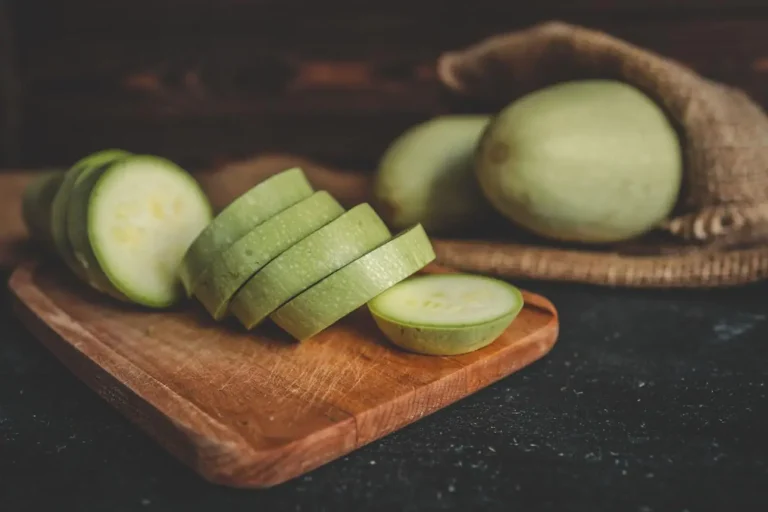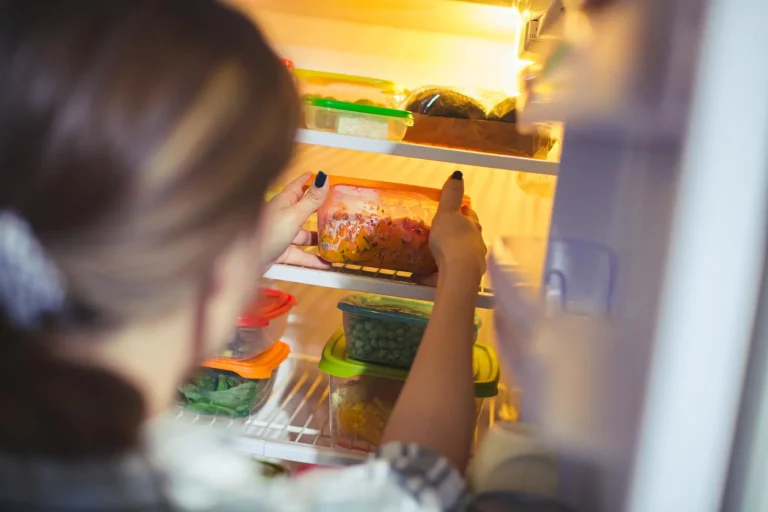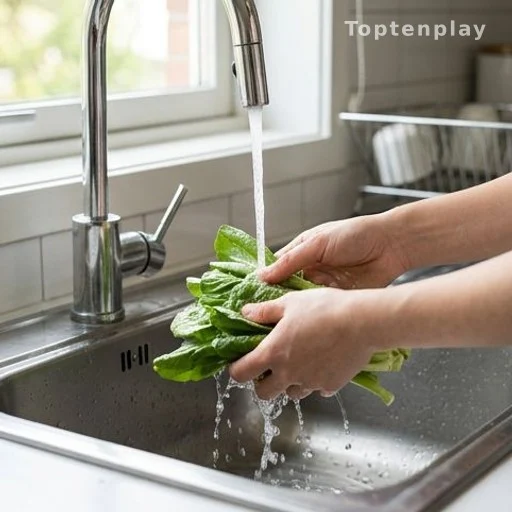
Beyond cooking, public health guidance points to a short checklist: rinse vegetables thoroughly under clean running water; peel outer layers where possible; soak in clean water before cooking; avoid produce harvested from visibly polluted ponds or waterways; and purchase from reputable suppliers who follow food safety standards.
Certain groups should be especially attentive to these steps. Pregnant women, young children, older adults, and people receiving immunosuppressive therapy or living with chronic illness face greater susceptibility to foodborne infections and should be particularly careful about sourcing and preparation. Aquatic vegetables also provide genuine nutritional value — fiber, vitamin C, potassium, antioxidants, and beneficial plant compounds — making safe preparation a better answer than avoidance.
No major health authority has issued a specific updated advisory on aquatic vegetables in connection with the viral claims currently circulating. The open question for researchers is whether growing urbanisation and changing agricultural water management in parts of Asia will alter contamination patterns in coming years. For consumers, the immediate practical issue is whether food safety labelling and market regulation keep pace with demand for fresh aquatic produce in regions where it is a dietary staple.
Suggested Posts

AI financial advice: biased, inconsistent and sometimes just wrong
Artificial intelligence tools give personal finance advice that can be inaccurate, inconsistent and demographically biased — and the results vary significantly depending on which…