📌 Purslane: this “weed” contains more omega-3 than some fish and is used in salads, infusions, or skin care
Posted 22 January 2026 by: Admin
Purslane: The Little-Known Plant With 22 Nutritional Virtues
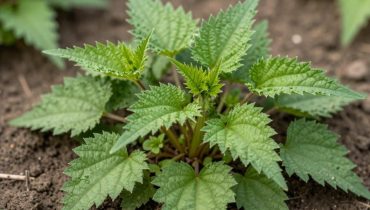
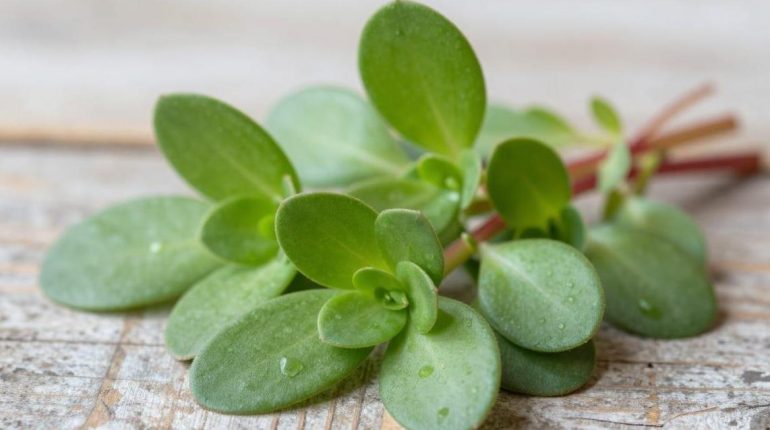
Purslane (Portulaca oleracea) grows freely in gardens, fields, and along roadsides. For decades, gardeners and farmers have pulled it out unceremoniously, considering it a simple invasive weed. Yet, this humble plant hides a nutritional richness that rivals the most prized superfoods on the market.
Used since antiquity in Asia, Africa, and the Americas, purslane was a staple in traditional diets and served as support for ancestral wellness practices. Modern nutritional research has revealed what ancient cultures intuitively knew: this discreet plant contains more plant-based omega-3 fatty acids than most edible plants, an exceptional concentration that defies all expectations.
Its composition impresses with its density. Purslane concentrates powerful antioxidants, vitamins A, C, and E in significant quantities, as well as a complete mineral cocktail including iron, magnesium, potassium, and calcium. This nutritional synergy explains why scientists are now taking a serious interest in this long-neglected plant.
Far from exaggerated promises, purslane positions itself as a nutritional support plant that integrates naturally into a balanced diet. Its unique profile makes it a valuable ally for those seeking a preventive and moderate approach to well-being, based on bioavailable nutrients rather than artificial supplements.
Modes Of Consumption: From Infusion To Plate
This nutritional richness translates concretely into four distinct preparation methods, each exploiting specific properties of purslane.
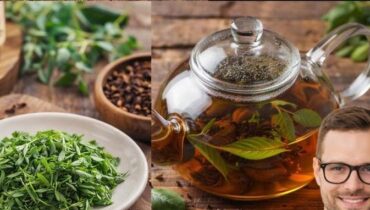
The traditional infusion is the most accessible form. It is obtained by simmering a cup of fresh leaves and stems in two cups of water for five minutes, then letting it steep for an additional ten minutes covered. This gentle preparation, consumed in the morning for digestive comfort or in the evening for relaxation, preserves the active compounds without excessive thermal alteration. The optional addition of honey or lemon adjusts the plant’s slightly tangy taste.
In raw salads, purslane reveals its crunchy and juicy texture. Combined with tomatoes and cucumbers, it provides hydration, fiber, and intact phytonutrients, which are particularly heat-sensitive. This direct consumption maximizes the intake of vitamin C and antioxidants.
The detox smoothie combines purslane, cucumber, and pineapple for a refreshing drink popular during hot periods. The mixture facilitates nutrient absorption while subtly masking the pronounced plant taste.
Finally, topical application transforms crushed fresh leaves into a soothing poultice. Placed on minor skin irritations or insect bites, this ancestral process exploits the emollient properties of the plant mucilage. Prolonged maceration in olive oil also creates a massage oil for tired joints.
These varied uses allow purslane to be integrated according to individual needs, from daily diet to occasional external care.
22 Documented Traditional And Nutritional Benefits
This versatility of use is explained by a spectrum of properties that extends far beyond simple basic nutrition.
Purslane’s lipid profile, dominated by omega-3 fatty acids in the form of plant-based EPA, supports cardiovascular health and helps reduce joint inflammation. This characteristic radically distinguishes it from classic vegetables, which are generally poor in this family of lipids. Vitamins A, C, and E form an antioxidant trio protecting cells from oxidative stress, while magnesium and potassium participate in blood pressure regulation.
Traditional observations attribute a moderating effect on blood sugar to purslane when it accompanies meals, a property consistent with its fiber and bioactive compound content. Its gentle diuretic action promotes water elimination without a harsh effect, while the mucilage contained in its stems delicately coats the digestive mucous membranes, soothing minor irritations.
The complete list encompasses twenty-two appreciated benefits: from immune strengthening to eye protection, from bone support thanks to calcium to energy contribution via iron. These properties are part of a preventive rather than curative logic, with purslane acting as a dense nutritional supplement rather than an isolated remedy.
This concentration of active compounds in such a common plant raises a question: how do such documented benefits translate concretely into the daily experience of users?
Concrete Testimonials And Precautions For Use
This theoretical nutritional density finds its most tangible validation in the feedback from those who have integrated purslane into their routine.
A 52-year-old woman, facing recurring joint discomfort, consumed a purslane infusion daily for six weeks. She describes a notable improvement in the mobility of her knees and a decrease in morning stiffness. A young adult being monitored for type 2 diabetes incorporated raw purslane into his salads three times weekly: his fasting blood sugar readings stabilized in a more favorable range, in addition to overall dietary adjustments. In rural Mexican communities, applying crushed leaves to minor abrasions remains a common practice, with users reporting accelerated healing compared to wounds left untreated.
These testimonials, while representative of individual experiences rather than clinical evidence, illustrate the possible concrete uses. They must, however, be accompanied by vigilance: purslane’s natural oxalate content requires moderate consumption in people prone to kidney stones. Pregnant women should consult a healthcare professional before any regular use. Overconsumption can cause digestive discomfort.
Purslane remains a supportive plant food, not a therapeutic substitute. Its ease of access and nutritional richness make it a discreet but effective ally for those who know how to integrate it with discernment into a balanced lifestyle.