Les veines violettes sur les jambes ne sont pas seulement un souci esthétique : elles peuvent aussi annoncer des troubles circulatoires plus graves. Comprendre leurs origines, reconnaître les premiers signes et adopter les bons gestes permet d’agir à temps et d’éviter des complications sérieuses.
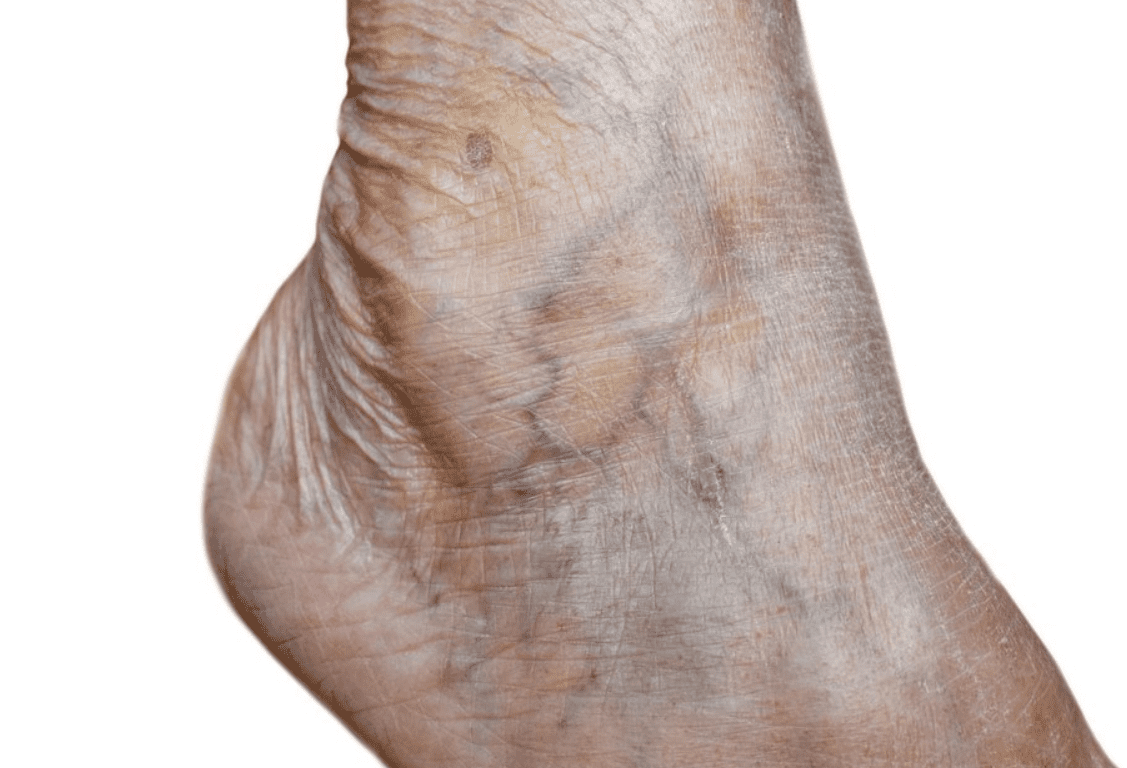
Purple veins on the legs are fairly common, particularly among older adults or people whose professions involve long hours of sitting or standing. Initially, they affect mostly appearance without major discomfort. With time, however, they may become a genuine health concern. This guide explains the main causes, symptoms, treatments, and preventive strategies.
Common Causes of Purple Veins on Legs
Several factors contribute to the appearance of purple veins, ranging from inherited traits to daily habits and medical conditions:
Genetics: Family history is one of the strongest predictors. If relatives are affected, the risk increases significantly. Researchers have identified specific genes tied to fragile vein walls that can be transmitted across generations.
Sedentary lifestyle: Remaining seated or standing too long restricts circulation, encouraging blood to pool and putting extra pressure on vein walls. Over time, this weakens the vessels and causes visible purple veins.
Excess weight: Obesity adds stress to the venous system. The more the body weighs, the harder veins must work to return blood to the heart, leading to valve weakness and the appearance of purple veins.
Could Purple Veins Be a Sign of Disease?
Besides lifestyle and genetic factors, purple veins can sometimes indicate hidden medical issues:
Chronic venous insufficiency: When valves malfunction, blood stagnates in the veins, making them swell and take on a bluish-purple color.
Arterial blockages: Circulatory disturbances can contribute to vein discoloration.
Trauma: Injuries to the leg may temporarily trigger purple veins.
Cardiovascular disease: In some cases, they appear along with chest pain or shortness of breath.
Type 2 diabetes: This condition weakens vessel walls and can lead to dilated, purple veins.
Ignoring these signs can lead to complications such as venous ulcers, phlebitis, or even deep vein thrombosis. Early medical attention is therefore essential.
Early Symptoms of Purple Veins on Legs
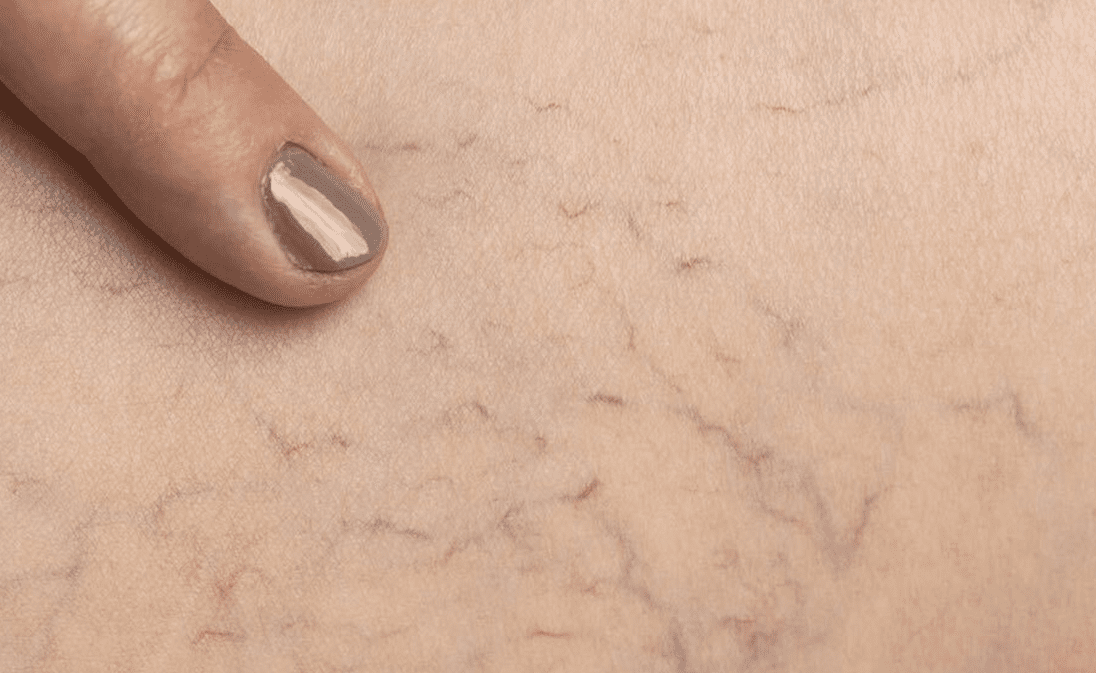
Identifying purple veins early helps to prevent aggravation:
Early stage: Small blue or purple lines appear beneath the skin, usually discreet and painless. Often noticed after sitting or standing for too long, they may go unnoticed by the person affected.
Advanced stage: Veins enlarge, darken, and become raised. Heaviness, cramps, swelling, or burning sensations in the legs are common, particularly after long hours of immobility or at the end of the day.
Prevention and Management of Purple Veins on Legs
Lifestyle adjustments can significantly reduce the risk or slow the progression:
Maintain a healthy weight: Adopting a safe weight-loss program helps relieve venous pressure.
Exercise regularly: At least 30 minutes of daily activity strengthens leg muscles and supports circulation.
Alternate work and rest: Give your legs breaks if your job requires prolonged standing.
Compression stockings: These provide gentle pressure, boosting blood flow and reducing pooling.
Limit high heels: Frequent use increases venous strain; avoid long hours in them when possible.
Purple veins may begin as a cosmetic inconvenience, but they can also be **a visible warning of more serious conditions**. Even small, painless veins deserve attention. If abnormal veins appear alongside other troubling symptoms, consulting a healthcare professional is the safest step for timely diagnosis and treatment.