Suivez-nous
28 May 2026

Powassan disease: this tick-borne infection kills 10% of patients and leaves neurological sequelae in half of survivors

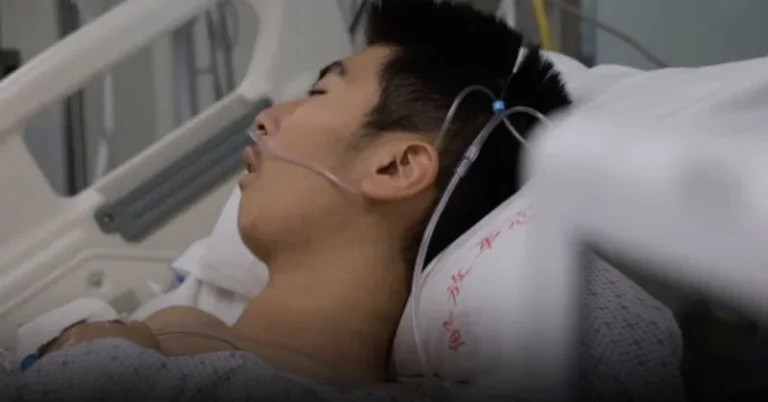
Illustration image © TopTenPlay
Symbolbild © TopTenPlay

Publicité

Medical Alert: When a Simple Bite Becomes a Vital Emergency

A sudden high fever accompanied by severe headaches, confusion, nausea, and vomiting after a tick bite should never be taken lightly. These symptoms are warning signs indicating an absolute medical emergency, far beyond the classic manifestations of Lyme disease.

Unlike Lyme, which generally develops over several days with a characteristic bullseye rash, some tick-borne infections cause a sudden neurological decline. The difference is crucial: on one side, a slow progression allowing time to act; on the other, a rapid collapse requiring immediate emergency intervention.

Medical experts insist on this vital distinction. When a person simultaneously presents a high body temperature and a rapid deterioration of neurological functions—mental confusion, speech difficulties, sudden weakness—every minute counts. These signs indicate that the infection has reached the central nervous system, a potentially fatal complication.

Publicité

The window for therapeutic intervention is measured in hours, not days. Ignoring these symptoms or waiting for them to improve spontaneously can have irreversible consequences, ranging from permanent neurological sequelae to death. Faced with this combination of clinical signs, immediate hospital consultation remains the only appropriate response.

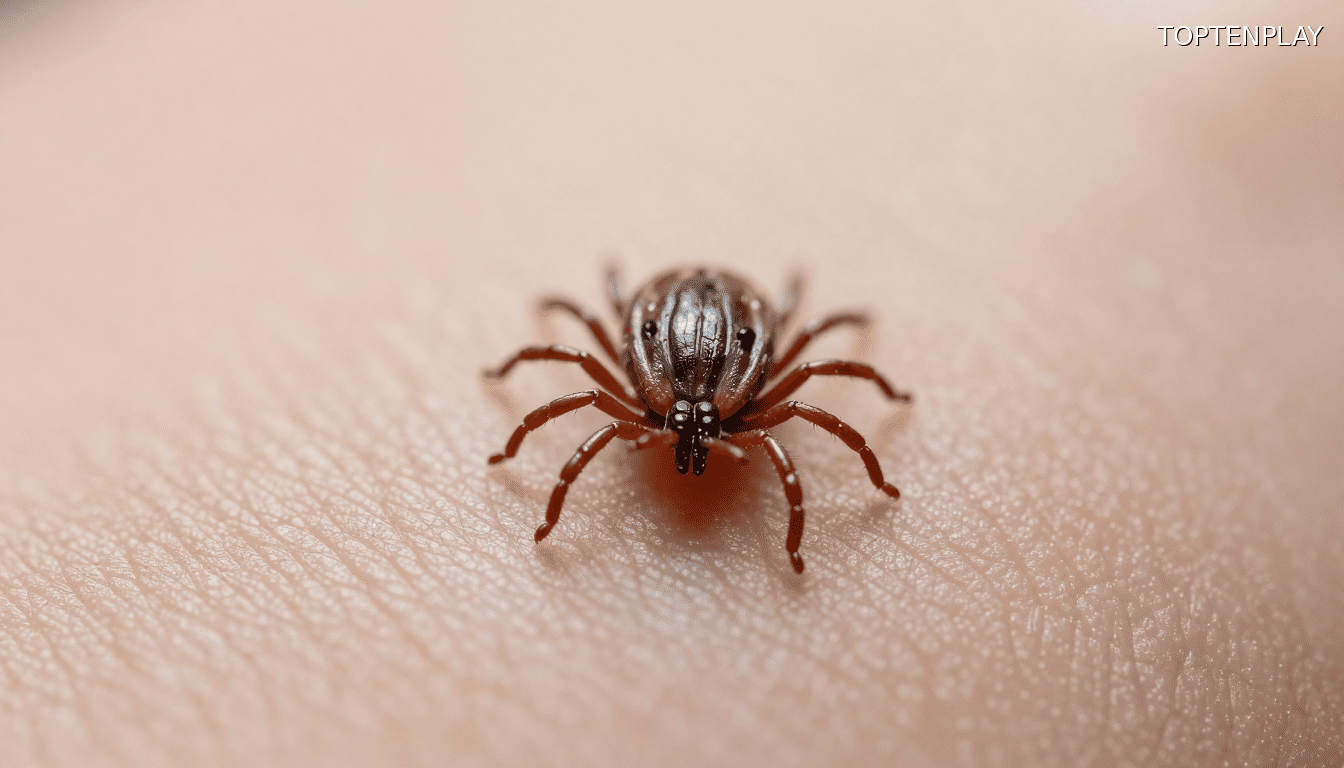
Illustration image © TopTenPlay
Symbolbild © TopTenPlay

Powassan Virus: The Silent Killer Transmitted By Ticks

Among the most fearsome threats is the Powassan virus, transmitted by the same black-legged ticks responsible for Lyme disease. This rare but devastating pathology has a worrying peculiarity: symptoms can emerge between a week and a month after the bite, leaving few clues about the origin of the infection.

The Powassan virus directly attacks the central nervous system, causing encephalitis—inflammation of the brain—accompanied by seizures and severe neurological disorders. The rise in temperature is accompanied by intense headaches, vomiting, and generalized weakness. Unlike bacterial infections, no specific treatment exists for this virus. Doctors can only offer supportive care: intravenous fluids to maintain hydration, respiratory assistance if necessary, and constant monitoring of vital functions.

Publicité

Statistics reveal the severity of this infection: 10% of patients succumb despite intensive care. For survivors, the battle does not end there. Half of them retain permanent neurological sequelae—memory disorders, motor difficulties, personality changes—which permanently disrupt their lives.

This threat, little known to the general public, is nonetheless a documented clinical reality. Health professionals warn of the importance of considering Powassan in any diagnosis involving rapid neurological deterioration after tick exposure, particularly in regions where these mites proliferate.

Illustration image © TopTenPlay
Symbolbild © TopTenPlay

Rocky Mountain Spotted Fever: The Other Deadly Danger

Beyond the Powassan virus, a second pathology requires the same vigilance: Rocky Mountain spotted fever. This tick-borne bacterial infection presents remarkably similar clinical manifestations—sudden fever, violent headaches, nausea—making differential diagnosis crucial but complex.

Publicité

The pathogen Rickettsia rickettsii spreads through the body at an alarming rate. Without appropriate antibiotic treatment in the first few days, the bacteria invade the blood vessels, causing a cascade of potentially fatal complications: kidney failure, respiratory distress, irreversible brain damage. The name of the disease comes from the characteristic rash—purple spots due to subcutaneous hemorrhages—which, however, only appears in 60% of patients, sometimes too late to guide the diagnosis.

Publicité
Partager sur Facebook