📌 Portuguese linguica and cabbage soup: how this traditional preservation dish transforms simple ingredients into family comfort
Posted 19 January 2026 by: Admin
Portuguese Culinary Heritage: When Soup Becomes a Tradition
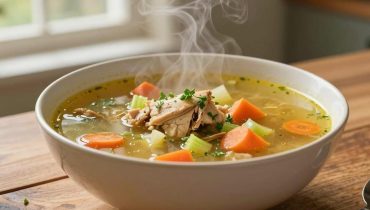
In Portugal, soup is not just a simple prelude to a meal. It is an institution, often served as a main course, especially during the cold months. This culinary philosophy finds its most authentic expression in linguica-cabbage soup, a dish whose roots dive deep into the country’s popular history.
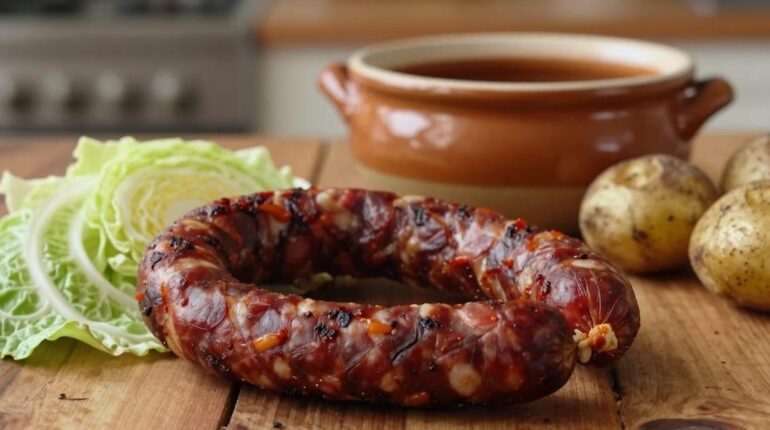
Linguica itself embodies centuries of expertise. This pork sausage seasoned with paprika, garlic, and sometimes wine, was born from a vital necessity: preserving meat before the era of refrigeration. Smoking extended its shelf life while giving it that rich, smoky flavor that distinguishes it today. What was once a survival technique has become a flavor signature passed down through generations.
The pairing with cabbage is not accidental. An affordable vegetable cultivated in Europe for millennia, cabbage stood out as an accessible ingredient for modest families. Its association with linguica created a nourishing meal with minimal means, transforming simple ingredients into a comforting dish capable of satiating an entire household.
This natural evolution reflects the very essence of Portuguese cuisine: transforming frugality into culinary art. Even today, this soup transcends eras without losing its soul, proof that a well-anchored heritage resists passing fashions.
Decoding the Ingredients: The Science of a Simple Recipe
This apparent simplicity hides a meticulously orchestrated flavor architecture. Each component fulfills a precise function in the final balance of the dish.
Authentic linguica constitutes the aromatic backbone. The pork seasoned with paprika and garlic releases its spices directly into the broth during cooking, creating a smoky base that permeates every spoonful. Some variants incorporate wine into the sausage, adding a subtle acidic depth.
The cabbage-potato-broth trio forms the structural balance. Traditional green cabbage gradually softens, developing a natural sweetness that counterbalances the power of the sausage. Potatoes play a dual role: they absorb surrounding flavors while releasing their starch, naturally thickening the liquid without resorting to artificial binders.
Aromatics build the depth. Sautéed onions and garlic form the fundamental layer of aromas, while bay leaves infuse a discreet but essential earthy note. This stratification creates a complexity that transcends the sum of its parts.
The final olive oil is not a decorative detail. Added at the moment of serving, it enriches the mouthfeel and binds the dispersed flavors. This ultimate gesture transforms a rustic broth into a velvety experience, revealing how a millennial Portuguese technique elevates modest ingredients to the rank of culinary reference.
The Mastered Recipe: Techniques and Secrets of Preparation
The success of this dish relies less on the ingredients than on the order and manner of processing them. A precise sequence transforms ordinary components into a coherent creation.
The initial browning of the linguica constitutes the founding step. Heating the sliced sausage in a pot over medium heat releases its essential oils loaded with paprika and garlic, creating a fatty base that will serve as an aromatic vehicle for all subsequent elements. Temporarily removing the sausage then allows onions and garlic to be seared in these same flavored fats, a technique many neglect by adding everything simultaneously.
Staggered cooking guarantees optimal textures. The potatoes join the simmering broth first, requiring 10-12 minutes to reach their cooking point. The cabbage only enters the scene afterward, its 15 minutes of simmering being enough to soften it without turning it into tasteless mush.
The distinction between simmering and boiling determines the final clarity. Aggressive boiling emulsifies fats and clouds the liquid, while a gentle simmer preserves the transparency of the broth and prevents the disintegration of the vegetables. Bubbles should barely break the surface.
The resting time before serving intensifies the integration of flavors. These 10-15 minutes off the heat allow aromatic molecules to stabilize and temperatures to harmonize. What the Portuguese call “letting it rest” transforms an assembly of ingredients into a unified dish, revealing how patience rivals pure technique.
Beyond the Recipe: Variations, Benefits, and Family Traditions
This soup lends itself to regional interpretations that enrich its nutritional dimension without betraying its essence. The addition of cannellini beans or rice transforms the dish into a complete meal, particularly prized in rural areas where caloric density was paramount. Some families integrate barley to thicken the broth, creating an almost creamy texture without dairy products.
Nutritional benefits justify its centuries-old popularity. Cabbage provides vitamin C and potassium, potatoes provide complex carbohydrates, while linguica delivers protein and iron. The finishing olive oil introduces monounsaturated fats promoting cardiovascular health. Even the sodium content of the sausage finds its counterpoint in fiber-rich vegetables that facilitate digestion.
In Portugal, these soups go beyond their dietary function to become a social ritual. Sunday gatherings revolve around steaming pots where three generations mingle. Sharing this soup symbolizes hospitality and family continuity, each spoon carrying decades of oral transmission.
Common mistakes compromise this flavor heritage: overcooking the cabbage until it becomes pasty, choosing a bland industrial sausage, or neglecting the aromatics that build depth. Respecting the technical sequence and the quality of ingredients distinguishes a functional soup from a memorable experience, one that encourages filling your bowl a second time.