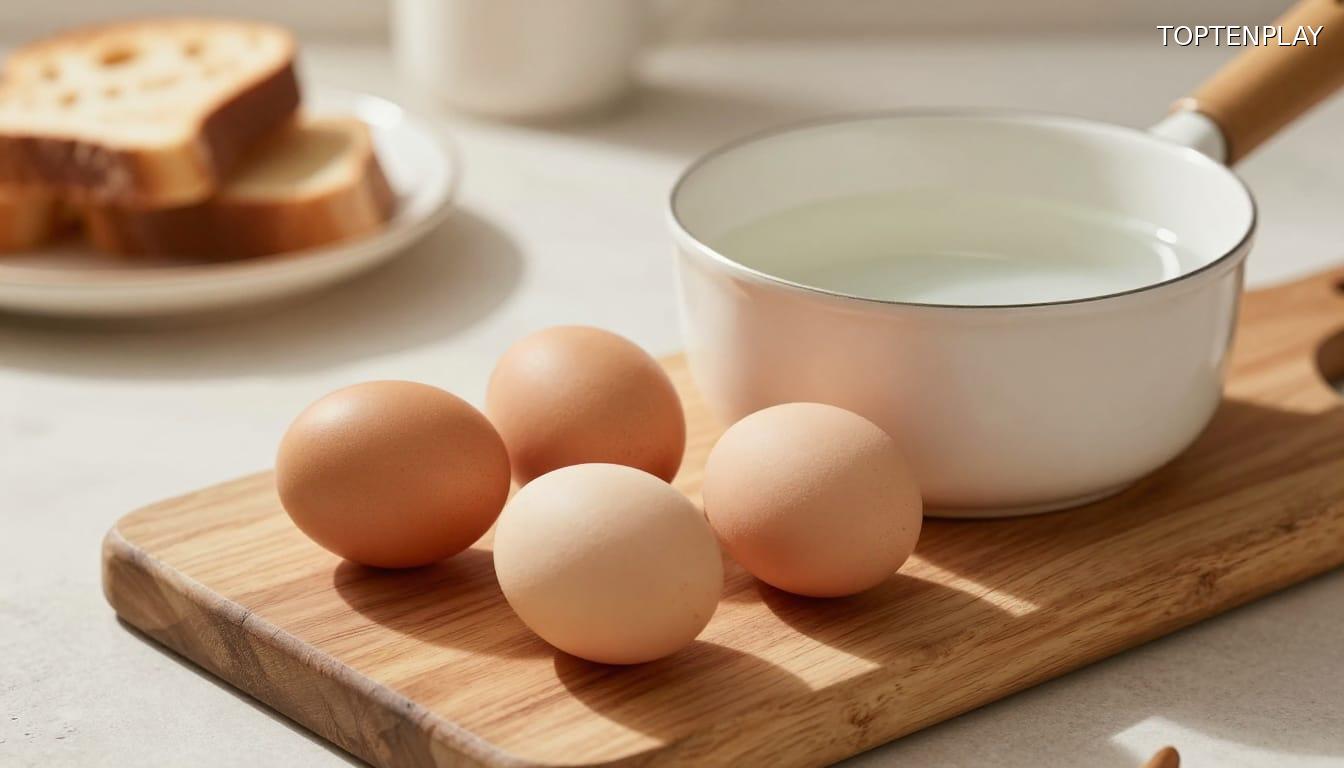
The Promise Of The Perfect Poached Egg: Between Myth And Culinary Reality
You can imagine it perfectly: that silky white enveloping a golden yolk that flows like liquid sunshine over your buttered toast, your smashed avocado, or your favorite grain bowl. A moment of culinary grace within reach of a saucepan.
Then comes reality. Your last attempt looked more like egg confetti soup. Broken yolks, whites trailing off in messy filaments, cloudy water dotted with floating debris. The universal failure that transforms a promising breakfast into a morning disaster.
This frustration is not inevitable. Poaching an egg is not difficult, contrary to what your past experiences suggest. The technique requires neither sophisticated equipment, nor aggressive vortexes in the water, nor even those approximate guesses that lead to disaster. After years of unsuccessful attempts and too many wasted mornings, the solution emerges with disconcerting clarity.
The truth lies in a few words: no vinegar, no vortexes, no strainers. Just water, fresh eggs, and a gentle method that anyone can master, even on a sleepy Sunday morning. This promise is not abstract. It consistently produces eggs with a compact and elegant shape, tender and intact whites, and a yolk that flows exactly as it should.
What seemed magical becomes reproducible. What seemed reserved for chefs becomes accessible to all.
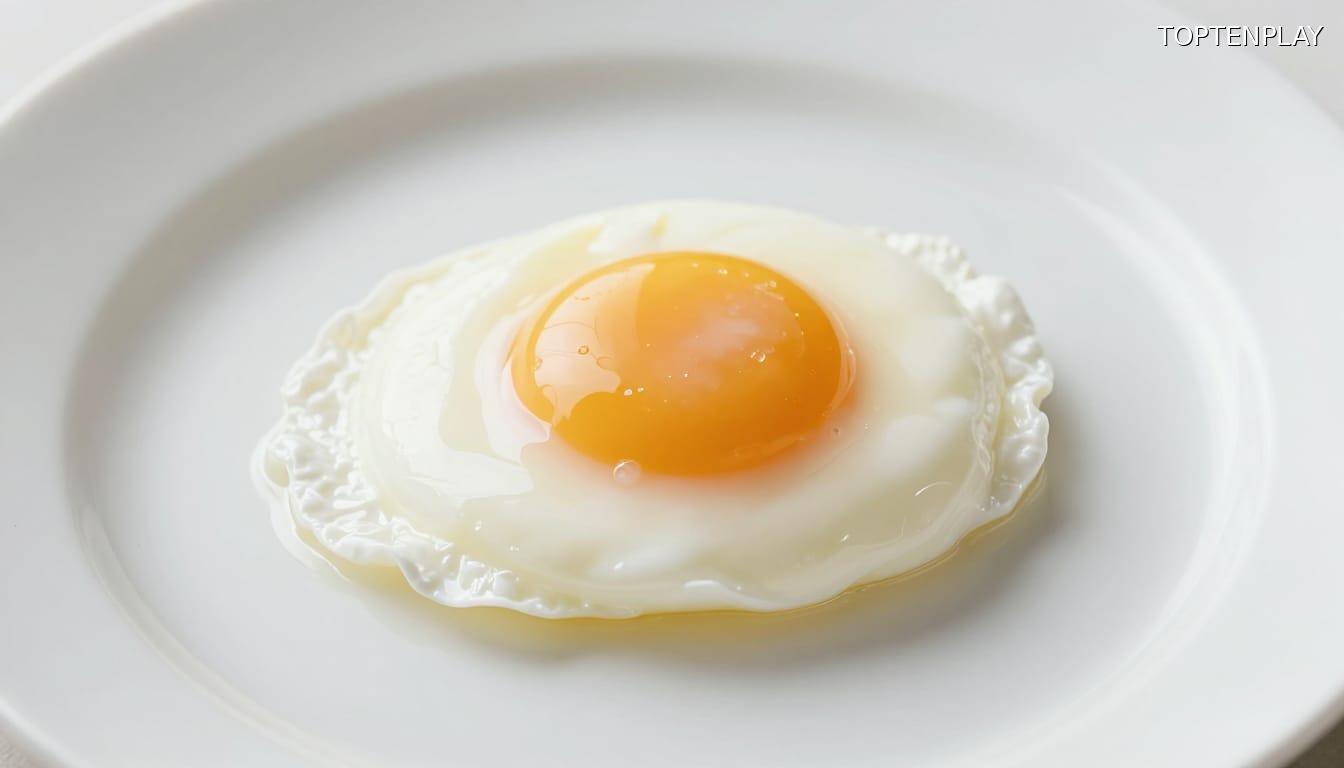
Anatomy Of A Successful Poached Egg: The Criteria For Perfection
This promised accessibility rests on precise criteria. A perfect poached egg is recognized by four indisputable characteristics.
First, the firm but tender whites, without those rubbery edges that betray overcooking, or those unsightly filaments floating in the water. Then the yolk, centered and intact, warm and perfectly runny. Its velvety texture is released at the first contact of the fork, coating the plate with an incomparable natural sauce.
The shape matters as much as the texture. A successful egg evokes a small edible cloud, compact and neat, far from those shapeless masses that spread limply on the plate. The cooking water itself testifies to mastery: it remains clean and clear, without that whitish scum that usually signals failure.
The secret does not lie in the speed of execution. It consists of three fundamental elements: gentle heat, fresh eggs, and patience. This trilogy advantageously replaces aggressive techniques that promise quick results but invariably produce disasters.
The freshness of the eggs guarantees the natural cohesion of the whites. Controlled heat avoids dispersion. Patience transforms what might look like guesswork into true reproducible expertise. These simple principles are enough to shift from myth to reality, from frustration to daily mastery.
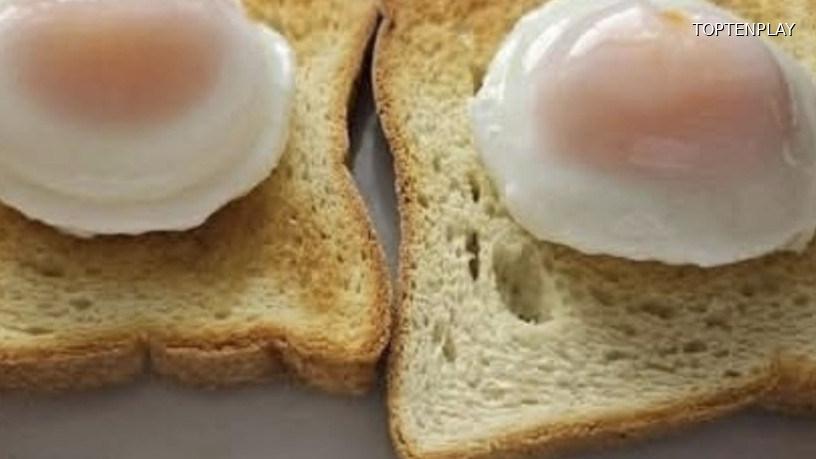
The Three Pillars Of Technical Success
These simple principles deserve a methodological deconstruction. Each of the three pillars addresses a specific failure that usually turns the attempt into a fiasco.
Gentle heat constitutes the absolute foundation. The water must never boil violently. A light simmer is enough. Overly aggressive bubbles fragment the white before it coagulates, creating those unsightly filaments that float on the surface. The ideal temperature keeps the water between a murmur and silence, just hot enough to cook without brutalizing.
The freshness of the eggs then determines the natural cohesion of the whites. An aged egg has a liquid white that disperses instantly upon contact with water. A fresh egg has a viscous white that stays grouped around the yolk, forming that sought-after compact structure. This simple chemical difference explains why two identical actions produce opposite results.
Finally, patience, the cardinal virtue against haste. Resisting the urge to stir, check, or manipulate prematurely. Letting the heat work without intervention allows the white to set harmoniously around the yolk. Three to four minutes are enough, provided the process is not disturbed.
Mastery, therefore, does not rely on the aggressiveness of the gesture but on the calculated gentleness of the cooking. This methodical approach transforms hazardous empiricism into accessible science, reproducible even on a sleepy Sunday morning.
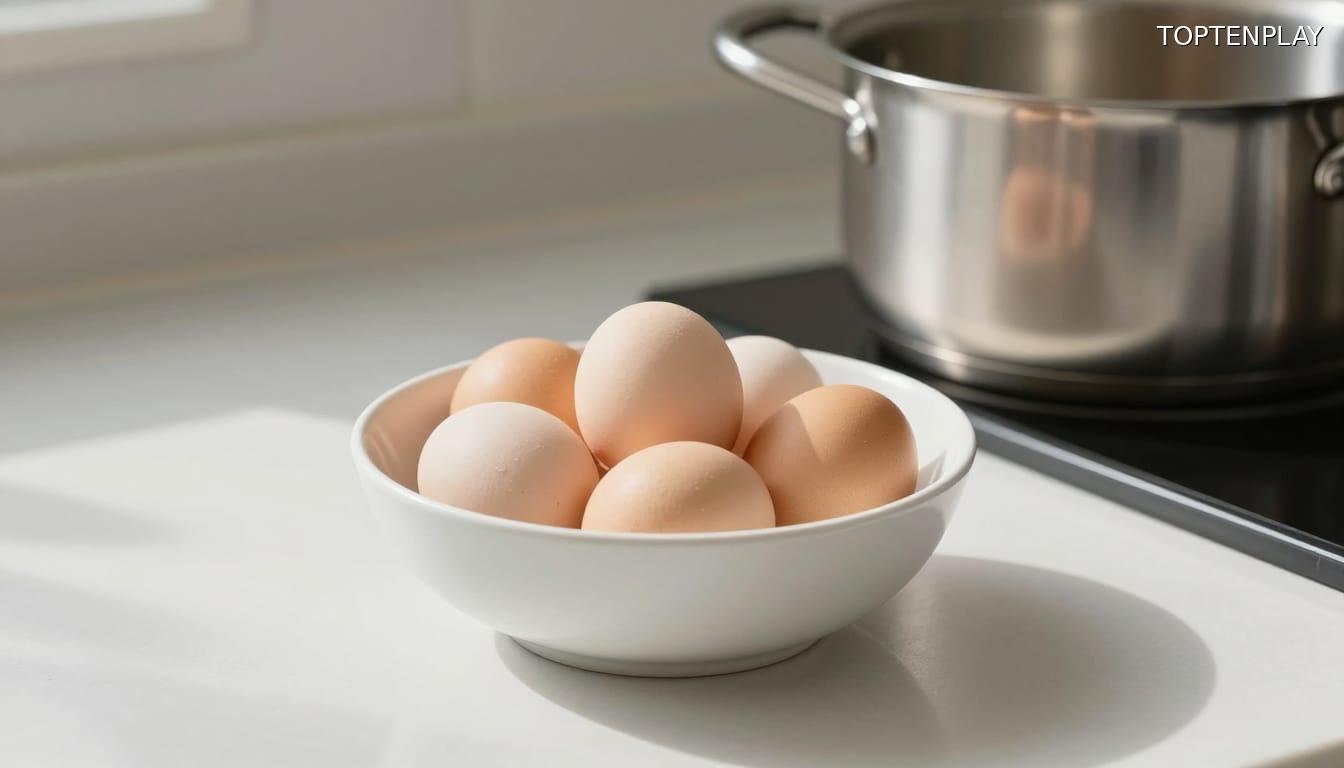
Preparation And Equipment: Simplicity As A Philosophy
This technical excellence requires no sophisticated investment. The equipment is reduced to the absolute essential, accessible in any ordinary kitchen.
A saucepan deep enough to accommodate the egg without it touching the bottom. A standard container will do. The water must reach at least seven centimeters in height, allowing the egg to float freely during the coagulation of the whites.
Extra-fresh eggs, ideally bought the same day or kept for less than three days in the refrigerator. This freshness guarantees the viscosity of the white which maintains the desired compact shape. No additives come into play: no vinegar to artificially firm the proteins, nor salt to densify the water.
A slotted spoon or simple perforated spoon to delicately retrieve the egg once cooked. The most basic tool is enough, provided it allows excess water to drain without breaking the fragile structure of the barely set white.
Finally, a timer, to precisely respect the cooking time without giving in to approximation. Three to four timed minutes separate creamy perfection from a yolk that is too firm.
This minimalist list proves that culinary excellence requires no expensive gadgets. Just quality ingredients and the methodological rigor that transforms a simple gesture into a mastered result. The technique itself rests on this same economy of means.