📌 Phyllanthus niruri: how this garden plant naturally supports kidneys, liver, and blood sugar
Posted 28 January 2026 by: Admin
The “Stone Breaker”: Ancestral Origins Of A Little-Known Plant
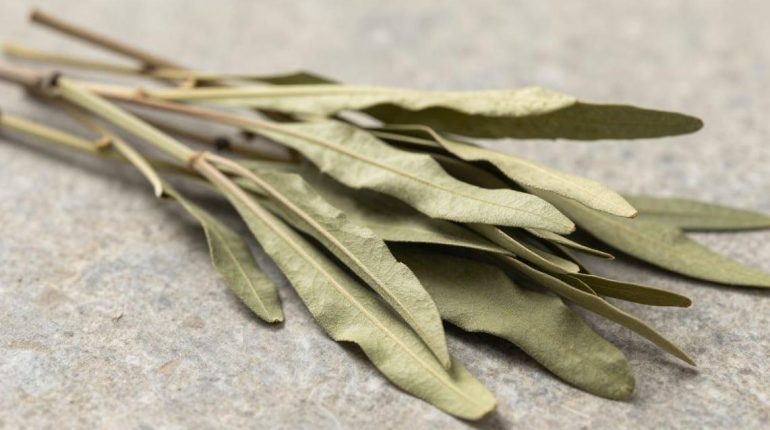
Some plants cross centuries without making a sound. Phyllanthus niruri is one of them. Discreet in appearance—barely 30 to 40 centimeters tall, with delicate leaves and tiny flowers—it nevertheless hides a therapeutic wealth that three major medical systems identified long before modern science.
Indian Ayurveda, traditional Chinese medicine, and indigenous practices of South America have integrated it into their respective pharmacopoeias, recognizing a precious ally in this herb from the Euphorbiaceae family. Its most evocative nickname? Chanca Piedra, literally “stone breaker” in Spanish—a designation that reveals its traditional use for supporting the kidneys and managing urinary stones.
What is striking about Phyllanthus niruri is its dense biochemical profile: lignans, flavonoids, alkaloids, and tannins are concentrated in its stems, leaves, and roots. These natural compounds, now explored by modern research, could explain its antioxidant and anti-inflammatory properties documented in early studies.
For generations, this plant has been prepared as an infusion, powder, or decoction—always with a holistic approach, considering the whole plant rather than a single isolated active principle. This ancestral vision now meets a growing demand for plant-based solutions that are gentle and respectful of the body’s natural balances.
Detoxifying Power: Hepatic And Renal Support In A Toxic World
This ancestral ability to “break the stone” takes on full meaning when observing the dual action of Phyllanthus niruri on two essential detoxification organs: the liver and the kidneys.
The liver daily processes food additives, alcohol residues, medications, and environmental pollutants. The compounds phyllanthin and hypophyllanthin, naturally present in the plant, have shown in preliminary studies their potential to support liver function and help the body manage oxidative stress. Rather than aggressive detoxification, this plant accompanies natural elimination pathways without forcing the process.
On the renal side, traditional use to encourage healthy urinary flow and manage mineral balance finds an echo in recent research. Several human and laboratory studies suggest that regular use of Chanca Piedra could reduce the recurrence of kidney stones—a benefit that explains its millennial reputation as a “stone breaker.”
What distinguishes this approach is its gentleness: no brutal action on the organs, but progressive support for natural detoxification mechanisms. For those who feel a toxic overload related to modern lifestyle, this plant represents a discreet but constant plant companion.
Faced with the inevitable exposures of daily life, it offers a response rooted in centuries of empirical observation—now validated by research that is only beginning to reveal its mechanisms.
Metabolic Regulation: From The Heart To Blood Sugar
Beyond its detoxifying action, Phyllanthus niruri also deploys its benefits on global metabolic balance—from the cardiovascular system to blood sugar regulation.
Traditional systems already valued this plant for supporting cardiovascular health. Today, research models suggest it could promote healthy vascular function and contribute to blood pressure balance. Its natural antioxidants act by protecting vascular tissues against oxidative stress—that silent wear and tear that affects circulation over time. For those seeking non-aggressive plant support, this gentle approach is of particular interest.
Regarding blood sugar, early scientific work reveals a promising path: the plant could improve insulin sensitivity and protect pancreatic cells, while mitigating sudden glycemic peaks after meals. These effects, although still under study, suggest a potential role in preventing metabolic imbalances related to modern lifestyle.
This dual action—cardiovascular and metabolic—illustrates the holistic nature of Chanca Piedra. Rather than a targeted action on a single symptom, it proposes a global rebalancing, as if the plant were “speaking” simultaneously to several body systems.
It remains to be seen how to concretely integrate this ancestral wisdom into a contemporary daily life, with its constraints and practical requirements.
Practical Instructions: Daily Integration And Precautions
The question now becomes concrete: how to transform this botanical discovery into an accessible ritual?
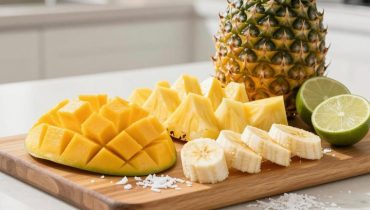
Phyllanthus niruri comes in several forms adapted to modern habits. The traditional infusion remains the most authentic: 1 to 2 cups daily of dried leaves infused in hot water. Standardized capsules offer a practical alternative, generally dosed between 400 and 600 mg of extract. The powder can enrich a green smoothie—combined with pineapple and lemon for a taste synergy. Finally, a few drops of liquid tincture in the evening create a moment of calm reconnection.
Beyond its active compounds, the plant also provides light nutritional support: vitamins A and C for immunity and skin, potassium and magnesium for heart and muscle rhythm, quercetin for its antioxidant activity. A holistic approach that nourishes without weighing down.
But this gentleness does not exclude vigilance. Pregnancy and breastfeeding are absolute contraindications. People under treatment for blood pressure or blood sugar should consult a professional before any use—interactions, though rare, remain possible. A slight digestive adjustment may occur in the first days, a sign that the body is adapting.
Start small. Observe. Let the plant work at its own pace. Chanca Piedra does not shout its effects—it installs them progressively, like a plant whisper that transforms from within.