📌 Parsnip and sweet potato wok: the steam technique that changes everything for perfectly tender vegetables
Posted 6 March 2026 by: Admin
Preparing Root Vegetables: A Mastered Technical Basis
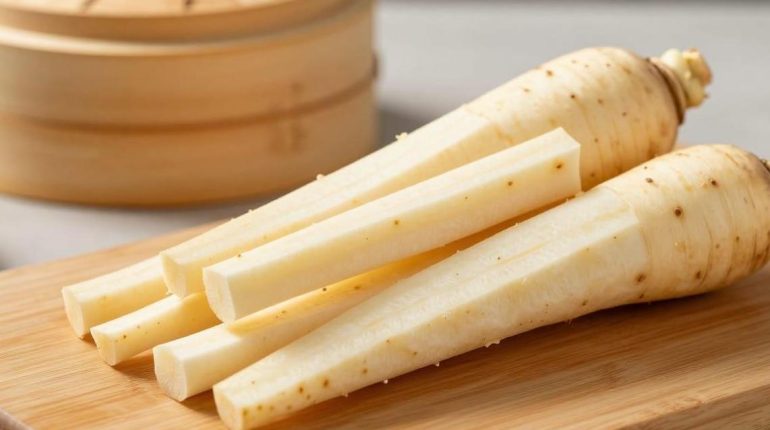
The success of a wok depends on methodical preparation, and this recipe is no exception to the rule. Cutting parsnips and sweet potatoes into “fry-style” sticks is not incidental: this elongated shape guarantees even cooking and facilitates searing in the wok. Meticulous peeling precedes this crucial step where the regularity of the cuts determines the final texture of the dish.
Steam pre-cooking for 8 to 10 minutes is the secret to a successful wok with root vegetables. This step softens the dense fibers of the parsnip and sweet potato without waterlogging them, unlike boiling. During this time, the slicing of the spring onions is done in parallel, optimizing the workflow according to professional logic.
This sequential double cooking — steam then sauté — reveals a technical approach rare in home recipes. Root vegetables, naturally firmer than traditional Asian vegetables, require this prior softening to achieve the characteristic tenderness of an authentic wok in just 5 to 7 minutes of final cooking. Without this steam step, the sauté time would increase considerably, risking burning the garlic and ginger added at the end of cooking. This methodical segmentation thus ensures a perfect balance between melting texture and preserved flavors.
Roasting Cashews: The Decisive Aromatic Step
While the vegetables rest after steaming, an operation often neglected in home recipes is required: roasting the cashews. Coarse crushing precedes their passage into a very hot pan, without fat. This dry technique, borrowed from professional Asian kitchens, releases the essential oils of the nuts and develops roasted hazelnut aromas impossible to obtain otherwise.
The intense heat of the pan causes a Maillard reaction that slightly caramelizes the natural sugars in the cashews. This process, which takes only a few minutes, transforms their soft texture into a pronounced crunch. A frequent mistake is to integrate them directly into the wok: they would soften on contact with the moisture of the vegetables, instantly losing their textural interest.
Strategically setting aside the roasted nuts guarantees their preservation until the final assembly. This temporary separation is the secret to a contrast of textures worthy of a restaurant: the melting tenderness of the caramelized root vegetables meets the crunch of freshly roasted nuts. This attention to detail distinguishes an amateur wok from a mastered preparation, where each ingredient retains its own identity while contributing to the overall harmony of the dish.
Wok Cooking: Precise Choreography And Mastered Timing
Sesame oil enters the scene in the heated wok, instantly diffusing its characteristic toasted notes. The sliced spring onions are added first, stirred regularly for 3 to 4 minutes until they release their sweet mildness without browning excessively. This aromatic base conditions the entire dish: cooking too fast would produce bitterness, too slow would dilute their flavor.
The parsnip and sweet potato sticks then join the onions for a 5 to 7-minute sauté. Pre-steamed, they no longer need to soften but to develop a slight caramelization on the surface. Regular stirring ensures uniform contact with the burning bottom of the wok, creating those golden zones that bring depth of flavor without drying out the vegetables.
Pressed garlic and grated ginger are incorporated at the very end, directly onto the hot vegetables. This late integration preserves their aromatic power: a few seconds of contact with the heat are enough to release their volatile compounds without burning them. Timing is crucial: adding these elements too early would produce a harsh bitterness, too late would leave them raw. This precise sequence guarantees tender vegetables coated in a natural sauce formed by the cooking juices, oil, and freshly infused aromatics.
Final Assembly: Fusion Of Asian Flavors
The degermed and pressed garlic clove is integrated directly onto the still-hot vegetables, instantly releasing its sulfur compounds without developing the harshness of prolonged cooking. Ginger grated at the last moment joins this aromatic base, deploying its pungent and lemony notes that characterize the authenticity of an Asian wok. This late double incorporation transforms the cooking juices into a natural sauce coating each vegetable stick.
The roasted cashews, set aside since their time in the pan, make their entrance at this precise moment. Their crunchy texture and roasted butter aromas contrast with the melting tenderness of the parsnip and sweet potato. This play of textures – crunchy against soft, dry against coated – constitutes the signature of a successful wok, where too early an integration would have softened the nuts in the cooking steam.
Service takes place immediately, without transition or rest. This tasting without delay respects the fundamental principle of the wok: residual heat continues to diffuse the aromatics while the vegetables retain their structure without collapsing. A few minutes of pause would be enough to dilute the flavors, soften the nuts, and dull the aromatic vibrancy of the ginger. The assembly timing here reveals its full technical dimension: every second counts between the last incorporation and the first bite.