📌 Oven-roasted beef: the 30-minute technique for tender meat without monitoring
Posted 16 March 2026 by: Admin
A Quick and Accessible Traditional Dish
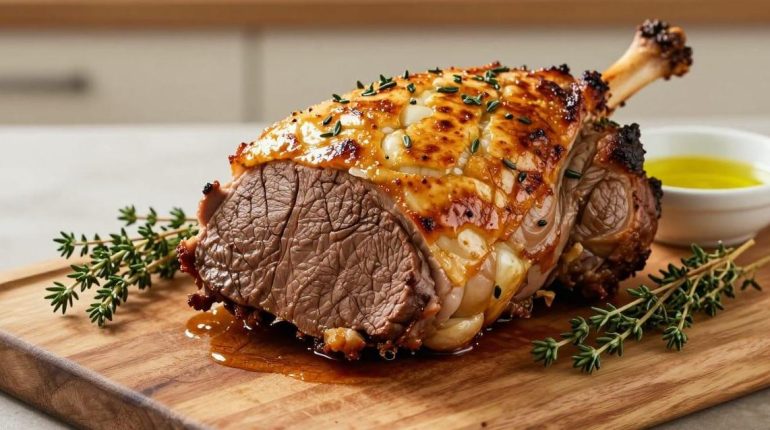
Oven-roasted beef embodies that comforting family cooking that doesn’t complicate things. Behind its appearance as a sophisticated Sunday dish lies a much simpler reality: 30 minutes flat is enough to get tender and fragrant meat, with only 6 basic ingredients from your cupboard.
Preparation takes just 5 minutes. No complex techniques, no specialized equipment. An ovenproof dish, a clove of garlic, a sprig of thyme, olive oil, and you’re done. The cooking itself doesn’t exceed 25 minutes, just enough time to set the table and prepare a simple side dish.
This total accessibility makes barded roast an ideal option even on weekdays, when time is short but the desire for a real meal persists. For 2 to 3 people, the proportions remain modest and adapt to small tables as well as solo dinners with leftovers for the next day.
The “very easy” level announced is not culinary marketing. There is no risk of making a mistake in the steps, no permanent monitoring required. The barding naturally protects the meat during the first cooking phase, eliminating the risk of drying out that so terrifies beginner cooks. The balance between simplicity of execution and gastronomic result makes this roast a classic that spans generations without aging a day.
The Two-Stage Cooking Technique
This method is based on precise thermal logic. The oven preheated to 220°C first creates a heat shock that instantly sears the surface of the meat. For 15 minutes, the barding plays its protective role while allowing the formation of a lightly caramelized crust that traps the juices inside.
Removing the barding marks the transition to the flavoring phase. The 12 cl of water poured into the dish doesn’t just serve to create a jus: it regulates the temperature, prevents the juices from burning at the bottom of the dish, and allows the steam to maintain ambient humidity around the now-bare roast.
The second cooking of 10 to 15 minutes offers total control over the final result. 10 minutes is enough for rare meat with a red and hot heart, 12 minutes gives a balanced medium-rare, while 15 minutes satisfies those who prefer it well-done. This timed flexibility eliminates all guesswork and adapts to everyone’s preferences without changing the basic recipe.
The resting stage, often neglected, proves as crucial as the cooking itself. These 5 minutes out of the oven allow the muscle fibers to relax and the juices to redistribute evenly throughout the meat. Slicing immediately would drain the meat of its moisture onto the cutting board. Waiting guarantees juicy slices that retain their aromas with every bite.
The Secrets of a Perfectly Fragrant Roast
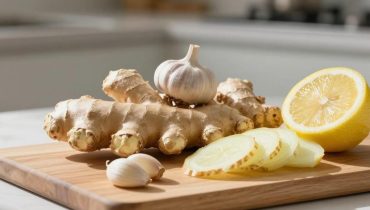
Garlic rubbed directly onto the surface of the meat releases its aromatic compounds upon contact with heat. This friction creates a first layer of flavor that penetrates the fibers from the very first minutes of cooking. The clove cut in half exposes its essential oils which cling to the meat and resist the intensity of the oven.
Thyme brings its herbaceous dimension while olive oil acts as a transmission vector for the aromas. Massaging distributes this emulsion evenly over the entire surface of the roast, creating a protective film that caramelizes without burning. This preparation step, which takes only a minute, radically transforms the final taste profile.
Regular basting with the cooking juices during the second phase maintains surface moisture while strengthening the concentration of flavors. Each spoonful of liquid recovered from the dish brings the dissolved juices back to the meat, creating a cycle of aromatic intensification. This simple gesture prevents the drying of exposed areas and amplifies the taste with each pass.
Three professional tips complete this approach. Taking the roast out of the refrigerator 15 minutes before cooking equalizes its internal temperature and guarantees even cooking. Never exceeding medium-rare cooking preserves the natural tenderness of the beef. Frequent basting during the last minutes transforms an ordinary dish into a memorable taste experience without adding a single extra ingredient.
Accompaniments and Gourmet Variations
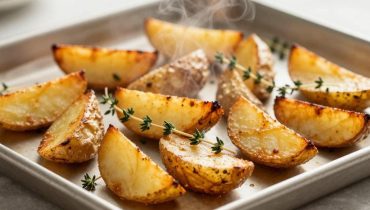
Roasted potatoes are the classic partner for this roast, their crispy texture contrasting with the tenderness of the meat. Creamy mashed potatoes absorb the cooking juices like a savory sponge, while green beans bring their vegetable freshness. Glazed carrots introduce a sweet note that balances the full-bodied character of the beef, and a simple green salad completes the plate with its acidic liveliness.
The juices collected in the dish transform into a light sauce without additional manipulation. Poured directly over the sliced portions, this concentrated nectar carries the garlic and thyme aromas developed during cooking. No reduction necessary, no artificial thickener, just the pure essence of the roast in its most authentic form.
Three variations personalize this dish according to preferences. A spoonful of mustard brushed on before cooking creates a spicy, golden crust. Adding rosemary and parsley to the initial thyme multiplies the herbal notes. A knob of butter melted into the final jus enriches the sauce with a velvety texture and extra depth.
Storage for 2 to 3 days in the refrigerator offers two tasting options. Thinly sliced and slipped between two pieces of bread, the cold roast becomes a refined sandwich for lunch. Gently reheated with its juices, it regains its comforting warmth without losing its tenderness. With 260 calories and 30 grams of protein per serving, this dish combines indulgence and nutritional balance to satisfy all appetites.