Oregano: The Compounds That Make It an Exceptional Plant
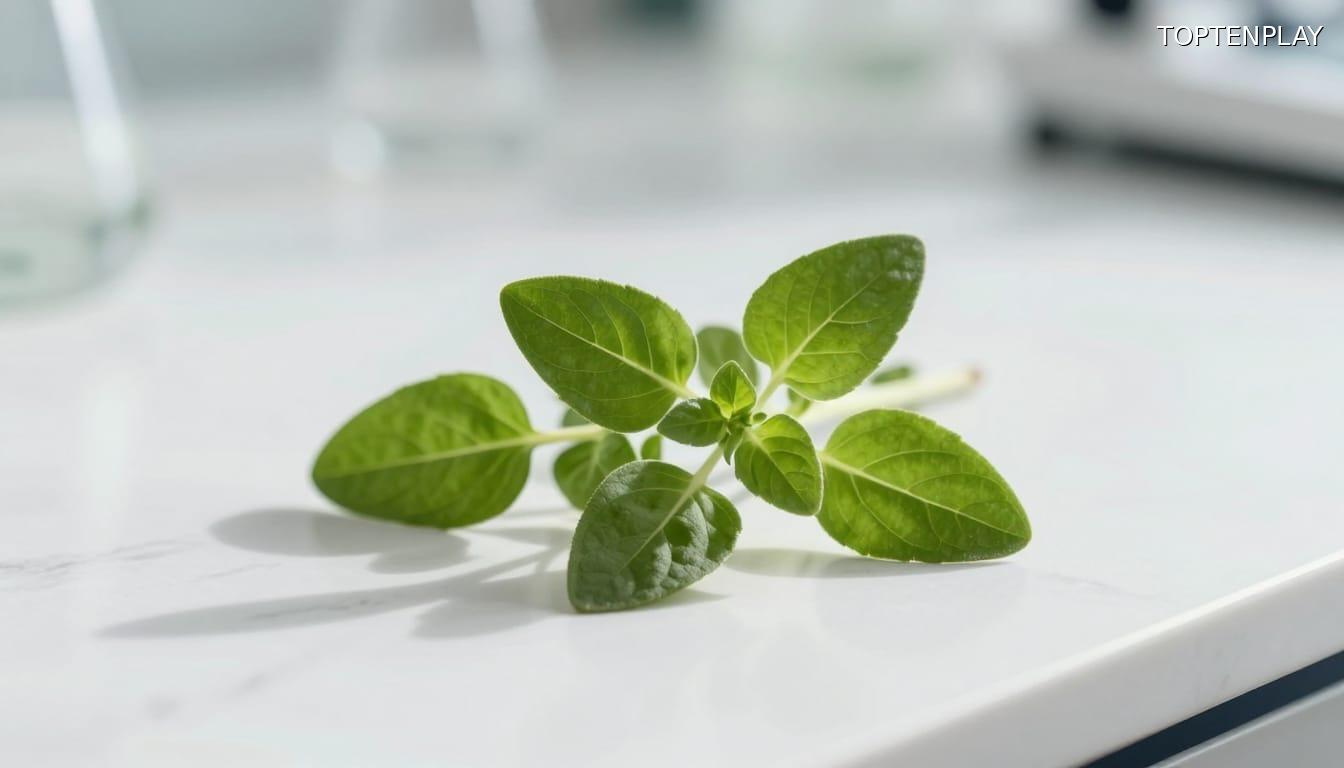
Behind the modest appearance of oregano lies a formidable chemical powerhouse. Origanum vulgare owes its exceptional reputation to two major active molecules: carvacrol and thymol. These natural compounds grant the plant medicinal properties that rival some pharmaceutical treatments.
Carvacrol demonstrates remarkable antibacterial efficacy, including against strains resistant to conventional antibiotics. This ability makes oregano a valuable natural remedy in the face of recalcitrant bacterial infections. Thymol, for its part, amplifies this action while adding a significant antiviral dimension. Scientific research reveals that this molecular synergy reduces the severity and duration of common respiratory infections such as colds and flu.
Oregano’s therapeutic arsenal doesn’t stop there. Its antifungal effects effectively target candida infections, the yeast overgrowth that unbalances intestinal flora and causes various pathologies. This triple action—antibacterial, antiviral, and antifungal—positions oregano as one of the most versatile medicinal plants.
Beyond its ability to neutralize pathogens, oregano contains a high concentration of antioxidants that protect cells from oxidative damage. These protective molecules form a shield against free radicals, thereby reducing the risk of chronic diseases and promoting cellular longevity.
A Natural Therapeutic Arsenal Against Infections
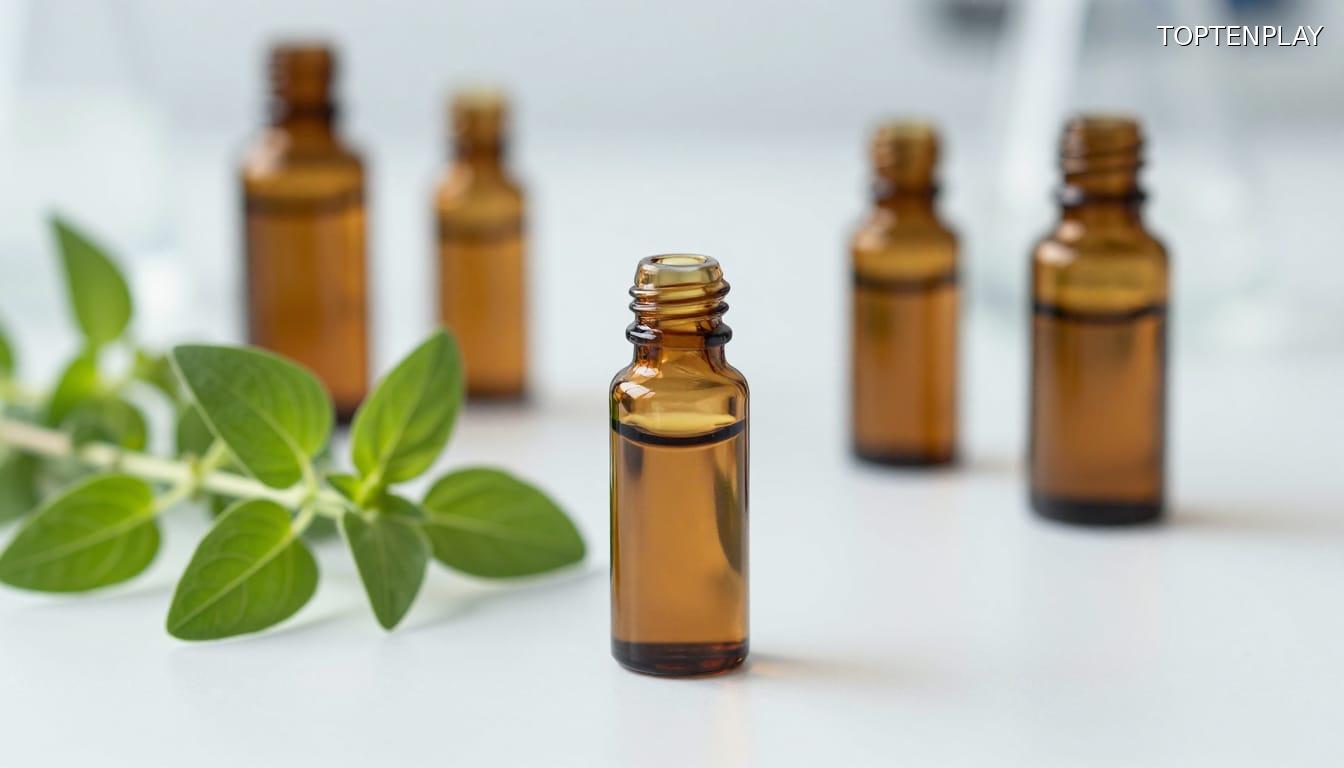
This molecular power translates into concrete medicinal applications that position oregano as a credible natural alternative. Faced with antibiotic-resistant bacteria, a growing global health issue, oregano oil demonstrates documented efficacy. Pathogenic strains that escape conventional treatments succumb to the active compounds of this Mediterranean plant, offering a valuable complementary solution to classic antibiotic protocols.
Oregano’s antiviral action proves particularly useful during periods when respiratory viruses are circulating. Studies confirm that its use at the first symptoms lessens the intensity of colds and flu while accelerating recovery. This ability to simultaneously neutralize viruses and bacteria makes it a versatile shield against seasonal infections.
The therapeutic spectrum extends to fungal infections, an area where oregano excels. Intestinal candidiasis, the yeast overgrowth that disrupts digestive balance, responds favorably to oregano-based treatments. Skin mycoses such as athlete’s foot also find a formidable opponent in this plant. Topical application of diluted oil eliminates the responsible fungi while soothing associated inflammation.
This anti-inflammatory dimension deserves special attention. By reducing inflammatory markers, oregano relieves symptoms of chronic pathologies such as arthritis while globally strengthening the immune system. This dual action—fighting infectious agents and moderating the inflammatory response—explains why traditional medicine has valued this herb for centuries. The mechanisms of action now elucidated by modern science validate ancestral empiricism and contemporary phytotherapeutic practices.
Multiple and Documented Health Benefits
Beyond its antimicrobial action, oregano reveals therapeutic virtues that affect several body systems simultaneously. The digestive system particularly benefits from its rebalancing properties. Oregano oil restores intestinal flora by promoting beneficial bacteria while eliminating parasites and pathogenic microbes. This targeted action improves nutrient absorption, reduces bloating, and stabilizes transit, transforming a simple condiment into a first-rate digestive ally.
Oregano’s ability to strengthen immune defenses stems directly from its combined antibacterial and antiviral properties. By stimulating white blood cell production and neutralizing infectious agents before they settle, this plant constitutes a natural rampart against external aggressions. People prone to recurrent infections find an effective preventive strategy in its regular consumption.
On the respiratory level, oregano clears congested airways and facilitates expectoration. Inhaled as steam or consumed as tea, it soothes irritated mucous membranes while fighting bronchial infections. This dual decongestant and antiseptic action speeds up recovery during episodes of cough or sinusitis.
The skin also benefits from these healing and purifying virtues. The application of properly diluted oregano oil accelerates the healing of minor wounds, reduces acne thanks to its antibacterial action, and soothes inflammatory irritations. The exceptional concentration of antioxidants completes this therapeutic picture by protecting cells against oxidative damage, thereby reducing the risk of chronic diseases and supporting cellular longevity. This systemic antioxidant protection makes oregano a molecular guardian that defends the organism at all levels.
Methods of Use and Essential Precautions
Optimal exploitation of oregano requires mastering its different forms of administration. In cooking, fresh or dried leaves naturally incorporate into soups, stews, salads, and Mediterranean sauces, simultaneously providing flavor and therapeutic benefits. This regular culinary consumption constitutes the gentlest method of long-term integration.
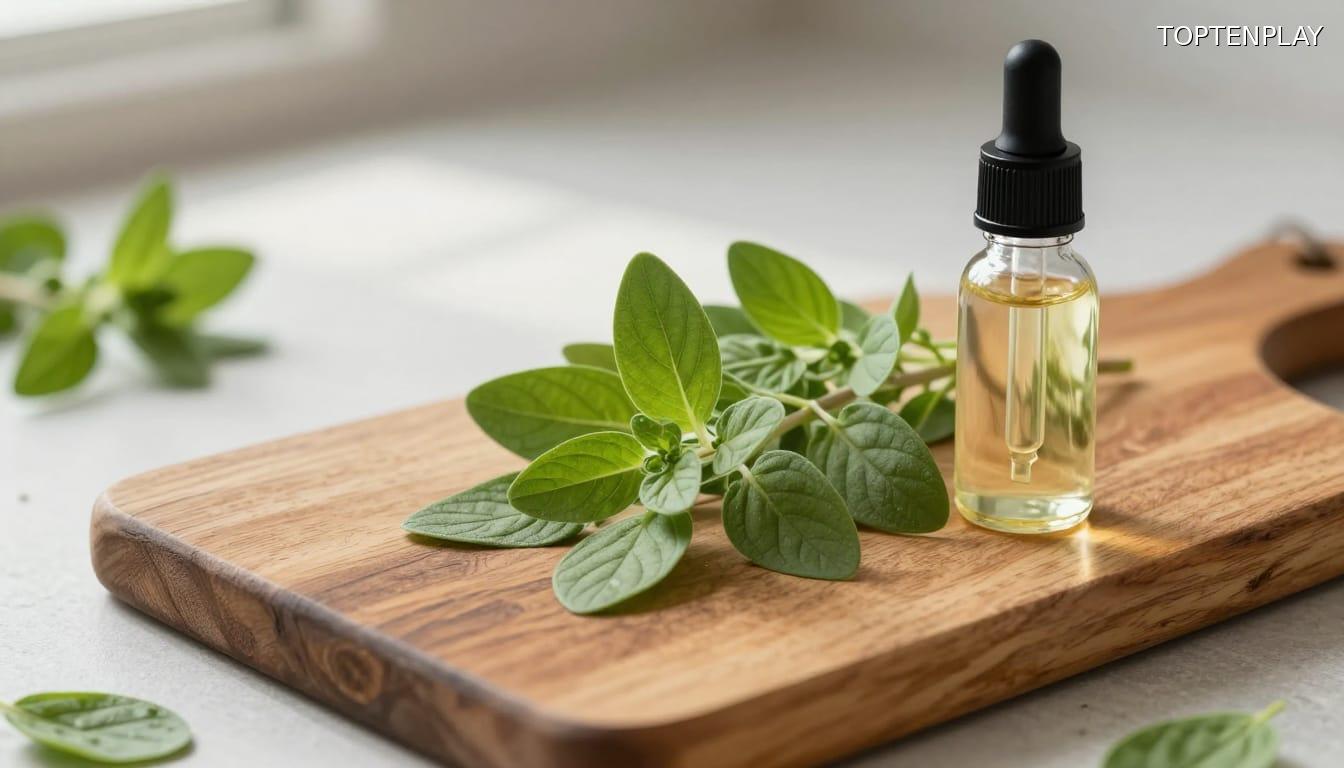
For targeted therapeutic applications, dried oregano tea releases its active compounds into hot water, creating a soothing remedy against digestive and respiratory disorders. Capsules and tinctures further concentrate the active principles, allowing for standardized supplementation to strengthen immunity or fight infections. Essential oil represents the most powerful form: a few drops mixed with a vegetable oil create a natural antiseptic or a topical anti-inflammatory agent.
This extreme concentration, however, imposes strict precautions. Oregano essential oil must never be applied pure to the skin, at the risk of severe chemical burns. Dilution in a carrier oil like coconut oil remains imperative, with a minimum ratio of 1:3. Internal use systematically requires the advice of a qualified health professional.
Pregnant or breastfeeding women should avoid any concentrated supplementation due to oregano’s emmenagogue properties. People under anticoagulant or antidiabetic treatment also require medical supervision, as drug interactions remain possible. This exceptional therapeutic power is therefore accompanied by a responsibility of use proportional to its effectiveness.