📌 One-pot braised chicken: how to get crispy skin and perfect sauce effortlessly
Posted 14 March 2026 by: Admin
The Magic Of Braising: When Simplicity Rhymes With Excellence
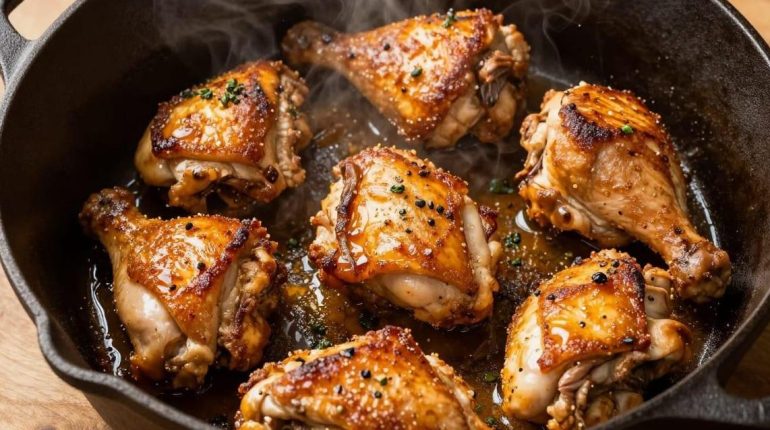
Braising embodies that rare alchemy where professional technique yields to the constraints of daily life. With this one-pot braised chicken, the promise is kept in just a few steps: sear the meat in a Dutch oven, let the oven do most of the work, and serve a dish with concentrated flavors worthy of a gourmet table.
The method relies on a formidable economy of means. No successive transfers between utensils, no constant monitoring. The skin transforms into a golden and crispy surface while the meat around the bones remains exemplarily tender. The cooking juices mingle with the aromatics in the same vessel, creating a naturally rich jus that restaurants would charge a premium for.
This approach reduces dishwashing while maximizing the reliability of the result. The oven becomes the silent ally that transforms ordinary poultry pieces into a comforting revelation. Unlike direct cooking methods that require sustained attention, braising forgives small timing errors thanks to its controlled moist environment.
The real magic happens in this combination of a vigorous initial sear followed by slow, enveloped cooking. The proteins first caramelize upon contact with the hot metal, then gradually relax in their aromatic bath. The liquid rises to only one-third of the height of the pieces, preserving the upper crispness while guaranteeing interior tenderness.
The Flavor Arsenal: Deciphering Strategic Ingredients
Each component of this recipe fulfills a specific mission in the final balance of the dish. The bone-in, skin-on pieces constitute the non-negotiable base: thighs and drumsticks retain their natural moisture during prolonged cooking, whereas breasts would dry out irremediably. The bone diffuses heat from the inside while the skin forms that protective barrier that retains juices before transforming into a crunchy envelope.
The braising liquid combines low-sodium broth and apple juice in a double-action strategy. The broth provides salty depth while leaving the cook in total control of the seasoning, avoiding sauces that lean towards excess salt. The apple juice, meanwhile, injects a discreet sweetness that rounds off the edges without ever tipping into pronounced sugariness.
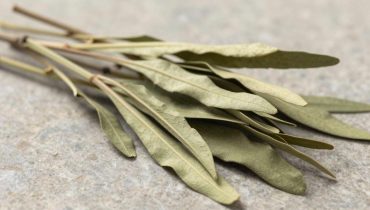
Seasoning relies on a precise aromatic trilogy. Seasoned salt delivers a complete profile in one gesture, replaceable by the kosher salt-paprika-garlic powder trio for those who prefer to compose their own. Crushed rosemary releases its essential oils with an intensity that whole leaves never reach, while dried thyme brings that persistent herbal note that carries through the cooking.
Variations enrich without denaturing. Mushrooms or carrots added with the onions create a heartier version. A spoonful of Dijon mustard introduces that subtle acidity that wakes up the taste buds. A splash of white wine advantageously replaces apple juice for palates seeking more complexity. These adjustments transform the base recipe into a personal field of exploration, each modification weaving a new taste dimension around the proven structure of braising.
Secrets Of Perfect Execution: Step-By-Step Technique
Initial drying of the chicken determines the success of the sear. Surface moisture transforms browning into steaming, producing that rubbery skin that no one wants. Meticulous patting with paper towels creates the conditions for authentic caramelization, which forges the aromatic base for all the sauce to come.
Searing requires absolute discipline: never move the pieces during the first four to five minutes skin-side down. Any premature movement interrupts the Maillard reaction, that chemical process that develops savory compounds and that sought-after golden color. Butter combined with oil offers the best of both worlds: rich taste and a high smoke point.
The liquid level is the most frequent error. One-third of the height of the chicken, no more. Too much liquid transforms braising into poaching, drowning the skin which will never crisp. This precise measurement allows the liquid to moisten the meat through evaporation while leaving the upper part exposed to the dry heat of the oven.
The instant-read thermometer eliminates all guesswork. Removing the chicken at exactly 165°F guarantees perfectly cooked meat without drying. The thirty-minute covered cooking tenderizes the fibers, then the ten to fifteen minutes uncovered finishes browning and crisping the skin. If the final sauce lacks body, a quick reduction over high heat concentrates the flavors and naturally thickens the juices to that velvety consistency that coats the spoon.
Beyond The Dish: Storage And Winning Sides
The final reduction transforms these cooking juices into the true protagonist of the meal. This amber liquid, enriched with caramelized juices and scented with herbs, deserves a vehicle worthy of it. Creamy mashed potatoes absorb every drop, while buttered pasta or plain rice capture this concentrated essence of flavors. Roasted vegetables offer a welcome textural contrast, but it is truly the starch that justifies the generosity of the serving.
Storage preserves this preparation remarkably well. Four days in the refrigerator in an airtight container, three months in the freezer. The fat solidified on the surface naturally protects the meat from oxidation, forming a protective seal that only needs reheating to regain its initial silkiness.
Reheating requires the same attention as the original cooking. A covered pan with a spoonful of broth restores moisture, or a stint in the oven at 325°F wrapped until the heat penetrates uniformly. The final minutes uncovered revive that skin crispiness that refrigeration had softened. The thermometer here again guarantees safety, aiming for an internal temperature of 165°F.
This recipe naturally generates leftovers that gain complexity the next day. Flavors married for an entire night develop additional depth, transforming this simple dish into a renewed culinary experience that fully justifies preparing a generous quantity from the start.