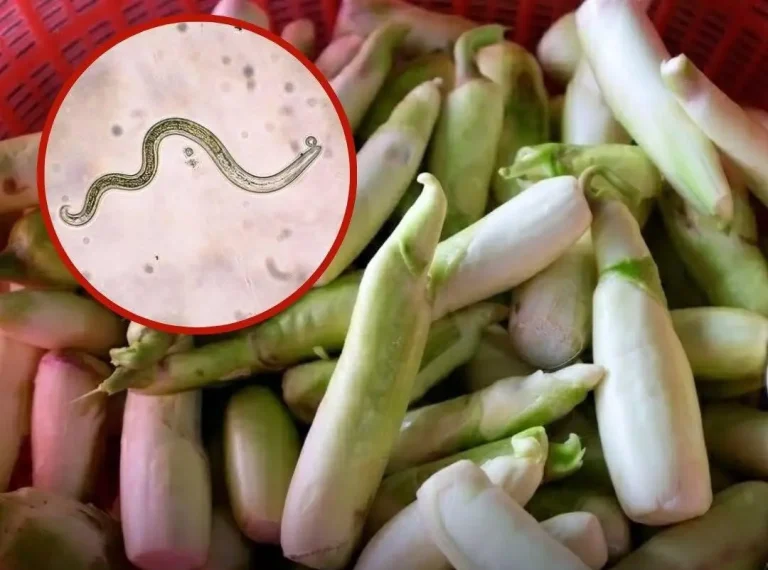
Fortunately, prompt medical care allowed him to recover without permanent kidney damage — an outcome physicians say is not guaranteed when treatment is delayed.
Cucurbitacins: the heat-resistant toxin hiding in common gourds
According to the treating physicians, the most likely cause of the poisoning was cucurbitacins — bitter chemical compounds that can develop naturally in certain members of the gourd family.
These toxins typically appear when vegetables are grown under environmental stress or when cultivated varieties cross-pollinate with wild ones. They are uncommon but cannot be neutralized by cooking: boiling, frying, and baking all leave cucurbitacins intact.
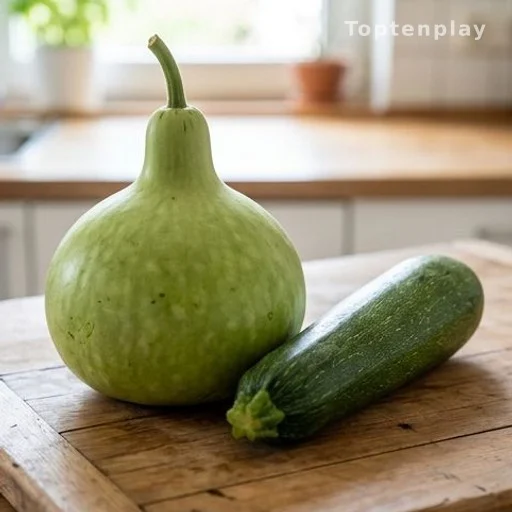
Doctors specifically highlighted bottle gourd and zucchini as the two vegetables most frequently associated with cucurbitacin poisoning. Under normal conditions both are mild and safe; an intensely bitter taste is the key warning sign that something is wrong.
What are cucurbitacins?
Cucurbitacins are naturally occurring bitter compounds found in plants of the gourd family, which includes cucumbers, zucchini, bottle gourds, and melons. They are produced as a natural defense mechanism and can accumulate to toxic levels under environmental stress or through cross-pollination with wild varieties. Most commercially grown vegetables in this family contain only trace amounts, making poisoning cases rare but not impossible.
Symptoms that appear within hours — and who is most at risk
Physicians describe a recognizable symptom pattern that typically develops within a few hours of exposure: an extremely bitter taste while eating, followed by persistent vomiting, intense abdominal cramps, diarrhea, and dizziness or weakness.

Severe vomiting and diarrhea can cause rapid dehydration, which in turn reduces blood flow to the kidneys and raises the risk of acute kidney injury — precisely the mechanism observed in the 25-year-old’s case.
Suggested Posts

AI could lift bank returns to 14%—but half of projects fail
Artificial intelligence promises to lift bank profitability and reshape competitive rankings, but the path is proving far slower and more hazardous than early enthusiasm…