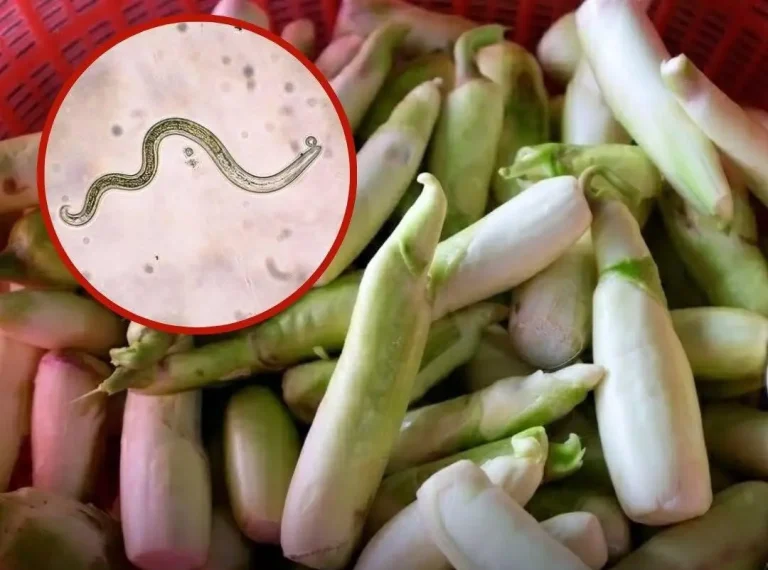
Doctors note that people with pre-existing kidney disease, older adults, and young children face a heightened risk of serious complications and should be especially cautious.
Stop, discard, and seek care: the three steps doctors recommend
The physicians’ primary recommendation is straightforward: if a gourd-family vegetable tastes unusually bitter, stop eating it immediately. Cooking it longer or mixing it with other ingredients will not reduce the toxin.

Doctors also advise buying vegetables from reliable sources and avoiding unusually shaped or visibly damaged gourds, which may be more likely to carry elevated toxin levels.
Anyone who experiences repeated vomiting, severe diarrhea, confusion, difficulty staying awake, or significantly reduced urination after eating a bitter vegetable should seek emergency medical care without delay. Early intravenous fluid treatment and supportive care, physicians say, can significantly reduce the risk of kidney injury and other serious complications.
The case has not been linked to a specific outbreak or product recall, and no public health authority has issued a formal alert based on this incident. Open questions include how frequently cucurbitacin poisoning goes undiagnosed or is mistaken for ordinary food poisoning, and whether stricter agricultural controls on cross-pollination could reduce the risk. For now, physicians say awareness of the bitter-taste warning remains the most reliable line of defense.
Suggested Posts

Trump Accounts for foster kids: 25 states in, key hurdles remain
Twenty-five governors have pledged to open Trump Accounts on behalf of eligible foster children, following an initiative announced in early June by First Lady…