Suivez-nous
28 May 2026

Off the Record: Groundbreaking Study Links Gut Health to Autism Risk — Starting in the Womb

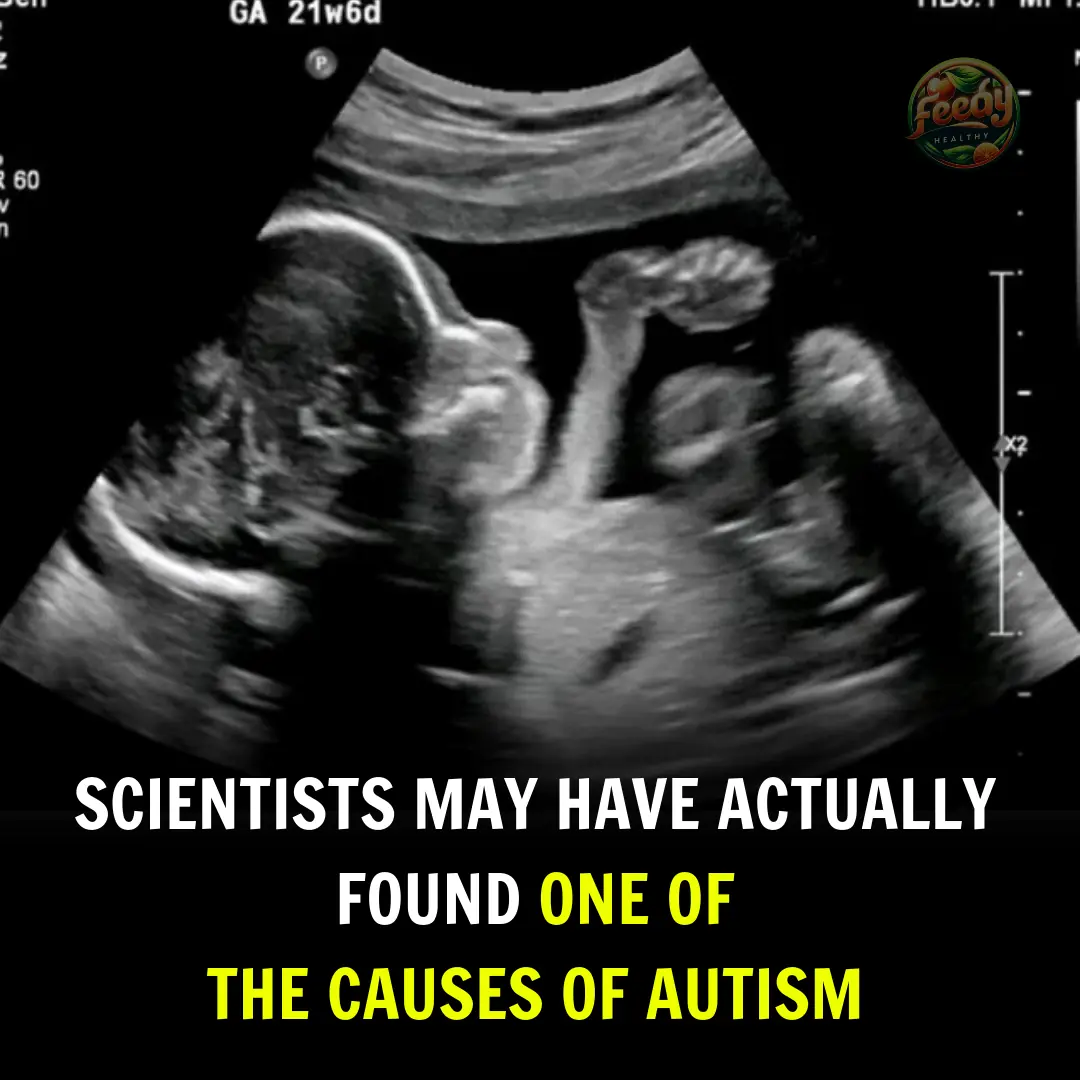
The gut microbiome has become a scientific frontier, reshaping our understanding of health. Its reach extends far beyond digestion—affecting emotions, metabolism, immunity, and even how the brain develops. Now, researchers suggest its influence may begin earlier than we thought: during pregnancy.
Publicité

Off the Record: Groundbreaking

A new study in The Journal of Immunology reveals a striking link between maternal gut health and the risk of autism spectrum disorder (ASD). While past research connected gut bacteria to mood disorders and autoimmune diseases such as lupus and type 1 diabetes, this investigation shifts the focus to autism—a neurodevelopmental condition that alters communication, behavior, and social interaction.

According to John Lukens, PhD, from the University of Virginia School of Medicine, “The microbiome is really important to the calibration of how the offspring’s immune system is going to respond to an infection, injury, or stress. It can shape the developing brain in multiple ways.” The surprising finding: the mother’s microbiome, not the child’s, appears to play the larger role.

Publicité

The Molecule That May Hold the Key: IL-17a

At the heart of this research is interleukin-17a (IL-17a), an immune molecule. Known for its involvement in psoriasis, rheumatoid arthritis, multiple sclerosis, and infection defense, IL-17a also influences fetal brain development.

In experiments with mice, one group carried microbiota that heightened IL-17a’s inflammatory response, while a control group did not. When IL-17a was blocked, all offspring showed normal, neurotypical behavior. Without suppression, pups from the inflammation-prone group developed autism-like traits such as repetitive behavior and impaired social interaction.

To reinforce the results, researchers performed a fecal transplant from inflammation-prone mothers into the control group. The transplanted group’s offspring then developed similar autism-like symptoms, highlighting the microbiota’s direct role.

Publicité

Implications for Autism Research

Although these results come from animal models and cannot yet be applied directly to humans, they strongly suggest that maternal gut health during pregnancy may shape a child’s neurological development.

“This is only the beginning,” Lukens emphasized. “We now need to identify which specific components of the maternal microbiome are linked to autism risk and whether these patterns are detectable in human pregnancies.”

While IL-17a plays a critical role, scientists believe multiple immune pathways and microbiota interactions are also at work.

Publicité

What’s Next?

Publicité
Partager sur Facebook