📌 Nut grass: the ancestral medicinal plant that researchers are rediscovering for inflammation and hormonal balance
Posted 16 March 2026 by: Admin
Cyperus Rotundus: The Misunderstood Herb With Millennial Roots
While the wellness industry multiplies fleeting trends and complex formulas, a discreet plant is catching the attention of researchers: Cyperus rotundus, commonly known as nut grass or purple nut sedge. Considered a simple weed by many, this plant species has nevertheless held a central place in traditional pharmacopoeias for centuries.
In Ayurveda, Middle Eastern herbalism, and ancestral Asian medicine, its properties have been documented and valued for generations. What fascinates the scientific community today are the active compounds naturally present in its tissues: flavonoids, alkaloids, terpenoids, and polyphenols. These complex molecules explain why traditional healers have passed down the use of this plant through the ages.
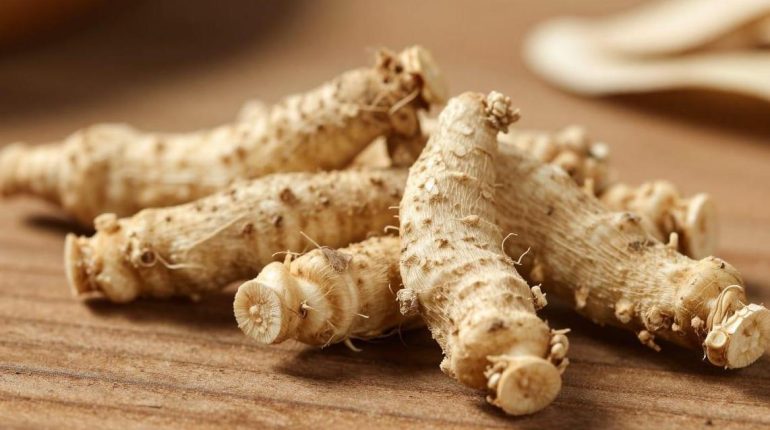
The true treasure of Cyperus rotundus is hidden underground. Its small subterranean tubers concentrate the bulk of its active principles: volatile essential oils, sesquiterpenes like cyperone, and a remarkable wealth of antioxidant compounds. These root nodules, often dried and then ground into powder or infused as tea, form the basis of traditional preparations.
What makes this plant particularly interesting is precisely this meeting between ancestral knowledge and modern scientific validation. Laboratories are now exploring what traditional practitioners observed empirically, building bridges between millennial traditions and contemporary research protocols.
Three Scientifically Explored Properties That Explain Its Reputation
This millennial recognition is not based on chance. Modern laboratories are now identifying the biological mechanisms underlying traditional observations, transforming ancestral empiricism into measurable data.
The anti-inflammatory activity of nut grass is one of the most documented areas of research. Studies reveal that certain compounds in the plant interact with enzymes involved in inflammatory processes. This property explains why traditional herbalists historically recommended Cyperus rotundus to promote joint and muscle comfort.
Support for hormonal balance represents a second promising field of investigation. Particularly valued in women’s wellness practices, the plant is the subject of analyses regarding its interaction with hormonal pathways. Research notably explores how its active compounds might influence the natural regulation of the menstrual cycle, thus validating therapeutic uses passed down from generation to generation.
Finally, the antioxidant potential of nut grass is part of a cellular protection logic. Like many plants rich in polyphenols, it contains natural antioxidants capable of neutralizing oxidative stress. This fundamental property interests scientists studying the mechanisms of cellular aging and the preservation of tissue integrity.
These three research axes converge toward one conclusion: ancestral medicinal traditions had identified, through empirical observation, properties that science is only beginning to decipher at the molecular level.
Seven Traditional Uses For Daily Well-Being
This scientific validation now sheds light on a remarkable reality: Cyperus rotundus has survived the centuries precisely because it met concrete needs. Traditional medical systems integrated it into various protocols, targeting several dimensions of well-being.
Digestive comfort is among its oldest applications. Herbalists recommended the plant to alleviate occasional bloating and promote harmonious digestion. Its calming effect on the digestive system, combined with its presumed ability to stimulate enzymatic activity, explains its recurring presence in preparations intended for intestinal balance.
In the field of women’s well-being, Ayurveda and traditional Asian medicines particularly valued its regulatory properties. Practitioners used it to support the harmony of the menstrual cycle and relieve occasional cramps, a use that contemporary research on hormonal pathways is beginning to contextualize scientifically.
Support for occasional inflammation was also a widespread use. Prepared as a tea, decoction, or massage oil, nut grass was applied to promote muscle relaxation and joint comfort during temporary discomfort.
Regarding metabolic balance, some studies explore the influence of its extracts on fat metabolism. Wellness traditions integrated it into global digestive support practices, while its mild diuretic effect contributed to water balance.
The antioxidant properties identified by modern science find their echo in traditional uses related to skin vitality, hair strength, and general cellular health. The polyphenols in Cyperus rotundus participate in cellular protection mechanisms valued in plant-rich diets.
Its traditional antimicrobial potential justified its use during seasonal transitions, periods when strengthening natural defenses was particularly sought after.
Finally, several traditions recognized nut grass as having gentle adaptogenic qualities, promoting mental calm. Consumed as a warm infusion, it was reputed to encourage relaxation, emotional balance, and sleep quality.
This therapeutic versatility explains why such a common plant acquired such a singular status in ancestral pharmacopoeias.
Practical Instructions And Essential Precautions
This wealth of traditional applications naturally raises a pragmatic question: how to concretely integrate Cyperus rotundus into a contemporary wellness routine?
Herbalists have developed four main forms of preparation, each adapted to specific goals. Dried root powder, dosed between 1 and 3 grams, is traditionally mixed with warm water or honey for digestive and metabolic support. Tea or decoction requires a teaspoon of root infused for 10 to 15 minutes, preferred for digestive comfort and relaxation. Essential oil, always diluted before topical application, is used in massage or aromatherapy. Modern capsules offer a practical alternative with standardized dosages.
This accessibility must not, however, overshadow a fundamental rule: any use of medicinal herbs requires a responsible approach. Consultation with a qualified health professional is imperative for pregnant or breastfeeding women, those planning a pregnancy, people under medical treatment, or those with pre-existing medical conditions. The active compounds of nut grass, natural as they may be, can interact with certain medications or prove inappropriate in particular physiological contexts.
The principle remains unchanged: medicinal plants intelligently complement a global approach to well-being but never replace a rigorous medical diagnosis or a prescribed treatment. This clarity distinguishes enlightened use from simple belief, allowing Cyperus rotundus to fully reveal its potential within the secure framework of a thoughtful wellness approach.