Medical checkups and refresher courses: the voluntary tools France offers
Rather than imposing compulsory restrictions, France encourages older drivers to take a series of voluntary steps to assess and maintain their fitness on the road. The first option is a medical evaluation requested directly from a general practitioner, covering eyesight, reflexes, and physical coordination.
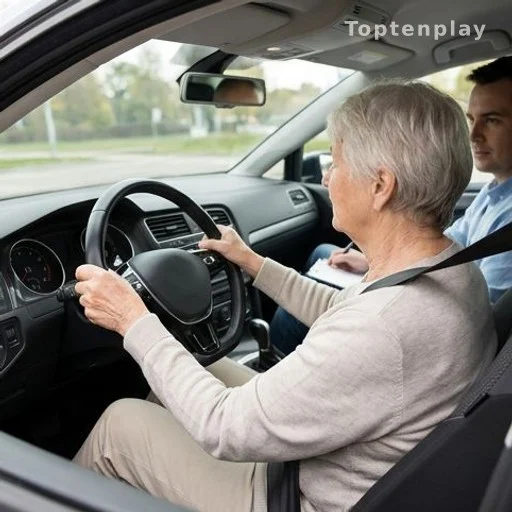
Following such an assessment, a physician may recommend practical adjustments — for instance, limiting driving to daytime hours only, avoiding motorways, or steering clear of high-traffic urban environments. These are suggestions, not legal obligations, but they can meaningfully reduce exposure to risk.
A second tool is the refresher course, designed specifically for older drivers. These programs revisit current traffic rules, introduce drivers to modern road features such as roundabouts and driver-assist technologies, and provide personalized feedback on driving habits. According to road safety advocates, such courses can be particularly effective in updating knowledge that may have drifted since the original driving test — which, for many seniors, was taken decades ago.
Automatic transmission and adapted vehicles: practical adjustments for safer driving
Beyond medical and educational measures, France also points to vehicle adaptations as a practical way to extend safe driving for older motorists. Switching from a manual to an automatic transmission is one of the most commonly recommended changes, reducing the physical and cognitive load required to operate a car in traffic.
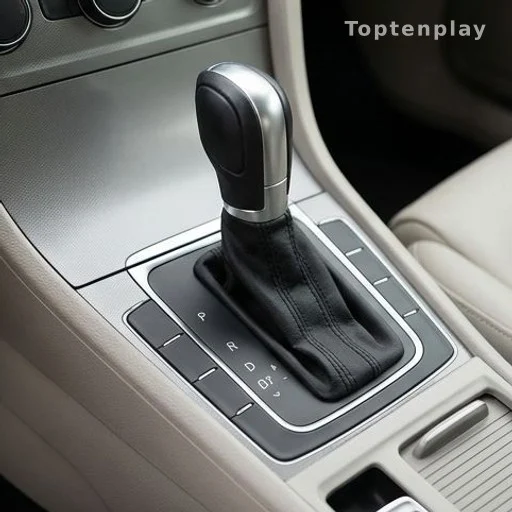
Specialized workshops exist to help seniors identify which adaptations best suit their individual needs — whether that involves modified controls, enhanced mirrors, or simply a vehicle better suited to their current physical condition. These adjustments are framed not as a concession to decline, but as a pragmatic tool to keep experienced drivers safely on the road.
The underlying logic of France’s approach is that many older drivers bring decades of accident-free experience to the road. Blanket restrictions, the argument goes, risk penalizing a majority for the difficulties of a minority. The challenge — one that remains unresolved in French public policy — is identifying those who genuinely pose a risk before an accident occurs, rather than after. Car insurance providers have also begun factoring age-related risk profiles into their premium calculations, adding a financial dimension to the debate.