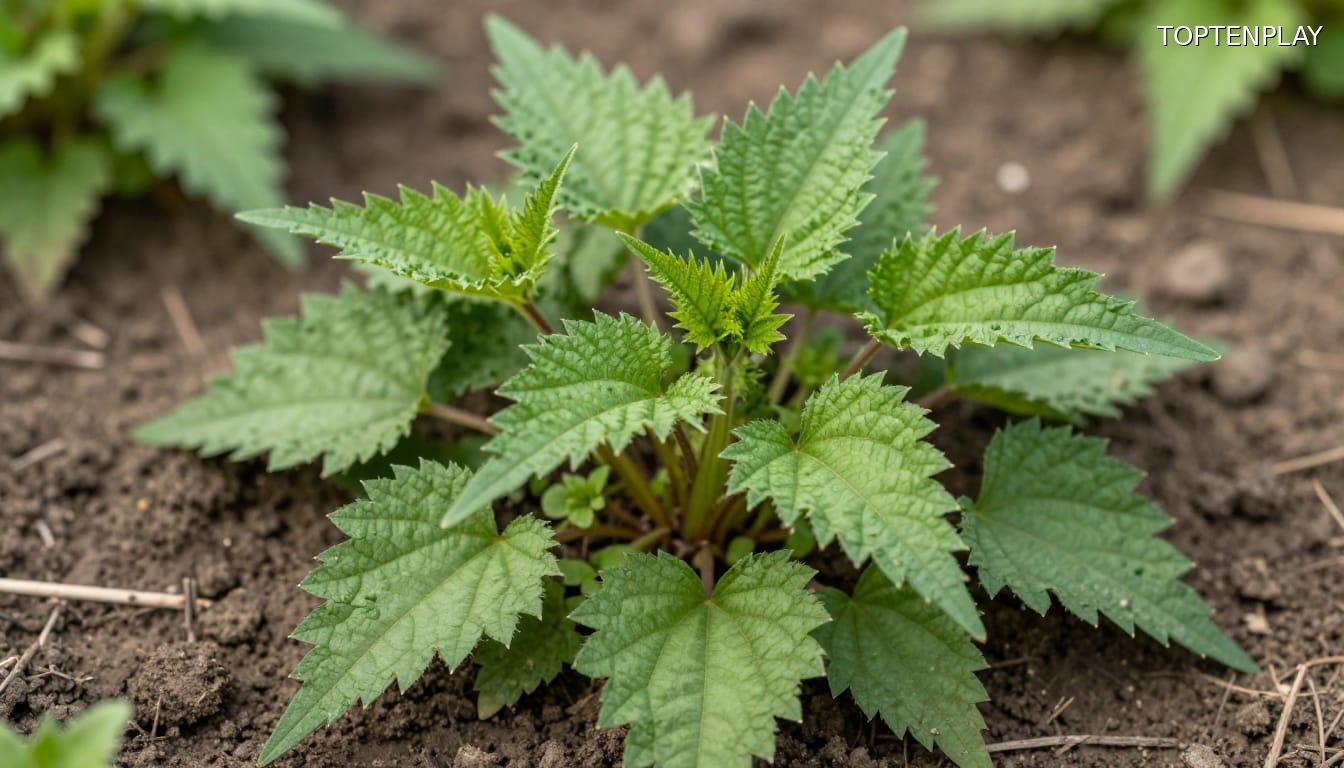
The Surprising Discovery: When a “Weed” Reveals Its Hidden Treasures
The contact is brutal. A simple walk in the garden, a harmless gesture to push aside a tuft of greenery, and suddenly a burning sensation invades the skin. Red patches appear, accompanied by persistent itching that can last for hours. This painful experience is known and dreaded by millions of gardeners. The nettle stands as public enemy number one of green spaces, an undesirable plant that people hasten to pull up without ceremony.
Yet, this reflex of systematic elimination is based on profound ignorance. Because behind this aggressive defense lies one of the most nutritious plants nature has created. Urtica dioica, its scientific name, accumulates in its tissues a remarkable concentration of vitamins A, C, and K, essential for maintaining vital functions. Its mineral profile is equally impressive: iron for cellular energy, calcium for bone structure, magnesium for nervous balance.
The polyphenols and flavonoids it contains place the nettle among the plants with high antioxidant power. This explains why, for centuries, traditional medicine practitioners around the world have never stopped valuing it. Where the modern gardener sees a nuisance, herbalists recognize a botanical treasure with multiple properties, now validated by serious scientific research.
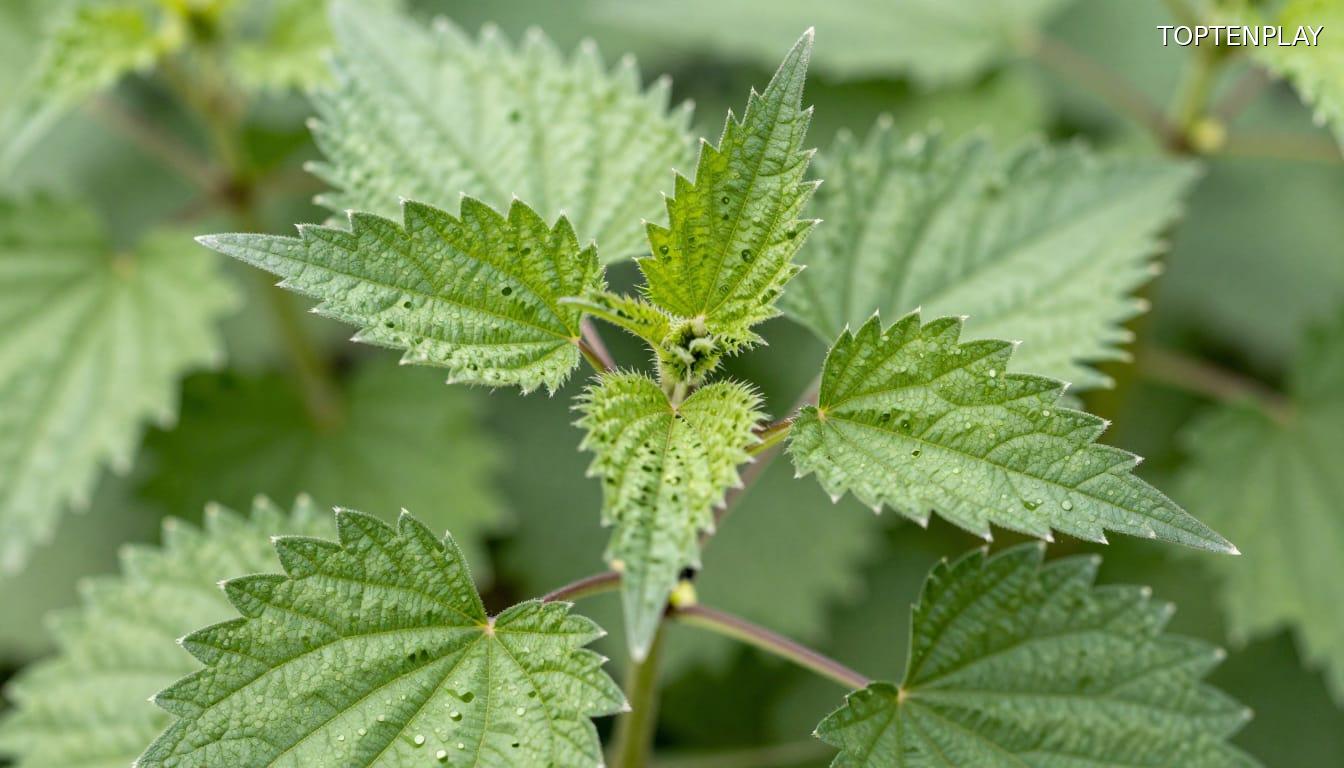
Botanical Portrait: Understanding the Nettle’s Defense Mechanism
This perennial herbaceous plant commonly reaches 90 to 210 centimeters in height, recognizable by its finely serrated heart-shaped leaves and square-section stems. Its plant architecture reveals a particularly effective survival strategy: a surface bristling with microscopic hollow hairs that transform each leaf into a veritable defensive arsenal.
The stinging mechanism is a matter of sophisticated biological engineering. These tiny structures act like natural syringes: at the slightest contact, their fragile tip breaks and releases an irritating cocktail of histamine and formic acid directly under the skin. This injection causes the characteristic inflammatory reaction that gardeners dread.
But here is the fascinating paradox: this formidable defense vanishes completely as soon as the plant undergoes heat treatment or a dehydration process. Drying, cooking, or extraction completely neutralizes the stinging properties, making the nettle perfectly harmless while preserving its exceptional nutritional profile. This transformation explains why a plant so painful to the touch becomes edible and beneficial once processed.
The nettle prefers moist soils rich in organic matter, often near streams or in shaded areas. This preference for fertile ground testifies to its ability to concentrate nutrients from the soil, which further strengthens its interest for food and therapeutic use.
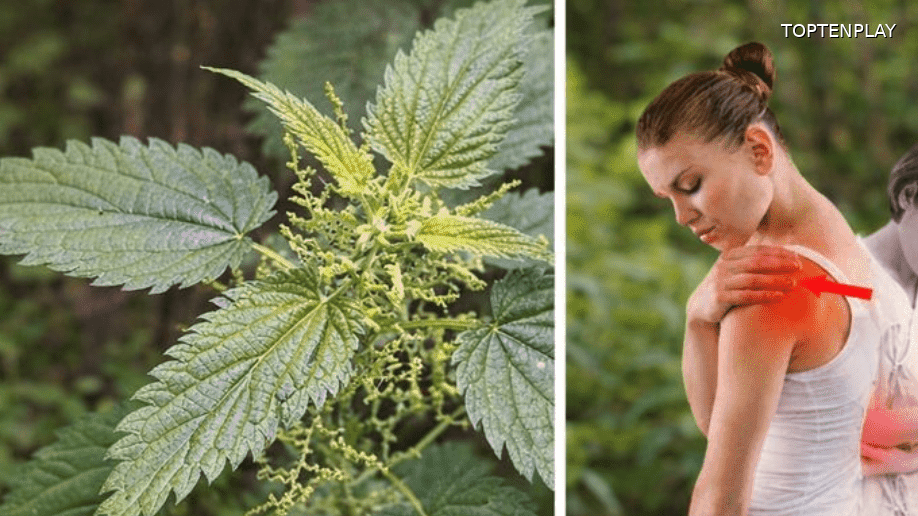
Potential Benefits Validated by Research
This natural concentration of nutrients explains why scientific research is now taking a serious interest in nettle. Recent studies document anti-inflammatory and antioxidant properties that go beyond simple herbal traditions.
Joint comfort is among the most explored areas. Clinical trials have tested the topical application of nettle-based cream on areas affected by stiffness or discomfort. Participants reported a significant reduction in symptoms compared to the placebo, with some results suggesting a possible decrease in dependence on conventional solutions. These observations, though preliminary, open interesting perspectives for those seeking complementary approaches.
Seasonal allergies constitute another promising research axis. Laboratory studies and some human trials indicate that nettle could block certain inflammatory responses triggered by environmental allergens. While results remain variable among individuals, nettle infusion is part of a long tradition of use against spring irritations.
On a purely nutritional level, the numbers speak for themselves: dried leaves provide iron to support daily energy, calcium essential for bone health, and a battery of antioxidants that fight cellular oxidative stress. Other leads are emerging regarding glycemic balance, blood pressure regulation, and male prostate well-being, but these areas still require more in-depth investigation before any definitive conclusion.
These scientific discoveries radically transform the perception of a plant long considered a simple nuisance, but one must still know how to use it safely.
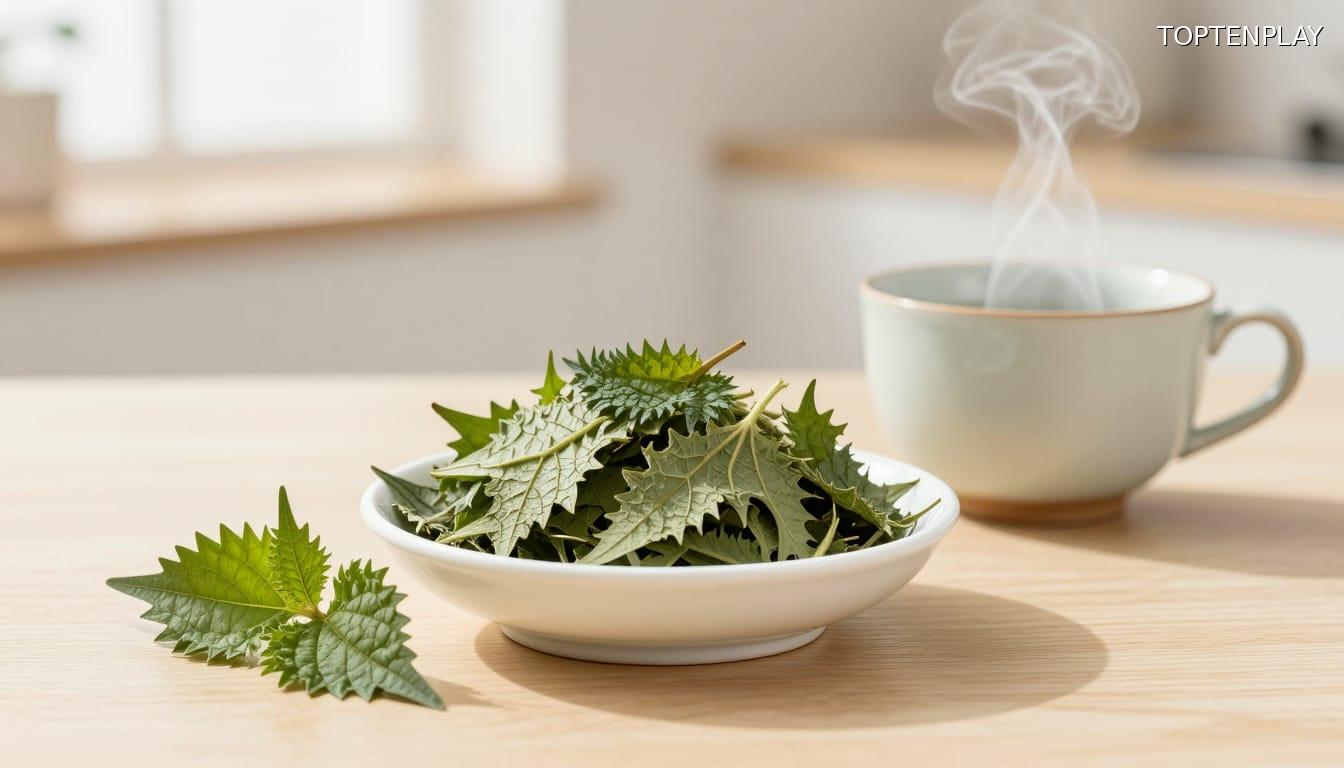
Practical Instructions: Using Nettle Safely
These scientific discoveries are useless if one does not know how to transform this defensive plant into a usable resource. The first rule remains absolute: never touch fresh nettle with bare hands. Direct contact causes temporary skin irritation that can last several hours.
The most accessible method is to prepare an infusion. Buy dried leaves from a reliable supplier, pour 1 to 2 teaspoons into a cup of hot water, let steep for 5 to 10 minutes, strain, and consume. Many enjoy this earthy taste at a rate of 1 to 3 cups daily. Drying completely neutralizes the stinging properties, making the plant perfectly safe.
Culinary use offers a tasty alternative. Young fresh leaves, once boiled for a few minutes, lose their ability to sting and can replace spinach in soups, stir-fries, or smoothies. Wear gloves during harvesting and ensure the picking area is free of pesticides.
Topical applications are found in the form of creams specifically formulated for external use on the skin or joints. These products allow for targeted action without ingestion.
The contrast is striking: fresh nettle causes rashes to be absolutely avoided, while dried, cooked, or extracted forms become totally safe for consumption or skin application. Start with small doses to observe your body’s reaction before intensifying use.