📌 Mullein, ivy, and green tea: how these three plants naturally relieve coughs and facilitate breathing
Posted 20 March 2026 by: Admin
Medicinal Plants at the Service of Respiratory Health
Faced with seasonal irritations and the degradation of air quality, certain medicinal leaves stand out as documented allies for soothing the respiratory tract. Their traditional use, now observed by research, reveals specific properties that explain their persistent effectiveness.
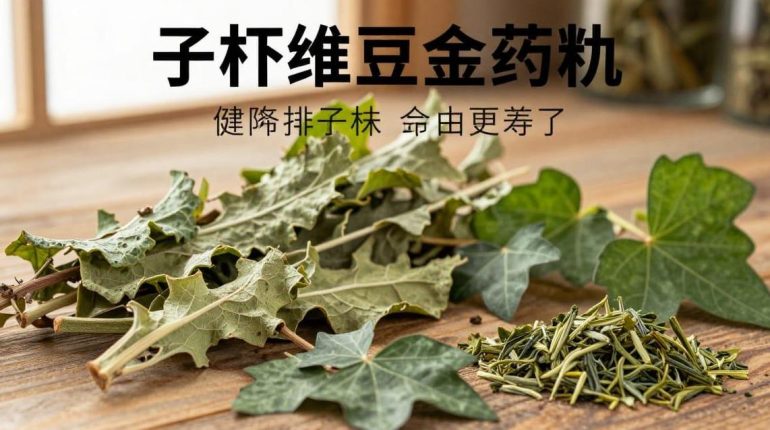
Mullein (Verbascum thapsus) holds a central place in respiratory herbalism. Practitioners use it to eliminate mucus, calm both dry and productive coughs, and soothe irritated lung tissue. This historical reference finds its legitimacy in its ability to thin bronchial secretions, thus facilitating their natural expulsion.
Ivy leaves (Hedera helix) constitute another proven European option. Several centuries of traditional use have led to research showing their potential to relieve coughs and bronchial symptoms, particularly during respiratory infections. Their expectorant action complements that of mullein in combined preparations.
Beyond these targeted plants, green tea is distinguished by its richness in antioxidants protecting lung tissue from oxidative stress caused by pollutants and environmental irritants. Other plants like plantain or mulberry leaves contain anti-inflammatory compounds that soothe irritated respiratory mucous membranes, thus completing the botanical arsenal available for global respiratory support.
Three Methods of Use Validated by Tradition
These respiratory plants deploy their potential according to proven administration protocols, each targeting specific needs. Infusion remains the most accessible method: steeping dried mullein or ivy leaves in hot water releases their active compounds, creating a drink that thins mucus and soothes persistent coughs. Adding honey strengthens the expectorant effect while lemon provides a complementary antiseptic dimension.
Steam inhalation allows for a more direct approach. By placing leaves in boiling water and carefully breathing in the vapors, the active principles immediately reach the respiratory tract. This traditional technique opens congested bronchi and clears the upper airways, offering rapid relief during acute episodes.
For prolonged support, concentrated decoctions are the third option. Prolonged boiling of the leaves extracts more phytocompounds than simple infusion, producing a more powerful preparation consumed in small doses spread throughout the day. This method is suitable for situations requiring continuous respiratory support over several days.
These preparations work in harmony with the lungs’ existing self-cleaning mechanisms, notably the ciliary movement that naturally evacuates unwanted particles. They do not replace these physiological processes but support them by reducing inflammation and irritation that could hinder them.
What Science Reveals About Real Effectiveness
Beyond ancestral practices, biochemical analyses confirm the presence of active compounds in these plants. Laboratories have identified saponins and mucilages in mullein with measurable anti-inflammatory properties, while ivy leaves contain hederasaponins whose bronchodilatory action has been the subject of European clinical studies. Green tea, rich in catechins, demonstrates a quantifiable antioxidant capacity that protects lung tissue from oxidative stress generated by pollution and smoking.
Scientific journals specializing in pulmonology recognize the therapeutic potential of certain phytochemicals to reduce airway inflammation and facilitate expectoration. Studies conducted in Germany on ivy extract showed a significant improvement in bronchitic symptoms in patients followed for several weeks. Green tea polyphenols, for their part, present a protective action against cellular damage linked to fine particles.
This scientific validation is nevertheless accompanied by important nuances. The quality of evidence varies considerably depending on the plant: while some like ivy benefit from controlled clinical trials, others rely mainly on empirical observation and preliminary laboratory studies. The mechanisms of action remain partially elucidated, and optimal dosages remain to be specified for each respiratory condition.
This scientific reality imposes a cautious approach in the use of these plant resources.
Essential Precautions and Limits of the Natural Approach
This partial validation does not dispense with vigilance. People with asthma, COPD, or chronic lung pathologies must imperatively consult their pulmonologist before any use of herbal remedies, as these plants can interact with bronchodilator or corticosteroid treatments. A cough persisting beyond three weeks requires a medical diagnosis, not self-medication with infusions.
Steam inhalation, so popular in respiratory phytotherapy, carries underestimated risks. Excessive temperature causes burns to the nasal mucosa and aggravation of bronchial inflammation, the opposite of the desired effect. Maintaining a minimum distance of thirty centimeters between the face and the container, limiting sessions to a maximum of ten minutes, and stopping immediately in case of discomfort are elementary safety rules often neglected.
Progressive testing is systematically required. Start with half a cup of light infusion, observe reactions for twenty-four hours before increasing doses. Some people develop cross-allergies between ivy and birch pollen, while mullein saponins sometimes cause gastric irritation in sensitive subjects.
These leaves accompany respiratory function without ever “detoxifying” the lungs, a biologically unfounded concept. They soothe inflammation, facilitate expectoration, and protect tissues, but do not replace medical treatments, smoking cessation, or improvement of ambient air quality. Their maximum effectiveness is expressed in a global approach combining hydration, moderate physical activity, and medical consultation as soon as necessary.