Mint Toothpaste: A Natural Path Against Household Pests
Faced with an invasion of rodents, cockroaches, or ants, many people turn to expensive chemical solutions. However, a viral hack suggests that an everyday product could play an unexpected repellent role: mint toothpaste.
Most mentholated toothpastes contain menthol or peppermint oil, two compounds known for their powerful aroma. Rodents have an extremely developed sense of smell, so sensitive that certain strong odors are unbearable to them. Laboratory studies reveal that concentrated peppermint essential oil can indeed exert a temporary repellent effect on certain rodents and insects.
But beware of confusion: toothpaste contains much lower concentrations of menthol compounds than the pure essential oils used in these experiments. This fundamental difference explains why the repellent effect of toothpaste likely remains slight and ephemeral.
This scientific nuance is crucial for understanding the real limits of this method. Between the promising results obtained in the laboratory with concentrated oils and the domestic application of ordinary toothpaste, the gap in effectiveness can be considerable. Mentholated toothpaste is therefore only a modest experiment, certainly not a guarantee of eradication.

What Research Really Says About the Repellent Effect of Mint
These scientific limits do not prevent certain field observations from attracting researchers’ attention. Several studies suggest that intense mint aromas can temporarily deter rodents from occupying certain areas. The mechanism is simple: faced with an odor that saturates their olfactory receptors, rats prefer to avoid the environment in question.
On the insect side, the results remain more nuanced. Ants, which follow precise chemical trails to communicate, could see their landmarks disrupted by sufficiently concentrated menthol compounds. Some insect species also show an aversion to strongly flavored environments, although this reaction varies considerably by species.
But here is the crucial point that all specialists emphasize: the vast majority of scientific evidence concerns concentrated peppermint oil, not domestic toothpaste. The concentrations tested in the laboratory reach levels far higher than what an ordinary tube of mint toothpaste contains. This methodological distinction strongly limits the scope of the conclusions that can be drawn for domestic use.
Experimental protocols generally use pure essential oils diluted at controlled concentrations under standardized conditions. Transposing these results to the application of toothpaste on baseboards is a hazardous extrapolation. The actual effectiveness therefore remains to be demonstrated under realistic usage conditions.
Testing Protocol and Natural Alternatives with Proven Effectiveness
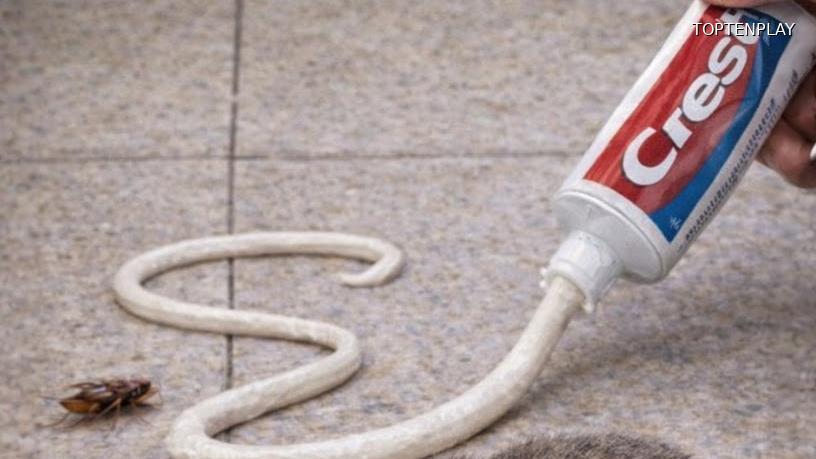
For those who nevertheless wish to experiment with this approach, here is how to proceed methodically. Choose a classic mint toothpaste, avoiding fruity or children’s versions where menthol compounds are often reduced. Apply small amounts along cracks, in dark corners, under baseboards, and near potential entry points.
Reapplication is necessary every two to three days, as the aroma evaporates quickly. This logistical constraint already limits the practical interest of the method. Also, be sure to keep the product out of reach of children and pets, even if toxicity remains low at these doses.
However, other natural options show more solid documented results. Peppermint essential oil, correctly diluted in water with a dispersant, has a much higher active concentration. White vinegar-based solutions effectively disrupt ants’ olfactory trails. Citric mixtures also offer a repellent action against certain crawling insects.
Each method, however, has its limits. Faced with an established infestation, with the presence of droppings, nesting materials, or persistent activity, home remedies quickly show their weaknesses. Targeted commercial bait systems generally remain more effective against cockroaches, while mechanical traps retain their relevance for rodents. The intervention of a certified professional then becomes the only guarantee of sustainable eradication.
The Real Keys to Prevention: Beyond Ephemeral Hacks
This succession of natural experiments reveals a fundamental truth: no locally applied product replaces a coherent structural strategy. Pests settle where they find food, water, and shelter. Removing these three conditions is the only lasting defense.
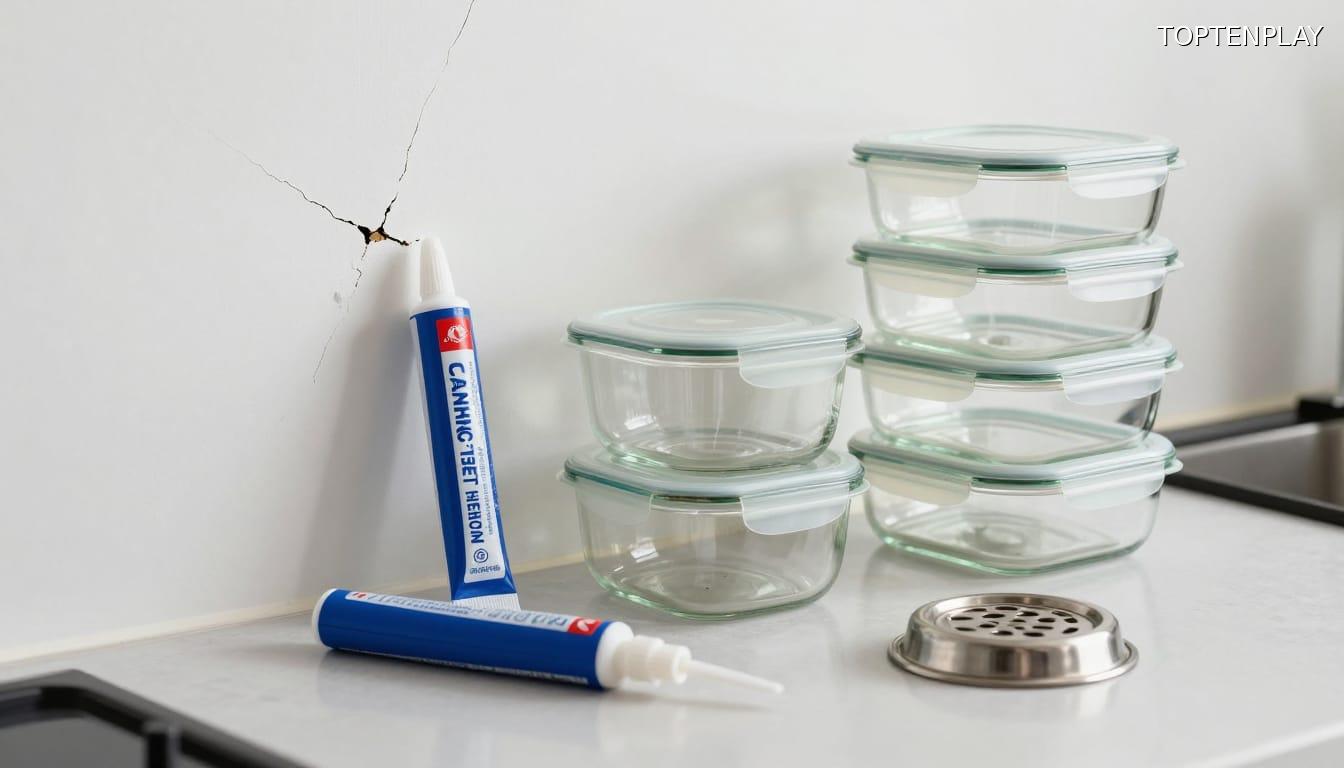
Systematic sealing of cracks, holes, and wall spaces physically blocks access. A simple silicone seal around pipes, metal plates on ventilation openings, or mortar in facade breaches radically transforms a home’s permeability. This mechanical approach offers measurable effectiveness, independent of any volatile aromatic compound.
Hermetic food storage in glass or rigid plastic containers eliminates sources of attraction. Eliminating water leaks, condensation, and damp areas deprives pests of their vital needs. These daily actions, combined with rigorous cleaning routines, drastically reduce the risk of infestation.
When signs persist despite these measures—fresh droppings, nighttime noises, signs of gnawing—resorting to a certified specialist is necessary. Professionals have precise diagnostic tools and calibrated treatments that domestic solutions cannot match. Structural prevention and rigorous sanitation remain the only sustainable ramparts against repeated invasions.