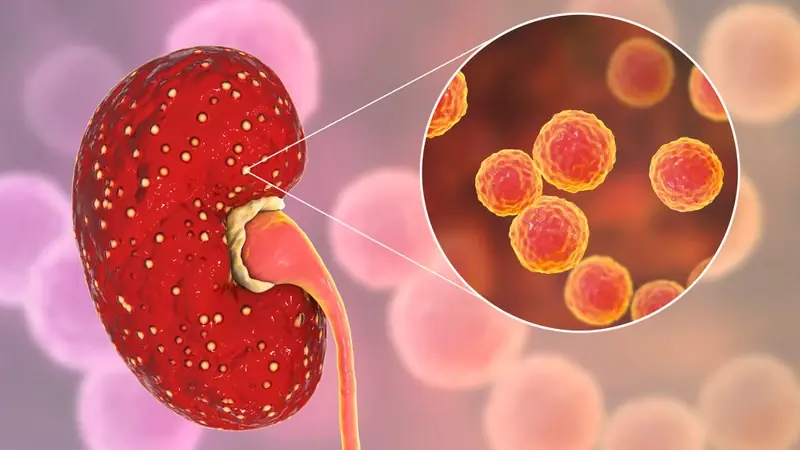
The kidneys are vital organs that quietly sustain life, yet they are also highly vulnerable. Recognizing early warning signs of kidney trouble is essential, as timely action can prevent irreversible damage and preserve overall health.

The kidneys are often underestimated, yet they play an essential role far beyond the commonly discussed link to sexual health. They filter blood, regulate blood pressure, produce hormones, balance acids, remove waste, and create urine—all critical for overall health.
With today’s lifestyle changes, kidney diseases—especially kidney failure—are on the rise. This condition often develops silently but progresses rapidly. Once advanced, it is difficult to cure, leaving many dependent on dialysis or transplantation. Even a transplant carries risks, particularly cardiovascular complications, and requires lifelong monitoring.
Compared to men, women are more likely to overlook kidney health and ignore early warning signs. Being alert to changes in urination can make the difference between early treatment and lifelong complications.
1. Reduced Urine Output
A healthy adult typically produces 1,000–2,000 ml of urine daily. A sudden and persistent decrease may signal kidney dysfunction.
Physiological causes: low water intake or heavy sweating.
Pathological causes: urinary tract disease, kidney damage, or other illnesses.
Oliguria (below 400 ml/day) and anuria (below 100 ml/day) are serious concerns. In the early stages of kidney failure, urine output may drop without explanation, signaling impaired excretory function. Without prompt treatment, the condition worsens rapidly.
2. Foamy Urine
Occasional foam in urine may not be serious, but frequent or persistent foamy urine usually points to kidney-related problems.
Since kidneys produce urine, any issue—such as nephritis, kidney stones, infection, or failure—directly affects its composition. Foamy urine may also indicate diabetes, urinary tract infections, hypertension, or high proteinuria. Seeking medical advice is crucial if this symptom recurs.
3. Blood in the Urine
Hematuria can be classified as:
False hematuria: caused by menstruation or pigments from certain foods.
True hematuria: microscopic (only visible under a microscope) or gross (visible to the naked eye).
Normally, kidneys prevent blood cells from leaking into urine. When the filters are damaged, however, red blood cells escape, leading to blood-stained urine. This often indicates advanced kidney failure, especially in chronic cases like polycystic kidney disease. Patients may experience pain, discomfort, and visible red urine.
Other Symptoms of Kidney Failure

Beyond changes in urination, kidney failure may also cause:
Frequent nighttime urination
Loud snoring and shortness of breath
Back pain
Bad breath
Fatigue and weakness
Swelling (edema)
Skin rashes and itching
How to Prevent Kidney Failure
Multiple factors contribute to kidney damage: excessive salt, sugar, protein, and fat intake; poor diet low in fruits and vegetables; sedentary habits; stress; smoking; alcohol; and chemical-laden foods.
Prevention involves:
Drinking 1.5–2 liters of water daily (more in hot weather or with heavy sweating).
Maintaining a balanced diet and healthy weight.
Exercising regularly.
Avoiding excessive alcohol, smoking, and high-salt foods.
Monitoring blood sugar and cholesterol.
Not holding in urine.
Practicing moderation in sexual activity.
Overuse of medications—especially when taken long-term or in high doses—can also harm the kidneys. Untreated urinary tract conditions such as kidney stones or infections may gradually lead to chronic kidney failure if ignored.