📌 Male fertility: how diet and moderate exercise improve sperm quality

Posted 26 February 2026 by: Admin
The Decisive Influence Of Lifestyle On Male Fertility
When a couple struggles to conceive, attention often turns toward female reproductive health. However, research reveals an underestimated reality: male health plays an equally determining role. Studies indicate that male factors contribute to a significant portion of fertility difficulties, a dimension long neglected in conception journeys.
What many couples miss is the progressive impact of daily habits on sperm quality. An unbalanced diet, sedentary lifestyle, and chronic stress act as silent saboteurs, gradually altering sperm parameters without immediate warning signs. These factors, contrary to popular belief, are not a matter of genetic fate but of modifiable choices.
The good news rests on encouraging scientific data: targeted lifestyle adjustments can restore and improve seminal quality. Observational studies demonstrate that nutritional changes, adapted physical activity, and better stress management produce measurable effects on sperm motility, morphology, and concentration.
This approach transforms the fertility journey into a shared process, where each partner becomes an actor in the solution. Rather than just enduring the wait, men now have concrete levers to optimize their reproductive potential without resorting to complex medical interventions.
The Three Key Indicators Of Seminal Quality And Their Nutritional Optimization
Sperm quality relies on three measurable parameters that determine fertilization capacity. Motility evaluates the efficiency of sperm movement toward the egg, morphology examines their shape and cellular structure, while concentration quantifies their number per milliliter of semen. These indicators are not fixed: observational studies establish a direct link between balanced parameters and increased chances of natural conception as well as a healthier early pregnancy.
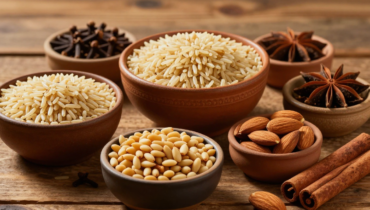
Diet constitutes the first lever of action, as certain nutrients play a demonstrated protective role. Zinc actively supports sperm development and hormonal balance, selenium improves cellular motility, while vitamins C and E act as antioxidants by protecting sperm DNA against oxidative stress. These compounds are not expensive supplements: nuts, seeds, citrus fruits, and leafy green vegetables provide them naturally.
Dietary contrast reveals significant differences. Ultra-processed foods increase oxidative stress that damages reproductive cells, while whole foods provide cumulative nutritional protection. Gradually replacing industrial snacks with a handful of almonds or adding spinach to dinner creates measurable benefits over several weeks.
However, this nutritional approach does not work in isolation. Hormonal balance, essential for optimal sperm production, also depends on two factors often undervalued in their direct biological impact.
Physical Activity And Stress Management: Hormonal Balance At Stake
Physical exercise acts directly on blood circulation, metabolism, and hormonal regulation, three essential mechanisms for reproductive function. Research establishes that moderate activity of 150 minutes per week — brisk walking, swimming, or cycling — is associated with improved sperm parameters. Balance remains key: excessive intensive training without adequate recovery generates counterproductive physical stress. For beginners, 30 minutes of daily walking is a simple, sustainable, and scientifically validated option.
Chronic stress disrupts this hormonal balance through a prolonged elevation of cortisol. This imbalance interferes with sperm production and quality, notably affecting sperm concentration and motility. Beyond biological impacts, emotional tension also weakens relational well-being during the conception journey.
Concrete strategies mitigate these effects. Ten minutes of daily meditation or deep breathing reduce cortisol, while 7 to 9 hours of regular sleep restore hormonal balance. Calming activities — reading, contact with nature, social moments — create an environment conducive to reproductive health.
These daily adjustments, far from requiring radical upheavals, are gradually integrated into a consistent routine. Consistency over several months transforms these isolated habits into a measurable global strategy.
Daily Action Plan Based On Scientific Evidence
This consistent approach translates into a structured daily protocol. Each step relies on the previously identified biological mechanisms to maximize their synergy.
In the morning, include fresh fruit and a handful of nuts in breakfast. This combination provides zinc, selenium, and vitamin C in a simple format. During the day, maintain regular hydration and a 30-minute walk to stimulate circulation and metabolism. In the evening, practice 10 minutes of deep breathing or relaxation to regulate accumulated cortisol.
The weekly goal sets a clear course: 7 to 9 hours of monitored sleep. Keeping a rest journal helps identify patterns and gradually adjust schedules.
Certain natural compounds complement these habits. Maca, ashwagandha, CoQ10, and omega-3s have been the subject of encouraging studies. These options work through a cumulative effect, not as isolated solutions. A prior medical consultation ensures individual suitability and prevents interactions.
Consistency over several months generates measurable results superior to sudden changes. This timeframe respects cellular renewal cycles — about 74 days for complete spermatogenesis. The couple’s shared commitment transforms this individual protocol into a relational process, strengthening the emotional balance essential to the conception journey.