📌 Macaroni gratin: how Reblochon and chorizo transform the traditional recipe
Posted 22 January 2026 by: Admin
The Creamy Base: A Reblochon Béchamel
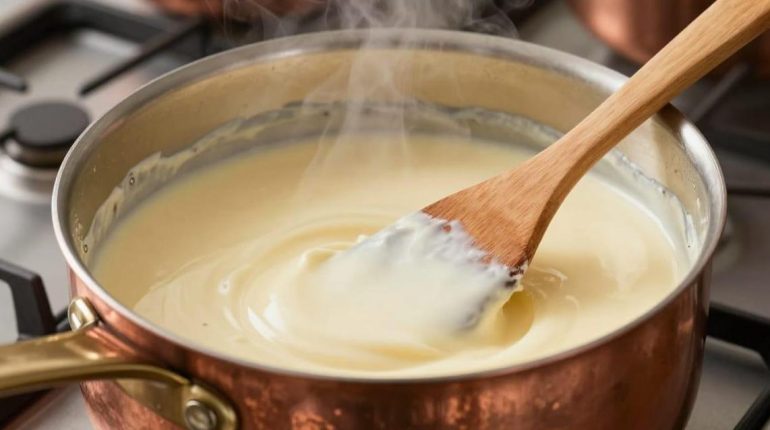
It all starts with a technical gesture that separates the amateur cook from the enthusiast: the homemade béchamel. In a saucepan, the butter melts gently before welcoming the flour. The wooden spatula stirs relentlessly until that characteristic blond color is obtained, a sign that the roux has reached maturity. The addition of cold milk marks the delicate turning point of the operation.
The temperature must remain under absolute control: no boiling. The mixture gradually thickens under the mechanical action of the spatula, revealing that velvety texture that only a hand-worked sauce can offer. It is at this precise moment that the Reblochon enters the scene.
A quarter of the Savoyard cheese, previously stripped of its rind, dives into the still-hot béchamel. The melting happens slowly, transforming a classic sauce into an exceptional cheese preparation. The Reblochon diffuses its milky notes and creamy texture, creating a base that will coat each macaroni in a creamy and fragrant shell.
This first step determines the final success: a béchamel that is too liquid would drown the dish, too thick and it would stifle the flavors. The balance lies in this patient cooking, without haste, where the mountain cheese reveals its full capacity to sublimate a traditional preparation.
The Bold Alliance: Reblochon and Chorizo
This cheesy béchamel finds its counterpoint in a charcuterie that is not at all Savoyard. The Iberian chorizo, sliced and then delicately peeled of its protective skin, brings what Reblochon cannot offer alone: a smoky, slightly spicy note that wakes up the milky roundness of the cheese.
The association is baffling at first. On one side, the Savoyard AOP with farmhouse and mountain origins. On the other, the spicy charcuterie of Spanish or Portuguese lands. Yet, in the baking dish where the mixture takes place, this meeting makes perfect sense.
The chorizo slices release their spicy fat upon contact with the hot béchamel. The macaroni then become the messengers of this improbable fusion, capturing both gustatory universes in their cylindrical cavities. The creaminess of the Reblochon tempers the heat of the pepper, while the chorizo prevents the cheese from becoming cloying.
This combination defies the purists of regional recipes but responds to an unstoppable gustatory logic: the balance between creamy sweetness and assertive character. The gratin ceases to be a simple cheese preparation to become a dish of character, where each bite reveals this dialogue between two culinary traditions that everything seems to oppose.
The Double Texture of the Cheese
Reblochon intervenes a second time, but in a radically different form. After enriching the béchamel with its creaminess, the last quarter of the cheese is sliced into regular strips that top the entire gratin before it goes into the oven.
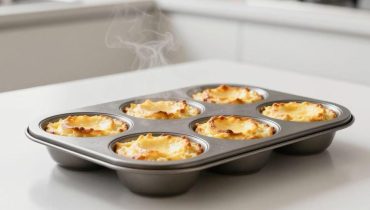
This two-stage strategy transforms a single ingredient into two distinct experiences. Inside, the cheese melted in the sauce coats each macaroni in a milky cream. On the surface, these same strips exposed to the dry heat of the oven develop a golden, almost caramelized crust that crunches under the fork.
Cooking at 180°C for exactly fifteen minutes orchestrates this metamorphosis. Too short, and the Reblochon would remain soft and whitish. Too long, and it would harden and lose its characteristic softness. This precise timing ensures that the strips reach that rare point of balance: a gratinated surface that still hides a runny heart.
This double use of the cheese constitutes the visual signature of the dish. When the spatula breaks the golden crust to serve the first portion, it reveals the creamy interior where chorizo and pasta bathe in the cheesy béchamel. The contrast between the external crunch and the internal melting then becomes the final argument for this recipe that refuses textural monotony.
Service and Optimal Tasting
Technical success is only worth something if it reaches the plate intact. As soon as it comes out of the oven, the stopwatch starts: every minute of waiting dulls the contrast between the crunchy crust and the creamy heart that fifteen minutes of cooking have just perfected.
Immediate service captures the gratin at its thermal peak. At this precise moment, the gratinated Reblochon oscillates between two states: its surface is just beginning to set while its base remains runny, almost liquid. Waiting just five minutes is enough to set the whole thing, transforming the fluid sauce into a compact mass that loses its silky character.
The size of the dish also plays its part in this race against cooling. A container that is too narrow compresses the pasta, preventing heat from circulating uniformly. Too wide, and it exposes an excessive surface area that accelerates heat loss. The ideal dish contains just enough space for the macaroni and chorizo to be distributed without excessive overlapping.
This urgency of service transforms the gratin into a dish of direct conviviality. Unlike preparations that benefit from resting, this one requires a table already set, forks in hand. When the first portion reveals its steaming interior and the cheese strings between the dish and the plate, the gustatory experience reaches its maximum intensity. After this moment, it only declines.