📌 Leg and joint pain: 7 validated natural methods to relieve without medication
Posted 20 March 2026 by: Admin
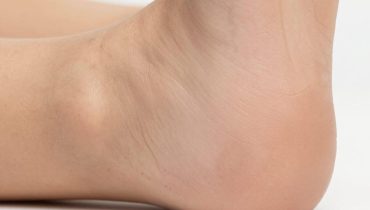
Understanding The Causes Of Leg And Joint Pain
Leg pain and joint discomfort affect all ages, but their origins often remain misunderstood. Precisely identifying what triggers these manifestations allows for targeting the most appropriate natural strategies.
Muscle fatigue after physical activity is the primary cause. Whether after a long walk, a workout, or simply a day on your feet, muscles accumulate tension that generates diffuse pain. Simultaneously, mild inflammation around the joints frequently appears as a result of repetitive movements or excessive strain.
Blood circulation also plays a decisive role. Poor circulation or muscle tension prevents optimal tissue oxygenation, creating stiffness and sensations of heaviness. Added to this is the daily wear and tear of joints, a natural phenomenon amplified by aging and mechanical constraints.
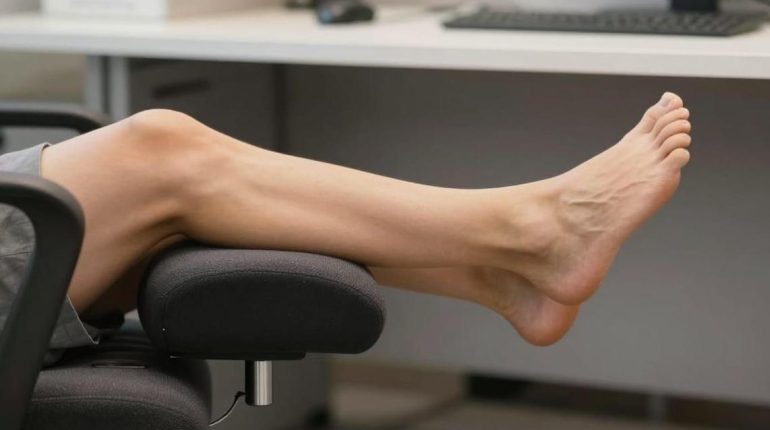
Prolonged static positions considerably worsen the situation. Staying seated or standing for long periods slows circulation and stiffens muscles. This sedentary lifestyle or overly static posture explains why so many people feel recurring discomfort without an underlying pathology.
Understanding these mechanisms reveals a reassuring reality: the majority of leg and joint pain stems from modifiable factors. Diet, physical activity, and postural habits offer concrete levers for action to regain comfort and mobility.
Active Solutions: Movement And Thermal Therapy
Faced with these identified mechanisms, the natural response favors action rather than immobility. Contrary to popular belief, prolonged rest further stiffens joints and weakens already strained muscles.
Regular short walks constitute the first effective intervention. Fifteen to twenty minutes daily improves blood circulation, thereby reducing the sensation of stiffness. Moderate effort stimulates tissue oxygenation without attacking weakened joints. This practice, accessible to everyone, requires no special equipment.
Gentle stretching completes this active approach. Targeting the calves, hamstrings, and quadriceps for 20 to 30 seconds releases accumulated tension. The key lies in regularity: three to four weekly sessions far surpass an occasional intensive session. These simple gestures prevent contractures and maintain joint flexibility.
Thermal therapy offers immediate complementary relief. Hot compresses or baths relax contracted muscles, particularly effective after a taxing day. Conversely, briefly applied cold packs target swollen or inflamed areas. This alternation of heat and cold, adapted to individual sensations, reduces discomfort without chemical intervention.
The combination of gentle movement and controlled temperature progressively restores joint comfort. These accessible techniques form the foundation of natural management, reinforced by specific nutritional habits that amplify their beneficial effects.
Hydration, Nutrition, And Self-Care Techniques
Beyond movement, the body requires internal support to maintain joint functionality. Regular hydration is the often-neglected foundation of this process. Water ensures the balance of muscle tissue and the lubrication of joints. Insufficient consumption stiffens structures, accentuating sensations of discomfort. Two liters daily represents the minimum to preserve the fluidity of movement.
Anti-inflammatory nutrition amplifies these benefits. Berries, leafy green vegetables, nuts, and fatty fish provide essential antioxidants that fight mild inflammation. Unlike external solutions, these nutrients act deeply, progressively reducing joint irritation. Daily integration of these foods transforms the body’s natural response to tension.
Self-massage techniques complete this nutritional approach. Moderate pressure on contracted areas, applied with hands or a specialized ball, stimulates local circulation. Foam rollers effectively target large muscle groups like calves and thighs, releasing accumulated tissue adhesions. Ten minutes daily is enough to restore flexibility and flush out metabolic toxins.
This combination of hydration-nutrition-massage creates an optimal environment for muscle recovery. Results progressively appear, generally after two to three weeks of regular practice. These preventive habits reduce the frequency of painful episodes, setting the stage for holistic practices that integrate physical and mental dimensions.
Body-Mind Practices And Medical Warning Signs
This synergy between nutrition and external care finds its complement in holistic approaches. Yoga and Tai Chi represent the body-mind practices par excellence, combining controlled movement, postural balance, and conscious breathing. Unlike conventional exercises, these disciplines engage joints without impact, progressively strengthening their stability. Fifteen minutes daily is enough to improve flexibility and reduce chronic stiffness.
Natural supports reinforce this global approach. Turmeric and ginger, integrated into meals or infusions, offer documented anti-inflammatory properties. Epsom salt baths provide the magnesium necessary for muscle relaxation, absorbed directly through the skin. These ancestral methods, validated by traditional use, effectively complement modern discomfort management strategies.
Daily preventive gestures amplify these benefits. Appropriate supportive shoes correctly distribute loads on the legs and joints. Breaks every hour during prolonged static positions maintain active circulation. Maintaining a healthy weight lightens joint pressure, facilitating every movement. These simple adjustments radically transform daily comfort.
However, certain signals require immediate consultation. Severe pain persisting beyond three days, swelling accompanied by redness or heat, or increasing difficulty walking require professional medical advice. Natural methods relieve ordinary discomfort but never replace medical diagnosis in the face of worrying symptoms. This vigilance ensures a responsible and safe approach to joint well-being.