
If skin irritation persists, worsens, becomes painful, shows signs of infection, or is accompanied by fever or difficulty breathing, prompt medical evaluation is advised. A healthcare professional or dermatologist can determine the underlying cause and recommend appropriate treatment.
From hot-water washing to professional treatment: what actually works
If bed bugs are suspected, the first step is a careful inspection of the mattress, bed frame, pillows, and nearby furniture. All bedding, blankets, and clothing should be washed in hot water — where the fabric allows — and dried on a high-heat setting.
Vacuuming mattresses, carpets, and furniture thoroughly, with particular attention to cracks and seams, is also recommended. Mattress encasements specifically designed to trap bed bugs can form part of a broader control strategy.
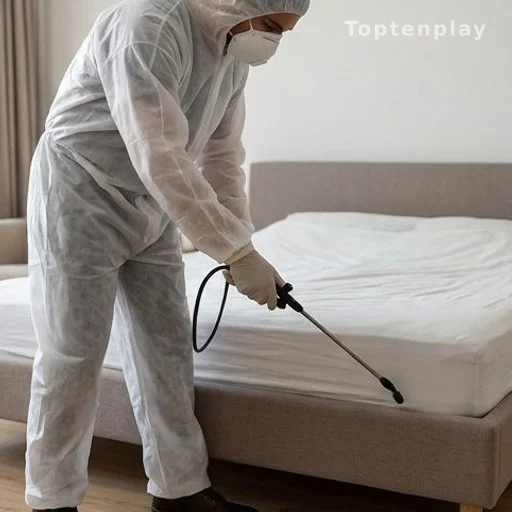
For larger infestations, professional pest control is generally the most effective route. Bed bugs can survive for months without feeding, meaning that simply changing sheets or applying household insecticides is unlikely to eliminate the problem entirely. Professional treatment combined with thorough cleaning offers the best chance of complete eradication.
Prevention matters too: regularly washing bedding, reducing bedroom clutter, inspecting second-hand furniture before bringing it indoors, and checking hotel beds while traveling all help reduce the risk of an infestation taking hold.
The key open question for anyone dealing with recurring bites is whether the cause is truly bed bugs or another condition — a distinction that shapes the entire response. For households that have confirmed an infestation, the effectiveness of professional treatment will determine whether follow-up inspections are needed in the weeks ahead. Travelers returning from stays in hotels or shared accommodation should also remain alert to the possibility of having inadvertently transported insects home in luggage or clothing.