📌 Italian-style cabbage gratin: the Mediterranean recipe that transforms a humble vegetable into a comforting dish in 1h10
Posted 25 March 2026 by: Admin
Origins And Fundamentals Of Italian-Style Cabbage Gratin
Cabbage, cultivated for millennia, is one of the pillars of Mediterranean and European cuisine. Appreciated for its robustness and nutritional value, this ancient vegetable has crossed centuries by adapting to regional culinary traditions, from rustic stews to refined gratins.
In Italy, “sformati” embody this centuries-old tradition of vegetable gratins. These emblematic preparations ingeniously combine vegetables, meats, and cheeses to create complete and flavorful dishes, true symbols of Mediterranean generosity. Italian-style cabbage gratin is directly part of this gastronomic heritage, while borrowing an essential French technique: the gratin.
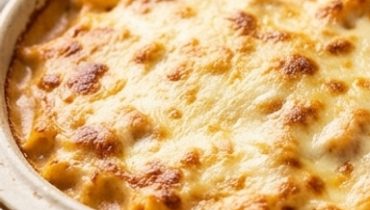
This fusion reveals all its culinary intelligence. The French technique of gratin, which consists of baking a dish in the oven with a layer of grated cheese creating a golden and crispy crust, meets the sunny flavors of the Mediterranean here. The result? A perfect contrast between the melting cabbage, the richness of the meat flavored with Italian herbs, and this irresistibly crunchy gratin crust.
This comforting dish embodies the balance sought in Mediterranean cuisine: simple ingredients enhanced by mastered techniques. The cabbage provides fiber and tenderness, the ground meat provides protein and texture, while the tomatoes soften the whole with their fruity acidity. The final gratin layer seals this culinary harmony, transforming modest ingredients into a dish worthy of the best Italian tables.
Composition And Architecture Of The Dish
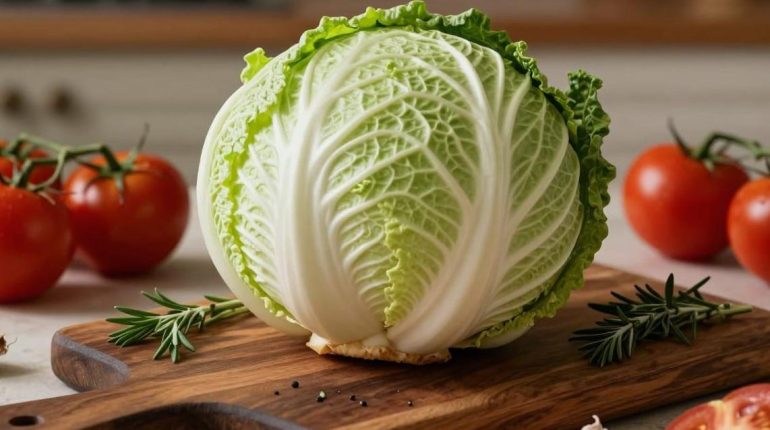
The success of this Mediterranean gratin relies on an architecture of three complementary layers, each bringing specific texture and flavor. For four people, the vegetable base is built around a savoy or white cabbage, blanched with lemon juice to preserve its vibrant color and eliminate any residual bitterness.
The Mediterranean filling constitutes the aromatic heart of the dish. Four hundred grams of ground meat – beef, veal, or a mixture according to preference – are combined with two fleshy tomatoes, one onion, two cloves of garlic, five slightly crushed cumin seeds, and herbs de Provence. This combination creates a balance between meaty richness and vegetable freshness, while the aromatics diffuse their characteristic scents of Italian cuisine.
The final gratin layer seals the whole with fifty grams of grated cheese – Parmesan for an intense golden crust, Grana Padano for its finesse, or mozzarella for its creamy melt. One hundred milliliters of crème fraîche, optional, can enrich the texture by providing additional smoothness and indulgence.
This technical construction, accessible even to beginner cooks, takes a total of one hour and ten minutes for an easy to intermediate difficulty. The ingredients, available in any store, are transformed into a sophisticated dish through thoughtful assembly and controlled cooking. The cabbage brings fiber and tenderness, the tomatoes balance acidity and sweetness, the meat provides protein and structure, while the cheese creates that crispy contrast that makes all the difference between a simple vegetable dish and a true Italian-style gratin.
Three-Phase Realization Process
The first phase begins with blanching the cabbage, an indispensable step that transforms this robust vegetable into a melting base. Plunge the cabbage quarters, cleared of their fibrous core, into boiling salted water with the juice of half a lemon. Five to seven minutes are enough to soften the leaves while preserving their hold, while the lemon acidity neutralizes natural bitterness and fixes the green color. Drain carefully on a clean cloth to eliminate excess moisture that would soak the gratin.
The second phase builds the aromatic filling. In a pan with two tablespoons of heated olive oil, sauté the chopped onion and garlic until translucent. Incorporate the four hundred grams of ground meat, brown evenly, then season with salt, pepper, crushed cumin, and herbs de Provence. The diced tomatoes join the preparation for a simmer of five to seven minutes, creating a slightly thick texture that will not soak the cabbage during the final cooking.
The third phase seals the whole. Preheat the oven to 180°C. Arrange a first layer of blanched cabbage in an oiled dish, spread the meat-tomato filling, then cover with the remaining cabbage. Optionally coat with crème fraîche before generously sprinkling the grated cheese. Twenty-five to thirty minutes in the oven transform the ingredients into a bubbling gratin. For a golden and crispy crust, place under the grill for two to three minutes while watching closely. This thermal finish caramelizes the cheese and creates the textural contrast that characterizes great Mediterranean gratins.
Variations And Culinary Optimizations
Mediterranean adaptability is revealed in the many possible variations. For a vegetarian version, substitute the meat with cooked lentils, drained chickpeas, or crumbled tofu, enriched with diced zucchini, peppers, or eggplants. These additional vegetables bring texture and colors while preserving the nutritional balance of the original dish. The assembly remains identical, only the filling changes nature.
The reinforced Mediterranean version pushes the characteristic aromas further. Sprinkle some chopped black olives over the filling before cooking for an intense salty note. When serving, decorate with fresh chopped basil or flat-leaf parsley, and accompany with a drizzle of extra virgin olive oil that instantly enhances the flavors. This final touch transforms a family gratin into a restaurant-quality dish.
To lighten without sacrificing pleasure, opt for reduced-fat cheese and cream. Serve with a simply dressed green salad to balance the richness of the gratin. Nutritional values remain reasonable: 350 to 400 kilocalories per portion, twenty grams of protein, five grams of fiber.
Storage lasts two to three days in the refrigerator in an airtight container. Reheat for fifteen minutes at 160°C to regain the golden crust and melting heart. Let rest for ten minutes after initial cooking to allow the flavors to merge fully. This patience is rewarded with optimal gustatory harmony where each ingredient finds its right place in the Mediterranean balance.