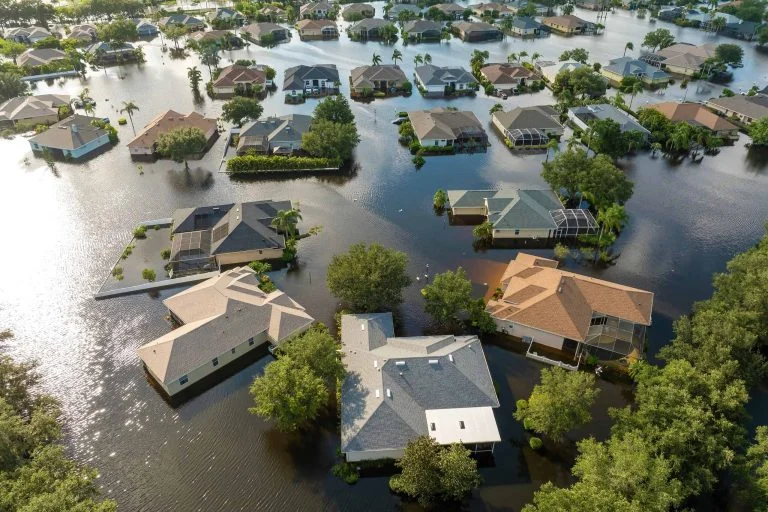
That dynamic created a false sense of security. Abundant capacity meant companies could buy coverage relatively cheaply, but the terms embedded in those policies — particularly around war, political violence, and sanctions — were quietly tightening even as headline prices fell.
The conflict changed the calculus instantly in specific segments. George estimates political violence and war market losses from the region at roughly $3 billion to $4 billion — real money for a specialty market, he notes, even if it does not threaten global insurance broadly. Because the pool of premium in the political violence segment is small, a loss of that scale hits it disproportionately hard, and pricing has already seen what George calls "significant shifts."
The Strait of Hormuz and the rerouting costs no policy covers
The Strait of Hormuz sits at the center of the conflict’s insurance implications. According to the Energy Information Administration, nearly 34% of global crude oil trade passed through it in 2025. When the strait became a conflict zone, marine insurers began repricing and restricting what they would cover for vessels transiting the corridor.
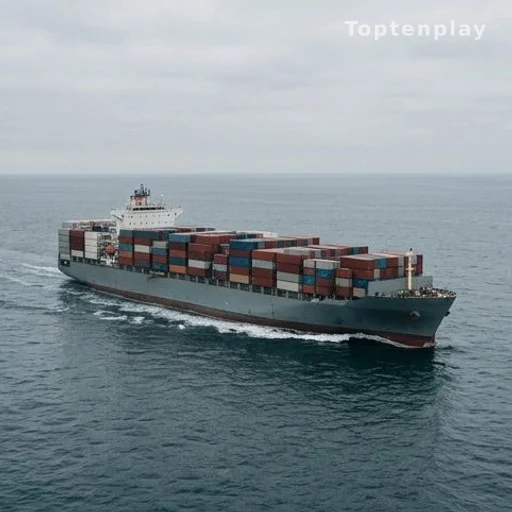
Marine policies typically include what George calls "breach areas" or warranty zones — regions that trigger a notice-of-cancellation clause, usually within 24 to 48 hours. The clause is less a termination than a forced renegotiation: brokers return to market and typically pay an extra premium or accept restricted coverage to keep a vessel moving through a high-risk zone.
Yet insurance terms are not the primary reason ships are avoiding the strait. George is direct on this point: "It’s the prudent operators saying, ‘We do not want to put our crew in harm’s way.’" The commercial consequence of that caution falls on cargo owners.
Voluntary rerouting around the Cape of Good Hope rather than through the strait adds substantial freight, fuel, and delay costs — and those costs, according to Carlton Wilde, a partner at Houston-based law firm Bracewell who represents corporate policyholders in coverage disputes, "typically fall outside covered perils." Companies are absorbing those expenses themselves, often with no clear end date.
Israel, Iran, Lebanon: three very different coverage landscapes
The conflict has produced starkly different insurance outcomes depending on which country’s assets are involved. In Israel, the state-owned Inbal Insurance Company absorbs much of the property damage and business disruption through government mechanisms. Private insurance loss estimates, while significant, look modest relative to actual damage precisely because the state backstop is absorbing the bulk of it.

Iran presents a different problem entirely, and the reason is sanctions. "Even if a claim is facially valid and the policy clearly covers the loss, OFAC [Office of Foreign Asset Controls] regulations and EU sanctions rules can prohibit the actual transfer of claim proceeds if any party in the transaction chain has a nexus to a sanctioned person or jurisdiction," Wilde explains. Global insurers are not covering Iranian assets because they legally cannot; the risk sits with the Iranian state and whatever domestic mechanisms exist — themselves constrained by the same sanctions that exclude Western capital.
Suggested Posts

Kids’ meals for adults: the restaurant debate over portions and price
A simple question — "Is that for a child?" — has sparked a genuine debate in the restaurant world. When adults want to order…