Suivez-nous
28 May 2026

Hungarian Goulash: why paprika off the heat changes everything in this traditional recipe

Illustration image © TopTenPlay
Symbolbild © TopTenPlay

Publicité

The Origins Of A Hungarian Classic That Became Universal

Born in the pots of shepherds on the Hungarian plains, goulash embodies the excellence of peasant cuisine that has conquered tables worldwide. This transformation of a rustic stew into a culinary emblem rests on a fascinating paradox: simple in its ingredients but deep in flavor, this peasant dish has become a great classic of family tables.

At the heart of this alchemy is paprika, the red spice that defines the gustatory identity of Central Europe. Much more than a simple seasoning, it gives goulash its flamboyant color and characteristic sweetness, an aromatic signature that spans generations. Hungarian peasants understood that the quality of a dish does not depend on the exoticism of the ingredients, but on their harmonious marriage and the patience granted to their transformation.

This comforting generosity makes goulash much more than a simple stew: it becomes a ritual of sharing on cool days, a moment of conviviality where the steaming pot gathers everyone around it. Its rich and slightly spicy sauce, the result of long simmering, warms the body as much as the heart. The authenticity of this recipe lies precisely in this ability to create the extraordinary from the ordinary, transforming meat, onions, and paprika into a gustatory symphony that crosses borders and eras.

Publicité

Illustration image © TopTenPlay
Symbolbild © TopTenPlay

The Alchemy Of Ingredients: Decoding A Recipe For 4 People

This gustatory symphony rests on a meticulous selection of essential components, orchestrated with precision. At the center of the arrangement: 800 grams of braising beef, chuck or blade, cut into regular cubes. These gelatinous pieces, rich in collagen, transform during long cooking into melt-in-the-mouth morsels that absorb the surrounding aromas.

The aromatic trio constitutes the sapid backbone of the goulash: three large finely sliced onions form the creamy base, three cloves of garlic bring their pungent depth, while an optional red pepper adds its sugary sweetness. But the revolutionary element remains indisputably the three tablespoons of sweet paprika, this signature spice that transforms a simple stew into a Hungarian masterpiece.

The balance between fats and liquid determines the final texture: 40 grams of butter or three tablespoons of oil caramelize the onions, 75 centiliters of hot broth create this characteristic coating sauce. Crushed tomatoes and bay leaves complete this meticulously calibrated gustatory architecture.

Publicité

Temporality plays a determining role: 25 minutes of active preparation precede two hours of passive cooking, a period during which the true magic happens. This patience rewards generously, as every additional minute deepens the harmony between meat, vegetables, and spices, creating that depth that distinguishes the authentic from the mediocre.

Illustration image © TopTenPlay
Symbolbild © TopTenPlay

The Technique In 7 Steps: Secrets Of Mastered Cooking

This meticulously calibrated gustatory architecture requires rigorous execution, where every technical gesture transforms raw ingredients into a culinary symphony. The first step determines everything: melting the onions for 10 to 15 minutes until an almost candied texture is obtained constitutes the absolute aromatic foundation. This initial patience develops natural sugars and creates the characteristic creaminess of the dish.

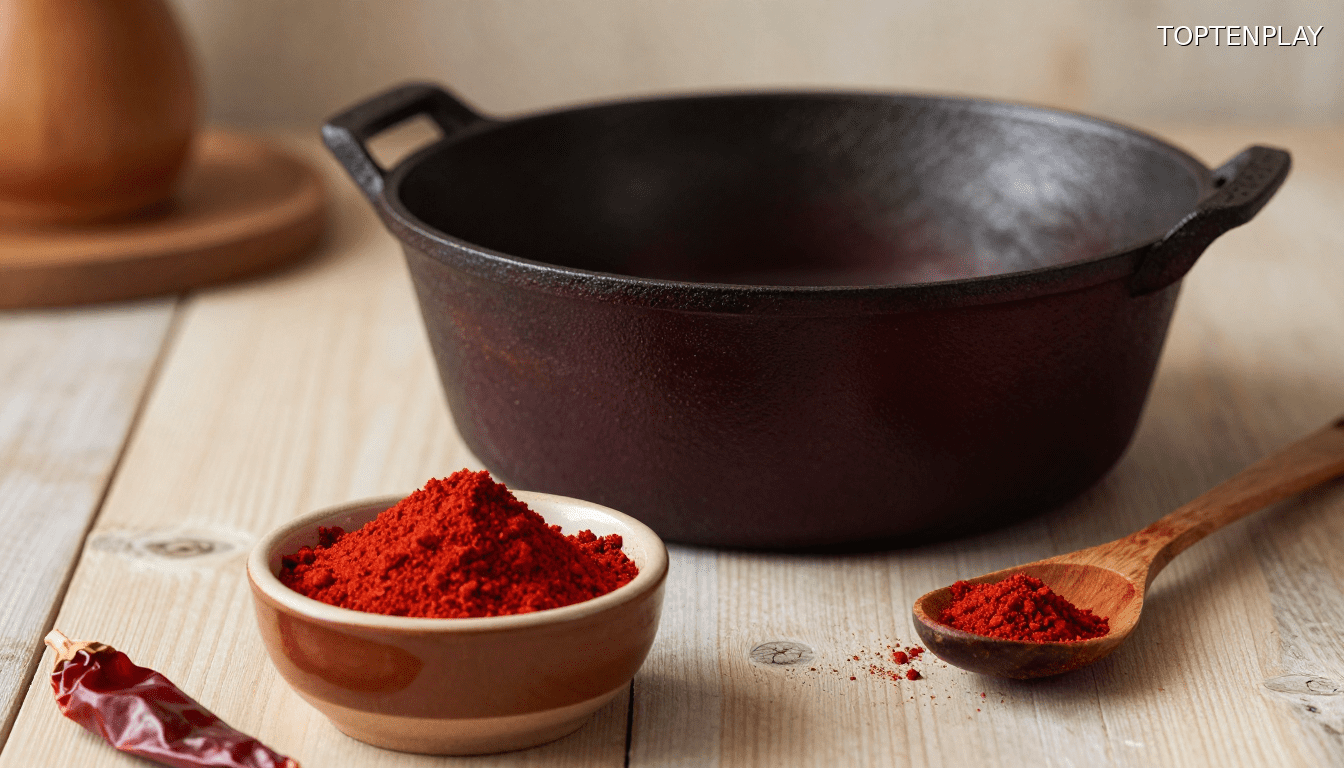
The incorporation of paprika reveals a crucial secret often neglected: briefly removing the pot from the heat before adding the spice preserves its delicate aromas. Exposed directly to excessive heat, paprika burns and releases an undesirable bitterness that ruins the sought-after balance. This off-heat technical gesture radically differentiates the authentic from the mediocre.

Publicité

The long and gentle cooking of 1.5 to 2 hours performs the true alchemy: the collagen in the meat transforms into gelatin, the flavors merge progressively, the sauce thickens naturally. Minimal heat, partially covered pot, regular monitoring: this temporal discipline generously rewards those who resist the temptation to speed up the process.

Publicité
Partager sur Facebook