📌 Homemade bread in 1.5 hours: the ultra-simple yogurt recipe that replaces the bakery and bread machine
Posted 25 January 2026 by: Admin
The Secrets Of An Infallible Homemade Bread Recipe
In the world of home baking, certain recipes stand out for their disconcerting simplicity and formidable effectiveness. This homemade bread relies on a combination of ingredients that everyone already has: flour, milk, yogurt, and olive oil. No sophisticated equipment, no mysterious techniques reserved for professionals.
The real asset of this preparation lies in the strategic combination of yogurt and lukewarm milk. This alliance produces a soft texture difficult to reproduce with other techniques. The yogurt brings creaminess and a slight acidity, while the milk activates the yeast while softening the dough. Olive oil completes this trio by guaranteeing flexibility and preservation.
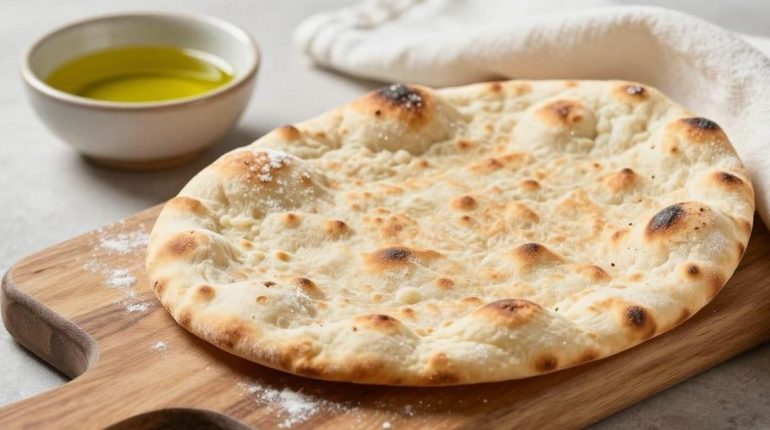
Versatility is the other major strength of these flatbreads. At breakfast, they advantageously replace industrial pastries. As an accompaniment, they enhance soups, salads, or stews. This adaptability explains why the recipe appeals to both beginners and experienced cooks: everyone finds what they need according to the moment.
Accessible without compromising on quality, this formula promises to become a permanent fixture in your culinary repertoire. Precise proportions and a methodical process eliminate any risk of failure, transforming home baking into a daily gesture rather than an occasional feat.
Precise Composition: Dosages And Ingredients Revealed
This formula relies on 600g of flour, the reference quantity that determines all other proportions. Success begins with the activation of the yeast: 10g of dry yeast combined with 10g of sugar and 400ml of lukewarm milk. This triad triggers fermentation, creating the air bubbles that give the bread its characteristic lightness. The milk must be heated to body temperature, neither hot nor cold, to wake the yeast without killing it.
The secret to the soft texture lies in two complementary ingredients: 40g of plain yogurt and 30ml of olive oil. The yogurt enriches the dough with lactic proteins while creating a tender crumb that stays fresh longer. Olive oil, for its part, prevents drying and facilitates the working of the dough during kneading. These two elements transform a simple bread into a gourmet product with superior organoleptic qualities.
The final balance relies on 8g of salt, a precise dosage that reveals flavors without dominating. Too much salt would block fermentation, too little would produce a bland bread. This exact measurement harmonizes all components and guarantees a balanced taste.
Every gram counts in this calibrated recipe. The proportions are not the result of chance but of a proven baking logic, where each ingredient fulfills a precise technical function in service of the final result.
The Step-By-Step Manufacturing Process
The baking logic that governs these proportions is fully expressed during manufacturing. Allow 1.5 hours in total, a period during which fermentation takes center stage. This resting phase is not dead time: it is the moment when the yeast transforms sugars, develops aromas, and creates the honeycomb structure characteristic of good bread.
Kneading follows a golden rule: incorporate the flour gradually rather than all at once. Start by activating the yeast in the lukewarm milk with the sugar, then add yogurt and olive oil. Then pour in the flour in several stages while working the dough, until you obtain a flexible consistency that no longer sticks to the fingers. This gradual method allows the ingredients to blend uniformly, avoiding lumps and guaranteeing a homogeneous texture.
Shaping requires a floured work surface. Use extra flour to prevent the dough from sticking during rolling, without excess so as not to dry out the product. Divide the mass into equal portions, flatten them into cakes of regular thickness. Every gesture counts: uniform pressure ensures even cooking.
Fermentation integrated into the process requires no sophisticated equipment. A simple clean cloth covering the dough pieces in a temperate place is enough. This technical simplicity makes the recipe accessible while preserving the authenticity of the artisanal result.
A Homemade Bread With Multiple Uses
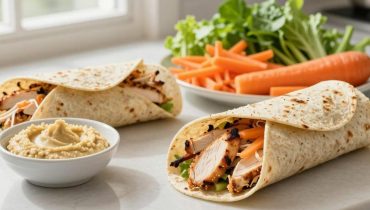
This artisanal authenticity leads to remarkable versatility. The resulting flatbread format naturally adapts to all times of day. At breakfast, spread it with jam or butter; as an accompaniment, serve it with stews, salads, or mezze. Its soft texture makes it an ideal base for wraps, rolled sandwiches, or creative toppings.
Unlike standardized industrial breads, these homemade flatbreads offer incomparable freshness. Their slightly tangy flavor, brought by the yogurt, and their flexibility allow them to be folded without breaking. Reheated for a few seconds in a pan, they regain their original softness even after storage.
Simplicity of execution encourages experimentation. Add fresh herbs to the dough, brush with melted garlic after cooking, sprinkle with sesame seeds before baking. Each variation personalizes the base recipe without compromising its proven structure.
This homemade alternative transforms a daily gesture – buying bread – into a rewarding culinary act. The satisfaction of producing a fundamental food yourself with simple ingredients goes far beyond the scope of a simple recipe. It reinstates bread into a logic of accessible know-how, where quality and control of components become the norm rather than the exception.