📌 Guava leaf tea: how this infusion acts on digestion, blood sugar, and skin
Posted 22 January 2026 by: Admin
The Origins And Global Renaissance Of Guava Leaf Tea
In the tropical regions of Southeast Asia and Latin America, guava leaf tea has been passed down through generations as a daily wellness ritual. Away from the Western spotlight, this infusion accompanied moments of difficult digestion, periods of fatigue, or simply moments of contemplative pause.
Today, this ancestral drink is gaining international recognition driven by the growing quest for natural solutions. Urban consumers, saturated with synthetic food supplements, are turning to these traditional practices for their simplicity and authenticity. Guava tea embodies this transition: a complementary approach that does not claim to replace any medical treatment but offers gentle support to the contemporary lifestyle.
This renaissance is explained by a rare balance. Unlike ephemeral wellness trends promising miraculous transformations, guava leaf tea positions itself honestly: an accessible, economical, and easy-to-prepare ally. Its global democratization reflects a maturity of the public, now capable of distinguishing aggressive marketing from true traditions proven by centuries of empirical use.
This historical legitimacy explains why contemporary nutritionists and herbalists are now integrating this infusion into their recommendations, not as a panacea, but as a cornerstone of a balanced routine.
Artisanal Preparation: The Authentic Recipe In 5 Steps
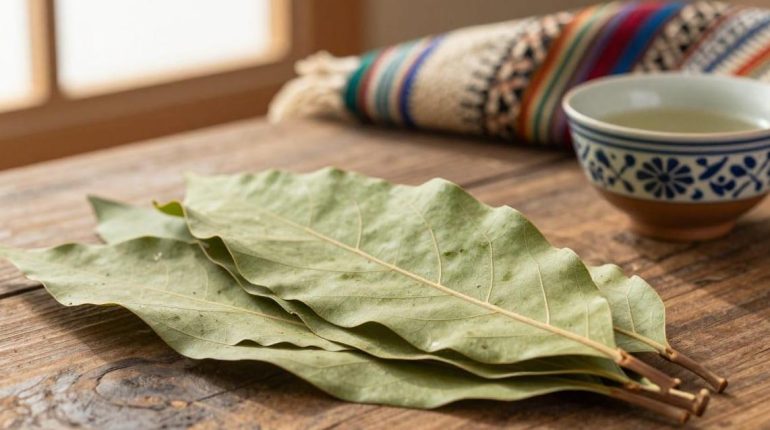
This accessibility finds its best expression in the simplicity of preparation. To obtain an authentic cup of guava leaf tea, all you need are 6 dried leaves, 250 ml of water, and optionally a cinnamon stick to enrich the aroma. Young or medium-sized leaves offer a milder infusion, less bitter than their mature counterparts.
The process begins by boiling a quarter liter of water for one minute. During this time, rinse the dried leaves carefully before lightly crushing them between your fingers. This gesture releases the active compounds contained in the plant cells. Once the water is boiling, add the prepared leaves, cover the container, and let infuse for exactly 10 minutes. This duration allows for optimal extraction without excess tannins.
The optional addition of cinnamon transforms the flavor profile by providing a spicy warmth that naturally softens the residual bitterness. After filtration, the tea can be consumed hot for an immediate comforting effect, or cooled for a refreshing afternoon version. This flexibility explains why this drink adapts to tropical climates as well as temperate winters.
Beyond the technique, this ritualized preparation offers a moment of disconnection. In a daily life saturated with solicitations, these ten minutes of infusion impose a contemplative pause, preparing the body and mind for the potential benefits of this millennial tradition.
The 5 Potential Benefits Validated By Traditional Use
These benefits, passed down from generation to generation, now find an echo in contemporary nutritional research. Digestive comfort is the most documented property: the phenolic compounds in guava leaves interact with the intestinal mucosa to soothe bloating and occasional discomfort. In the traditional medicines of Latin America and Southeast Asia, this infusion systematically accompanied heavy meals.
Glycemic balance represents a second area of interest. Several studies suggest that certain tannins contained in the leaves could slow down the absorption of carbohydrates, thus contributing to maintaining stable energy levels throughout the day. This action explains its growing integration into wellness routines focused on metabolic regulation.
Naturally calorie-free, this drink fits perfectly into conscious eating practices. The antioxidants it contains, notably flavonoids and polyphenols, protect cells from oxidative stress related to the environment and aging. This cellular protection also manifests at the skin level: regular consumption could promote clearer and more balanced skin, although results vary significantly among individuals.
These properties do not constitute therapeutic promises but complementary supports to a balanced lifestyle. Perceived effectiveness depends largely on the quality of the leaves, regularity of consumption, and overall lifestyle. This essential nuance determines the recommendations for responsible use.
Usage Recommendations And Essential Precautions
This distinction between natural support and medical treatment imposes a rigorous framework for use. The limitation to 1 to 2 cups daily stems from empirical observations: beyond this threshold, certain tannic compounds can cause gastric irritation or interfere with iron absorption. Pregnant or breastfeeding women must consult a healthcare professional before any consumption, as certain active principles can cross the placental barrier or pass into breast milk.
People under antidiabetic or anticoagulant treatment also require prior medical advice. The tannins in guava leaves could potentiate the effect of certain hypoglycemic drugs, creating a risk of hypoglycemia. This potential interaction emphasizes that this infusion never substitutes for a prescribed treatment or adequate hydration with pure water.
Optimal integration takes place in a global wellness routine: consumed in the morning to accompany breakfast or in the late afternoon to promote digestion, it naturally finds its place without disrupting existing habits. Its low cost and simple preparation make it accessible to the greatest number, provided the leaves come from reliable sources, ideally from organic farming to avoid pesticide residues.
This balanced approach guarantees a positive and lasting experience. Guava leaf tea thus becomes a soothing daily ritual, anchored in a conscious wellness approach that respects each person’s physiological limits.