The Culinary Heritage Of A Universal Dish
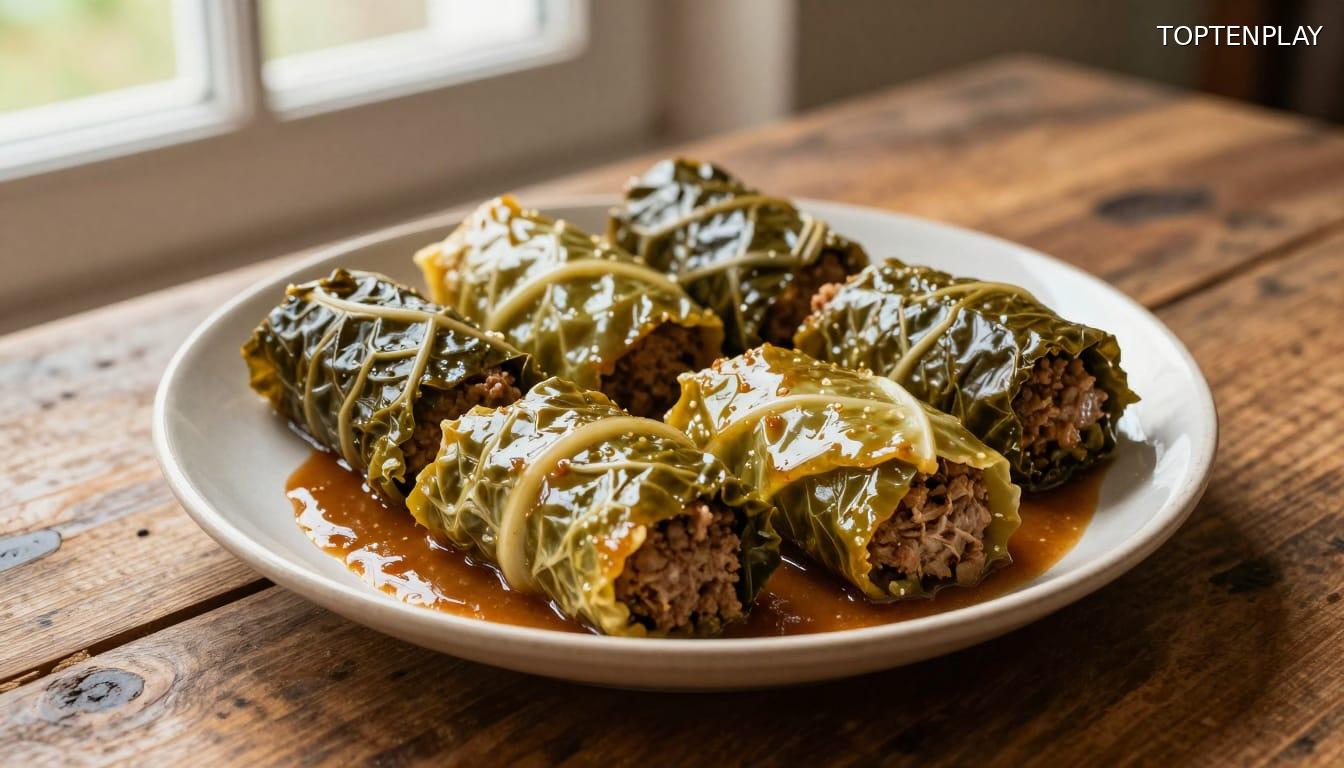
The marriage of ground beef and cabbage crosses borders with remarkable consistency. In Eastern Europe, stuffed cabbage rolls go by different names depending on the country – golabki in Poland, sarma in the Balkans, holubtsi in Ukraine – but share the same culinary philosophy: wrapping ground meat and rice in cabbage leaves and simmering them in a tomato sauce. These laborious preparations, passed down from generation to generation, required time and patience to roll each portion individually.
The modern skillet version represents a bold deconstruction of this centuries-old tradition. Rather than meticulously assembling rolls, this adaptation brings the same ingredients together in a single pan, preserving authentic flavors while cutting preparation time by two-thirds. This transformation perfectly illustrates how family kitchens adapt their heritage to contemporary constraints without sacrificing the essence of the dish.
In Ireland, corned beef and cabbage embodies another facet of this culinary alliance, particularly celebrated in Irish-American communities. In Asia, beef and cabbage stir-fries offer a different but equally compelling balance of textures and flavors. This multicultural presence reveals a fundamental truth: certain ingredient combinations transcend geography because they meet universal needs for economy, nutrition, and comfort.
Why This Dish Is Conquering Modern Kitchens
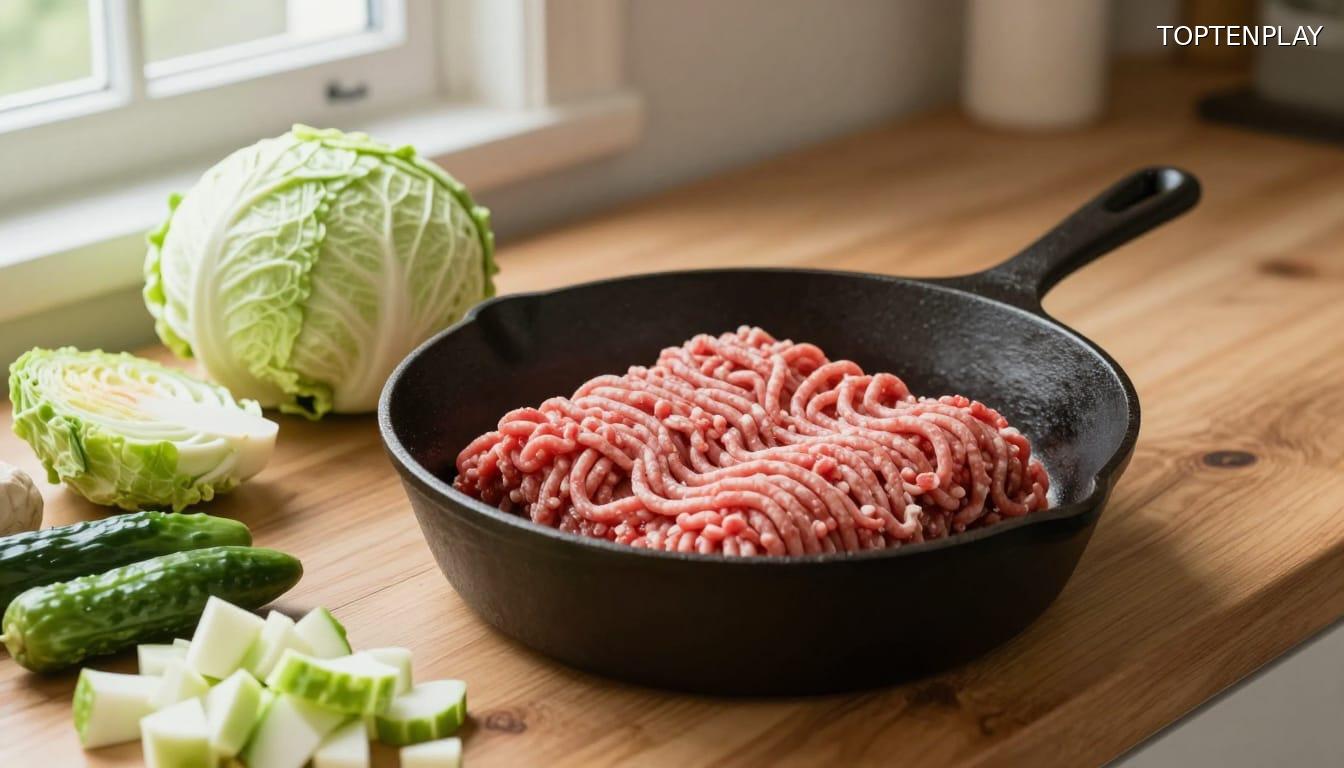
This metamorphosis toward the skillet version is no accident. It responds to a triple contemporary demand: speed of execution, financial accessibility, and nutritional flexibility. Where traditional cabbage rolls monopolized an entire afternoon, the deconstructed version delivers a complete meal in thirty minutes, perfectly adapted to today’s pace of life.
The economic equation particularly appeals to budget-conscious households. With one pound (450 grams) of ground beef – one of the most affordable proteins on the market – and a head of cabbage available year-round for a few dollars, this dish easily feeds four to six people. This ability to transform modest ingredients into a substantial meal explains its growing popularity in the face of food inflation.
Versatility is its third major asset. Ground beef accepts all seasoning profiles, from Hungarian paprika to Mexican cumin. Cabbage, a chameleon vegetable, absorbs surrounding flavors while retaining its characteristic crunch. This adaptability allows for adjusting spices, additional vegetables, or sauces according to family preferences without altering the dish’s structure.
For followers of low-carb or ketogenic diets, this skillet represents a strategic discovery. Naturally low in carbohydrates and rich in protein and fiber, it provides lasting satiety without blood sugar spikes. This spontaneous nutritional compatibility, without needing to modify the original recipe, transforms a traditional dish into a modern health ally, bridging culinary heritage and contemporary concerns.

Nutritional Profile And Health Benefits
Beyond its economic accessibility, this dish delivers remarkable nutritional density. Ground beef provides high-value biological proteins, bioavailable heme iron, vitamin B12 essential for the nervous system, and immune-boosting zinc. These nutrients, often deficient in vegetarian diets, are brought together here in an easily assimilable matrix.
Cabbage makes its own scientifically documented contribution. Its soluble fibers promote intestinal transit and a prolonged feeling of fullness. Its richness in vitamin C – an average cabbage covers 54% of daily needs – strengthens immune defenses, while vitamin K supports blood clotting and bone health. Glucosinolates, sulfur compounds characteristic of cruciferous vegetables, exhibit antioxidant properties studied for their cellular protective potential.
Canned tomatoes, far from being a simple flavor enhancer, concentrate lycopene after thermal processing. This carotenoid antioxidant, associated in several epidemiological studies with a reduction in cardiovascular risks, sees its bioavailability increased by cooking and the presence of lipids – here, olive oil and beef fats create an optimal absorption synergy.
Garlic and onion complete this nutritional picture with their sulfur compounds that have documented anti-inflammatory effects. With less than 15 grams of net carbs per generous portion, this dish displays an ideal metabolic profile for maintaining glycemic stability and nutritional ketosis, transforming dietary constraints into culinary pleasure without nutritional compromise.
The Detailed Classic Recipe
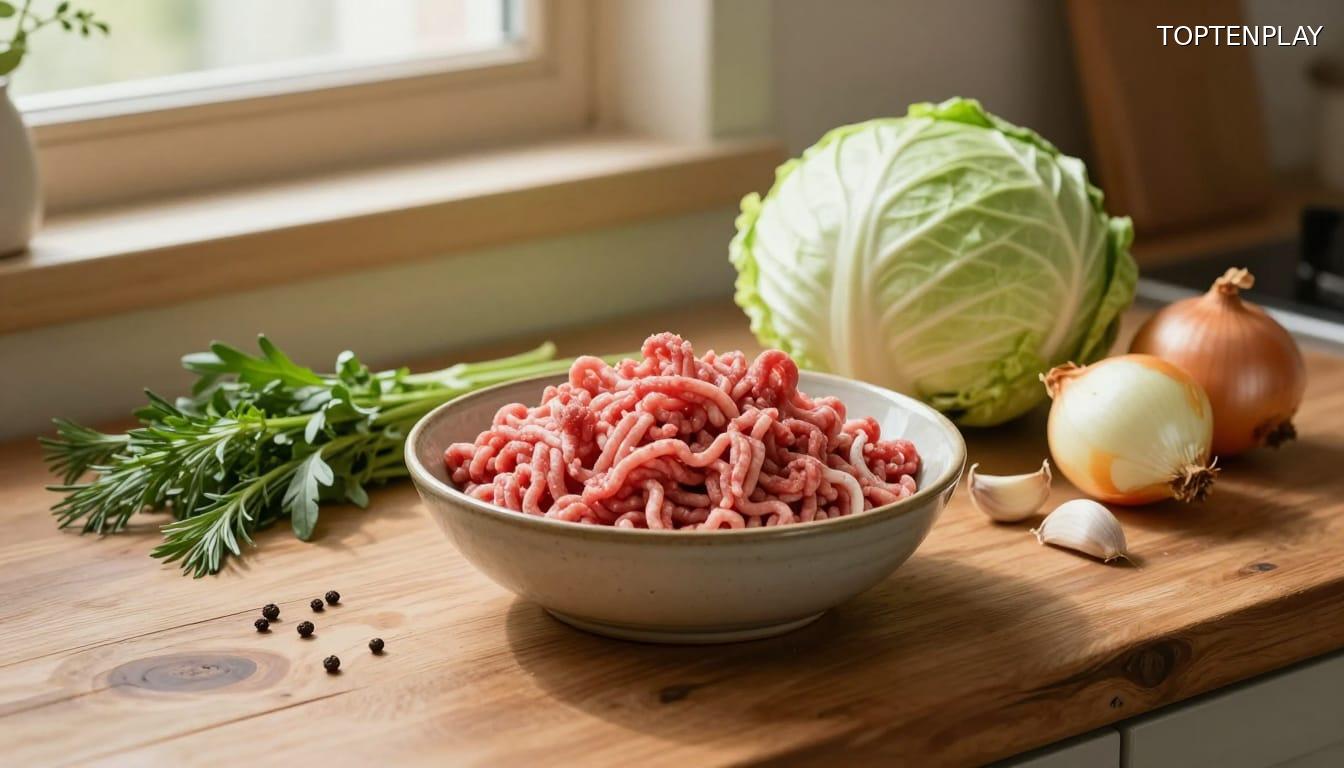
This preparation relies on a deliberately restricted list of ingredients, prioritizing efficiency and availability. For four generous portions, gather 1 pound (450 grams) of ground beef (80/20 for flavor-texture balance), one small green cabbage coarsely shredded, one diced yellow onion, two finely minced garlic cloves, one 14.5-ounce (411 grams) can of crushed tomatoes, one tablespoon of tomato paste to double the umami, and two tablespoons of extra-virgin olive oil.
The aromatic arsenal is limited to the essentials: one teaspoon of sweet paprika providing color and smoky depth, one teaspoon of dried Italian herbs or thyme for an herbal dimension, salt, and freshly ground black pepper to taste. Red pepper flakes remain optional for a bolder character. Fresh chopped parsley, reserved for the finish, introduces freshness contrasting with the simmered richness of the dish.
The one-pan format eliminates the need for multiple utensils and cleaning time. Unlike stuffed cabbage rolls requiring leaf blanching, meticulous rolling, and prolonged oven baking, this deconstructed version delivers comparable results in exactly thirty minutes. Each ingredient maintains tested proportions to guarantee flavor balance – the precise amount of tomato paste intensifies without dominating, and the cabbage-to-meat ratio ensures vegetable generosity without diluting the meaty character.
This simplified culinary architecture reflects decades of domestic optimization, where gastronomic traditions meet contemporary pragmatism to create a technical foundation accessible even to novice cooks.