📌 Garlic and cardiovascular health: how allicin acts on blood pressure and cholesterol
Posted 20 March 2026 by: Admin
Garlic And Its Bioactive Compounds: The Science Behind Its Power
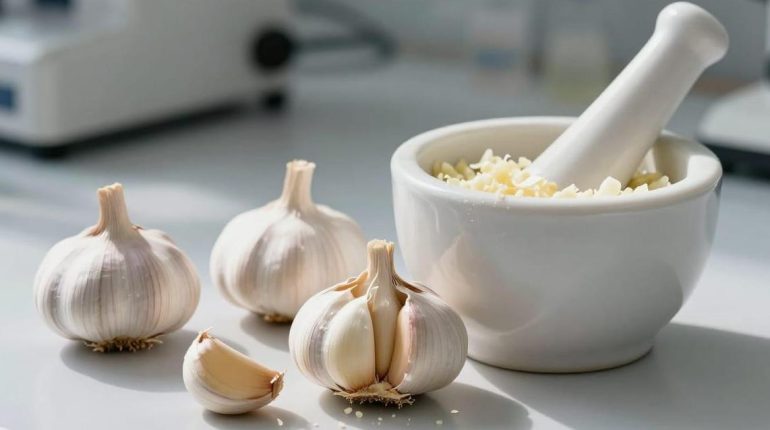
Garlic (_Allium sativum_) owes its millennial reputation to a remarkable biochemical alchemy. When a clove is crushed or chopped, an enzyme called alliinase comes into contact with alliin, a sulfur-containing amino acid present in intact cells. This encounter triggers an instantaneous chemical transformation: allicin is formed, the volatile compound responsible for the characteristic odor and documented therapeutic properties.
This unstable molecule does not exist in whole garlic. It appears only during cellular rupture, explaining why the preparation method determines the effectiveness of the final product. Research identifies anti-inflammatory properties in allicin capable of modulating immune responses, antioxidant effects neutralizing free radicals, and antimicrobial activity targeting pathogenic bacteria and fungi.
Beyond allicin, garlic contains more than 100 secondary sulfur compounds — diallyl disulfide, ajoene, S-allylcysteine — which persist even after cooking. These molecules act in synergy to support cardiovascular health and protect cells from oxidative stress. Modern science thus confirms what medicinal traditions sensed: properly processed garlic becomes a true functional food, provided a simple but crucial gesture is respected.
Crushing fresh garlic and letting it rest for 5 to 10 minutes before consumption maximizes allicin production. This pause allows the enzymatic reaction to fully complete, releasing the therapeutic potential concentrated in each clove.
Benefits Validated By Research: From The Immune System To Cardiovascular Health
This biochemical activation translates into measurable effects on several body systems. Clinical studies document garlic’s ability to reduce chronic inflammation, the silent process that affects joints, muscles, and connective tissues. Sulfur compounds inhibit certain pro-inflammatory enzymes, offering potential relief for joint discomfort without replacing prescribed medical treatments.
On the immune level, research suggests that regular supplementation decreases the frequency of common seasonal ailments. A meta-analysis reveals that participants consuming aged garlic report 63% fewer winter infectious episodes compared to control groups. These antimicrobial properties are explained by the disruption that allicin causes in bacterial and fungal membranes.
The cardiovascular system also benefits from regular consumption. Data indicate that garlic promotes healthy blood pressure levels by stimulating the production of nitric oxide, a molecule that relaxes blood vessels. At the same time, some trials demonstrate a modest reduction in LDL cholesterol and an improvement in peripheral circulation, effects optimized when garlic is integrated into an overall balanced lifestyle.
The antioxidants contained in garlic neutralize the oxidative stress responsible for accelerated cellular aging. This protection occurs at the mitochondrial level, where free radicals damage DNA and protein structures. The prebiotic action on the intestinal microbiome constitutes a final asset: feeding beneficial bacteria strengthens the digestive barrier and modulates systemic immunity.
These documented benefits position garlic as a credible health ally, provided appropriate dosages and adequate preparations are respected.
Instructions For Use: How To Maximize Garlic’s Virtues Daily
These therapeutic properties are fully expressed only with precise preparation methods. Raw garlic remains the most potent form: crushing or finely chopping the cloves, then letting them rest for 5 to 10 minutes before consumption allows for optimal allicin formation. This crucial waiting time activates the alliinase enzyme which converts alliin into the bioactive compound. Then integrate it into salads, spread it on toast, or mix it into vinaigrettes to partially mask its intensity.
Cooking reduces the concentration of allicin but preserves other beneficial sulfur compounds. Prefer gentle cooking over moderate heat rather than aggressive frying which destroys more nutrients. Garlic confit at low temperature retains significant antioxidant activity while softening its pungent taste.
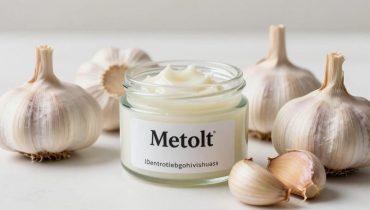
The garlic-honey mixture is a traditional preparation prized for its immune action. Crush several fresh cloves, incorporate them into raw unpasteurized honey, then store the mixture in an airtight jar. A daily teaspoon offers a synergy between the antimicrobial properties of garlic and the enzymes in honey.
For those put off by the taste or smell, aged garlic extract supplements offer a standardized alternative. Choose reputable brands guaranteeing a stable concentration of active compounds, although absorption differs from the whole food.
These methods transform an ordinary ingredient into a wellness tool, provided doses are adapted to individual tolerances and potential drug interactions.
Precautions And Traditional Context: Using Garlic Safely
These personalized adaptations are all the more necessary because garlic, despite its virtues, has documented contraindications. Excessive consumption frequently causes digestive disorders, heartburn, or persistent bad breath. More concerningly, garlic naturally thins the blood, which increases the risk of bleeding in people on anticoagulants (warfarin, aspirin) or approaching surgery. Any regular supplementation requires prior medical consultation for these at-risk populations.
Common dietary doses are between 1 and 2 fresh cloves daily. Beyond that, side effects intensify without demonstrated proportional benefit. People suffering from gastroesophageal reflux should limit their consumption of raw garlic, which is particularly irritating to fragile digestive mucous membranes.
Ancestral use of garlic spans civilizations: Egyptian builders consumed it for physical strength, traditional Chinese medicine integrated it into formulas promoting circulation, while the Mediterranean diet has made it a culinary and therapeutic pillar for millennia. These traditions converge with modern scientific discoveries, empirically validating what laboratories confirm today.
Garlic does not cure any disease in isolation. It works as a complement to an overall healthy lifestyle combining a balanced diet, regular physical activity, stress management, and appropriate medical follow-up. Intelligently integrated into this framework, it strengthens natural defenses without claiming to replace prescribed treatments.