📌 Franche-Comté Stuffed Cabbage: why poaching it in broth instead of the oven changes everything
Posted 7 March 2026 by: Admin
Stuffed Cabbage: An Emblematic Rustic Dish of French Tradition
Stuffed cabbage embodies the generosity of French peasant cuisine. Born in the traditional farms of several regions, this comforting dish comes in multiple versions depending on the local terroir. Some cooks bake it in the oven, topped with tomato sauce. Others prefer the Franche-Comté method: gentle cooking in broth that preserves the moistness of the meat and the tenderness of the leaves.
This poached technique radically distinguishes the recipe. The cabbage and its filling simmer slowly in an aromatic juice with root vegetables, absorbing the flavors while maintaining their melting texture. Chef Raymond Blanc revealed this approach in his book Blanc Mange, establishing it as a reference for lovers of authentic French cuisine.
The result? A generous dish served directly in its fragrant cooking juice, accompanied by vegetables from the broth and thick slices of crusty bread. Each bite offers the encounter between the spicy stuffing, the velvety cabbage, and the savory liquid that coats everything. This version respects the spirit of peasant recipes where nothing is wasted: the broth becomes an integral part of the dish, transforming a simple cabbage into a complete gourmet experience.
Savoy Cabbage: Key Ingredient and Secrets of the Perfect Stuffing
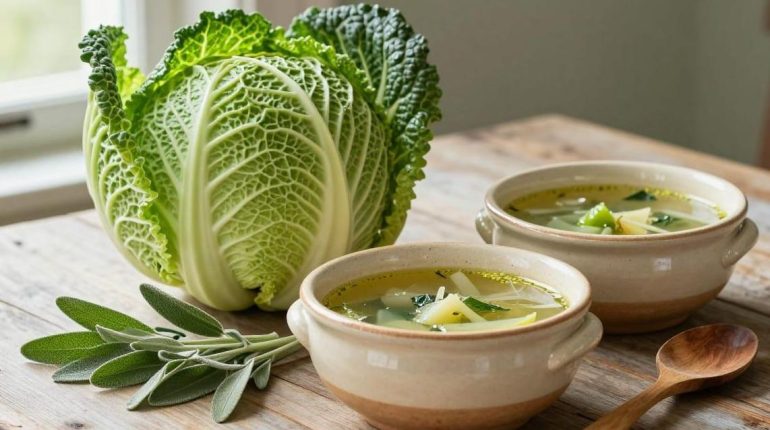
The success of this dish depends first on the choice of cabbage. Savoy cabbage is the essential variety thanks to its large, crinkled, and naturally flexible leaves. Unlike white cabbage, its leaves wrap around the stuffing without tearing, considerably facilitating assembly. A medium size allows for handling the whole thing without acrobatics: specimens that are too large unnecessarily complicate the reconstruction.
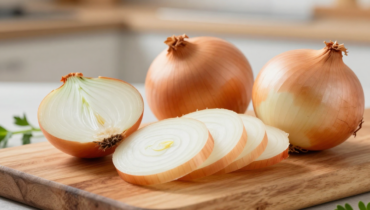
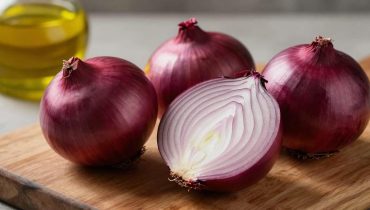
The traditional stuffing combines 750g of pork shoulder with 250g of pork belly or smoked bacon bits. This 3:1 ratio between lean meat and fat guarantees both moistness and character. Onion and garlic previously sautéed in olive oil until translucent bring their aromatic sweetness, while a tablespoon of finely chopped fresh sage signs the recipe with its distinctive herbal note. Two beaten eggs ensure the cohesion of the preparation.
This homemade stuffing far surpasses industrial versions, but French butchers often offer quality artisanal blends: an accepted traditional shortcut in many households. Ground beef or veal can also replace the pork without denaturing the spirit of the recipe. The essential lies in the balance between lean meat and fat, an indispensable condition so that after 1.5 hours of cooking, the stuffing remains juicy and flavorful rather than dry and compact.
Assembly Technique: Reconstructing the Cabbage Step by Step
Methodical organization transforms this intimidating operation into an accessible gesture. After detaching all the cabbage leaves while keeping the yellow heart intact, blanching is done in two stages: 30 seconds per batch for the large outer leaves, 2 minutes for the central heart. This quick pass through boiling salted water softens the fibers without weakening them. Careful draining then allows the stuffing to adhere correctly.
The secret lies in sorting the leaves beforehand by increasing size. This meticulous classification considerably speeds up reconstruction: a thin layer of stuffing is spread on each leaf before gradually placing them back around the blanched heart, starting with the smallest. The cabbage naturally regains its spherical shape as assembly progresses, each garnished leaf embracing the previous one.
Three kitchen strings tied firmly hold the structure together and outline regular wedges that will later facilitate cutting into portions. The reconstructed cabbage then joins the simmering broth prepared with carrots, turnips, thyme, bay leaf, and garlic. Minimum 1.5 hours covered over low heat allows the stuffing to cook completely while the leaves become meltingly tender. Regularly basting the surface with the fragrant juice guarantees even cooking. This gentle cooking in broth preserves the moisture of the meat while creating a savory juice that will become the soul of the dish at service.
Service and Variations: From Table to Plate
Gently removed from the broth by lifting the strings, the cabbage is placed on a solid board where cutting reveals the interior streaked with golden stuffing. After cutting the strings, a sharp knife slices 4 to 6 generous portions that reveal the concentric layers of tender leaves and fragrant meat. Each wedge finds its place in a shallow bowl accompanied by the steaming broth, the melting carrots, and pieces of turnip soaked in the cooking juices.
Crusty bread is an indispensable complement to absorb this full-bodied juice where the aromas of pork, sage, and simmered vegetables mingle. For pairings, an Alsatian Pinot Noir brings fruity freshness that contrasts pleasantly with the richness of the stuffing, while a Morgon deploys a more robust structure for palates seeking more body.
Time constraints or presentation needs justify a variation in individual parcels (paupiettes): three or four overlapping leaves trap the stuffing in tied rolls that cook in only 20 to 25 minutes. This adaptation is particularly suitable for dinners for two or for advance preparation. Stuffed cabbage keeps for two days in the refrigerator in an airtight container with its juice, and perfectly withstands freezing for up to two months, allowing you to anticipate comforting meals for winter evenings.