📌 Farm chicken with vanilla in rosettes: the technique of rolled strips that transforms a simple dish into a gastronomic creation
Posted 15 March 2026 by: Admin
Culinary Innovation: The Chicken Rosette Technique
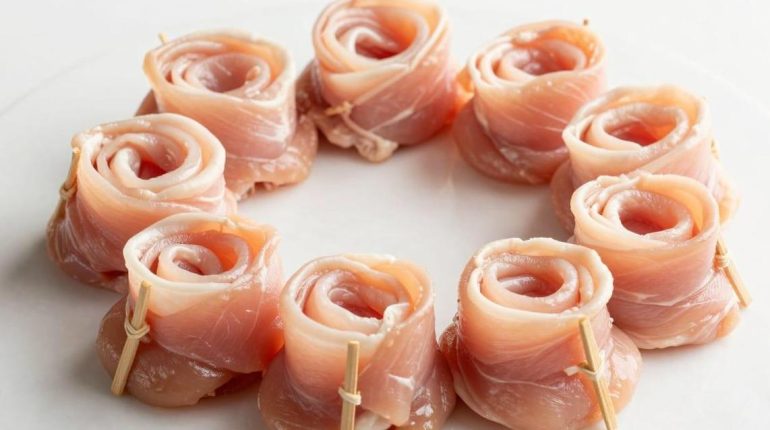
The recipe reveals a spectacular presentation technique that transforms simple fillets into floral creations worthy of a Michelin-starred table. The process relies on precise cutting: the Auvergne Farm Chicken fillets are sliced into thin strips along their entire length, then 4 to 5 strips are rolled together to form a rosette evoking the blooming of a rose. This culinary sculpture requires rigorous support: wooden picks pierce each creation to guarantee its hold during cooking.
The choice of Auvergne Farm Chicken is not accidental. This certified poultry provides firm and flavorful meat, essential for supporting the shaping without falling apart. Unlike standard chickens, its structured texture allows the strips to maintain their elasticity during rolling, thus ensuring the visual cohesion of the final dish.
This accessible presentation method democratizes a know-how once reserved for professional brigades. In a few mastered gestures, any amateur cook can transform ordinary poultry into a centerpiece worthy of a refined reception. The revelation lies in this deceptive simplicity: behind the sophisticated appearance hides a reproducible technique that requires no specialized equipment, just patience and precision. This modern artisanal approach redefines the boundaries between everyday cooking and exceptional gastronomy, opening the way to bold aromatic experiments.
The Bold Alliance: Vanilla And Honey Serving Poultry
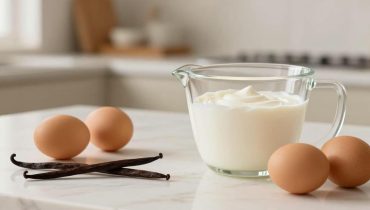
This aromatic experimentation relies on a taste gamble that breaks with the conventions of traditional French cuisine. The incorporation of a whole vanilla bean split in two and scraped into a poultry dish constitutes a deliberate transgression of established codes. The extracted black seeds, usually reserved for desserts, bring here an unexpected aromatic depth that transcends the simple cooking of the chicken.
The equation becomes more complex with the addition of 30 grams of honey, creating a sophisticated sweet-savory dialogue. This calibrated dose avoids the pitfall of imbalance: the honey subtly caramelizes on the surface of the rosettes without dominating, letting the vanilla deploy its floral and woody notes. The association works because Auvergne Farm Chicken has a pronounced flavor capable of standing up to these powerful scents.
The technical revelation lies in the meticulous scraping of the bean. This step, often rushed, determines the final aromatic intensity: each released seed concentrates the volatile compounds responsible for the dish’s olfactory signature. Unlike industrial extracts, natural vanilla brings a complexity impossible to reproduce artificially.
This bold sweet-savory marriage transforms farm poultry into a field of gastronomic exploration. Innovation lies not in technical prowess, but in the courage to associate ingredients that are theoretically opposites. This aromatic foundation, however, requires a setting worthy of it to fully reveal its potential.
Gourmet Foundations: Sweet Potatoes And Homemade Broth
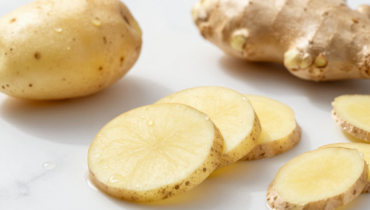
This taste architecture rests on three complementary pillars that build the base of the dish. The 250 grams of sweet potatoes bring an earthy sweetness that absorbs the vanilla and honey scents without stifling them. Their melting texture contrasts with the firmness of the chicken rosettes, creating a dynamic in the mouth essential to the balance of the dish.
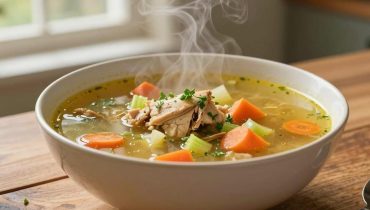
The half-liter of homemade chicken broth constitutes the aromatic vector that unifies the whole. Unlike industrial broths, this artisanal preparation dissolves flavors without bringing artificial notes. The sliced onion, infused in this liquid, releases its natural sugars during cooking, reinforcing the depth without adding superfluous complexity.
The 50 grams of butter intervene at the end to bind the components. This fat emulsifies the broth, coats the sweet potatoes, and glazes the rosettes with an appetizing shine. The butter also captures the aromatic compounds of the vanilla, prolonging their presence in the mouth long after swallowing.
This sweet potato-broth-butter combination does not function as a simple side dish: it forms the necessary setting that reveals the aromatic complexity of the scented rosettes. Without this carefully calibrated foundation, the boldness of the vanilla-honey association would remain a disembodied exercise in style. The question remains, however: does this gastronomic setup remain accessible to the amateur cook under time constraints?
The Time-Pleasure Equation: 50 Minutes For A Gastronomic Result
The answer lies in precise figures: 30 minutes of preparation and 20 minutes of cooking. This recipe calibrated for six people demonstrates that a dish worthy of a gastronomic restaurant does not require an entire day in the kitchen. Slicing the fillets into strips and assembling them into rosettes constitutes the bulk of the preparation time, while cooking takes place without major intervention.
The accessibility of this recipe lies in its linear structure: each step ends before the next begins. No multiple pans to monitor simultaneously, no complex techniques requiring years of learning. Splitting the vanilla bean and slicing the onion represent the only technical gestures, manageable after a first attempt.
This remarkable investment-time ratio transforms this recipe into a secret weapon for dinners where impression counts as much as taste. Fifty minutes separate the refrigerator from the moment the guests discover these floral creations on their plate. The refined presentation of the rosettes creates a surprise effect that suggests hours of preparation, while the technical reality remains within the reach of an organized amateur cook.
Time efficiency sacrifices nothing to taste quality: flavors have time to infuse, textures to develop, and the cook maintains control over their timing without unnecessary stress.