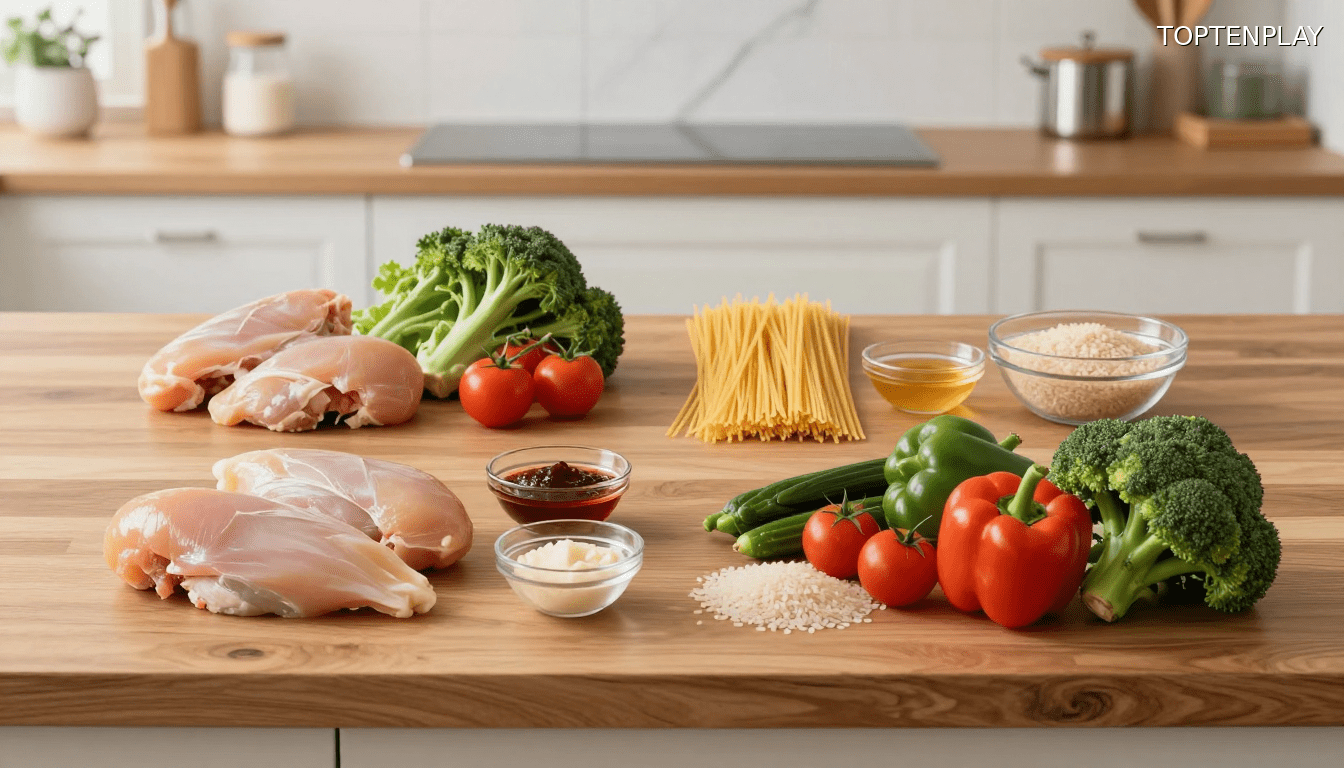
The Revolutionary Formula That Changes Everything In The Kitchen
Endless lists of ingredients and long-winded recipes are now a thing of the past. A surprisingly simple method is disrupting our culinary habits: the 1-2-3-4 formula, a system that transforms four categories of basic ingredients into an infinity of complete meals.
Unlike traditional recipes that freeze every preparation in rigid proportions, this approach is based on a principle that can be adapted at will. It is no longer about blindly following instructions, but about mastering a culinary logic applicable every weeknight. A single element selected from each of the four categories is enough to compose a balanced and tasty dinner.
This culinary revelation answers a universal frustration: that of constantly looking for new recipes while lacking the time to execute them. The formula eliminates this constraint by offering a permanent framework where creativity and practicality meet. No need to browse dozens of websites or cookbooks – the structure remains identical, only the ingredients vary according to your desires or what fills your refrigerator.
The efficiency of this system lies in its ability to generate hundreds of different combinations from about twenty common ingredients. Each category offers enough options to avoid any monotony, while maintaining remarkable simplicity of execution. This culinary architecture radically transforms our relationship with daily meal preparation.

The Four Pillars Of This Infallible Method
This culinary architecture is based on four precise categories, each playing a decisive role in the balance of the final dish. The first requires selecting 500 grams of protein: chicken pieces, ground meat, shrimp, salmon fillets, or plant-based alternatives like extra-firm tofu and canned chickpeas. This protein base constitutes the nutritional foundation of the meal.
The second pillar introduces a structuring starch that anchors the composition. White, brown, or jasmine rice, pasta in all its forms, quinoa, couscous, or roasted potatoes: this category determines the texture and the dish’s ability to satisfy durably. It transforms a simple side dish into a real meal.
The third component reveals the full power of the system: 125 to 250 milliliters of sauce that define the taste identity of the preparation. Asian sauces like soy or teriyaki, Italian ones such as marinara or pesto, or universal ones like barbecue – this category allows you to travel between continents without leaving your kitchen. The same protein-starch combination becomes unrecognizable depending on the sauce chosen.
The fourth element completes the balance: 250 to 500 milliliters of vegetables selected according to their cooking time. Broccoli and cauliflower for crucifers, peppers and zucchini for quick cooking, carrots and green beans for more substance. This variety guarantees not only nutritional intake but also the visual and textural diversity essential to a successful dish.

The Arsenal Of Ingredients At Your Fingertips
In practical terms, this method relies on about twenty common ingredients that make up a strategic pantry. On the protein side, chicken comes in breast cubes or thighs, while ground meats – turkey, beef, pork – offer a different texture. Seafood lovers favor shrimp and salmon fillets, while canned chickpeas and extra-firm tofu meet vegetarian needs without nutritional compromise.
Starches constitute the logistical base: white rice for speed, brown for density, jasmine for fragrance. Penne, spaghetti, or fusilli pasta adapt to all sauces, while quinoa and couscous bring a more refined dimension. Diced, roasted, or mashed potatoes complete this versatile range.