Suivez-nous
28 May 2026

Dandelion herbal tea: how this common plant naturally supports your digestion and liver function

Illustration image © TopTenPlay
Symbolbild © TopTenPlay

Publicité

Dandelion: From An Overlooked Weed To A Daily Wellness Ally

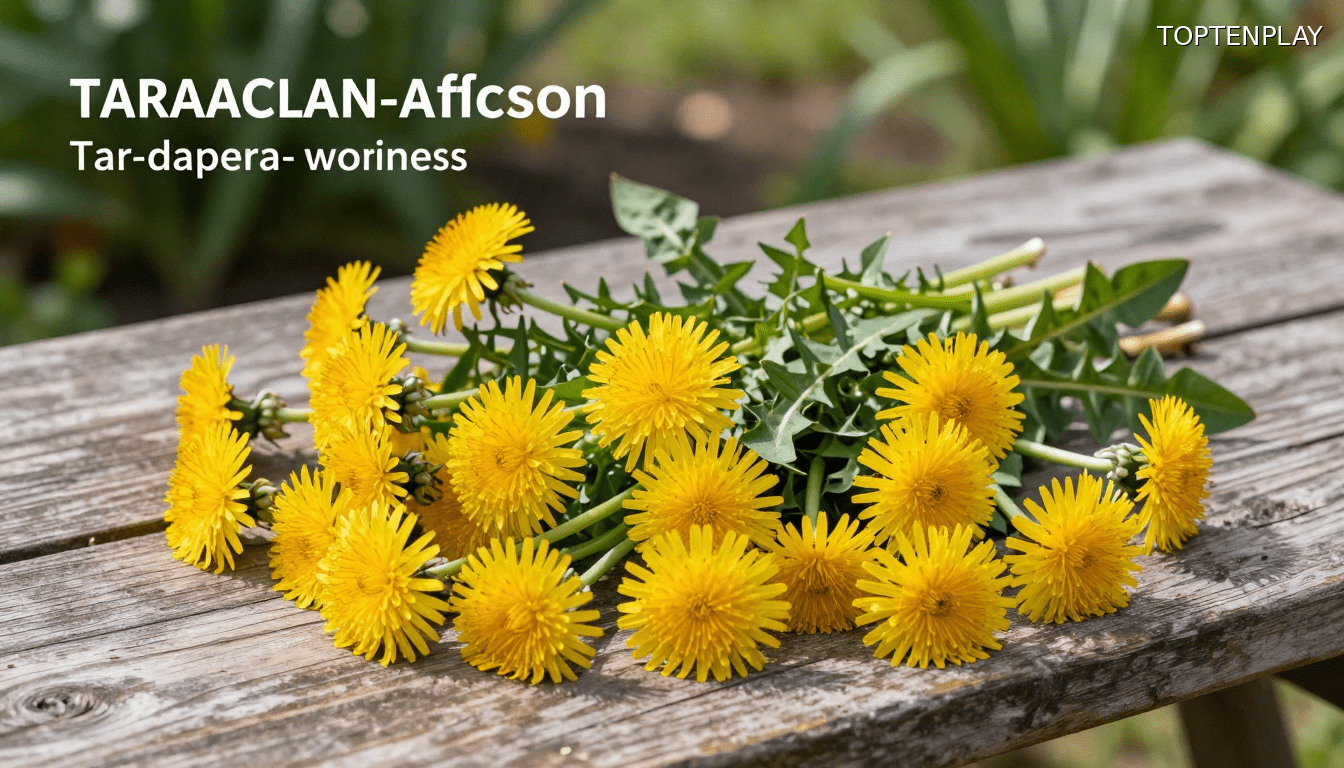
For decades, the dandelion (_Taraxacum officinale_) has been pulled from lawns and considered a nuisance. Yet, this golden-flowered plant is now experiencing a spectacular renaissance in natural wellness circles. What was once discarded is now infused, consumed, and recommended as an accessible beverage to support digestion and daily balance.

This revaluation is not insignificant. It responds to an observable reality: frantic rhythms, ultra-processed diets, and chronic stress leave many people struggling with persistent bloating, uncomfortable digestion, dull fatigue, and skin that lacks radiance. Faced with these daily symptoms, dandelion infusion stands out as a natural and economical alternative to expensive supplements or chemical solutions.

Unlike fleeting wellness trends, dandelion benefits from a major asset: generations of traditional use across the world. Asian medicine, indigenous American knowledge, and European practices have all integrated this plant into their digestive and hepatic support routines. This historical continuity does not constitute scientific proof, but it explains why this humble “weed” withstands the test of time and resurfaces today as a gentle response to modern imbalances.

Publicité

Illustration image © TopTenPlay
Symbolbild © TopTenPlay

Ancestral Heritage: Three Global Traditions That Have Always Used Dandelion

This renewed trust in dandelion is not based solely on contemporary hype. It is anchored in a documented anthropological heritage across three major cultural areas, each having developed its own therapeutic uses for this plant.

In East Asia, traditional medicine practitioners have integrated dandelion into their formulas for centuries to promote the balance of body fluids and improve digestive comfort. Ancient texts mention its use to relieve feelings of heaviness and support the body’s internal clarity.

On the other side of the Pacific, the indigenous peoples of the Americas developed their own applications. They traditionally used roots and leaves to soothe digestive disorders and treat certain skin conditions, intuitively recognizing the link between internal health and skin appearance.

Publicité

In Europe, dandelion established itself in “spring cleaning” rituals, those seasonal cures intended to support the body after winter. Root infusions were consumed to stimulate digestive and hepatic functions, a practice that persists in some rural regions.

This intercultural convergence does not constitute scientific validation, but it reveals a remarkable continuity of empirical observation. When three distant traditions identify similar properties in the same plant, it deserves attention. This historical persistence explains why dandelion never truly disappeared from wellness practices, even when modern medicine temporarily relegated it to the status of a weed.

Illustration image © TopTenPlay
Symbolbild © TopTenPlay

Six Potential Benefits Supported By Traditional Use (Without Miraculous Promises)

This historical foundation sheds light on the properties that contemporary research is beginning to explore, without falling into therapeutic exaggeration. Here is what dandelion infusion can reasonably provide, according to available data.

Publicité

First benefit: post-prandial digestive comfort. Bitter compounds present in the root stimulate bile production, thus facilitating the breakdown of dietary fats. Result: that feeling of heaviness after a heavy meal fades for some people.

Publicité
Partager sur Facebook