Sage: A Millennial Plant With Powerful Bioactive Compounds
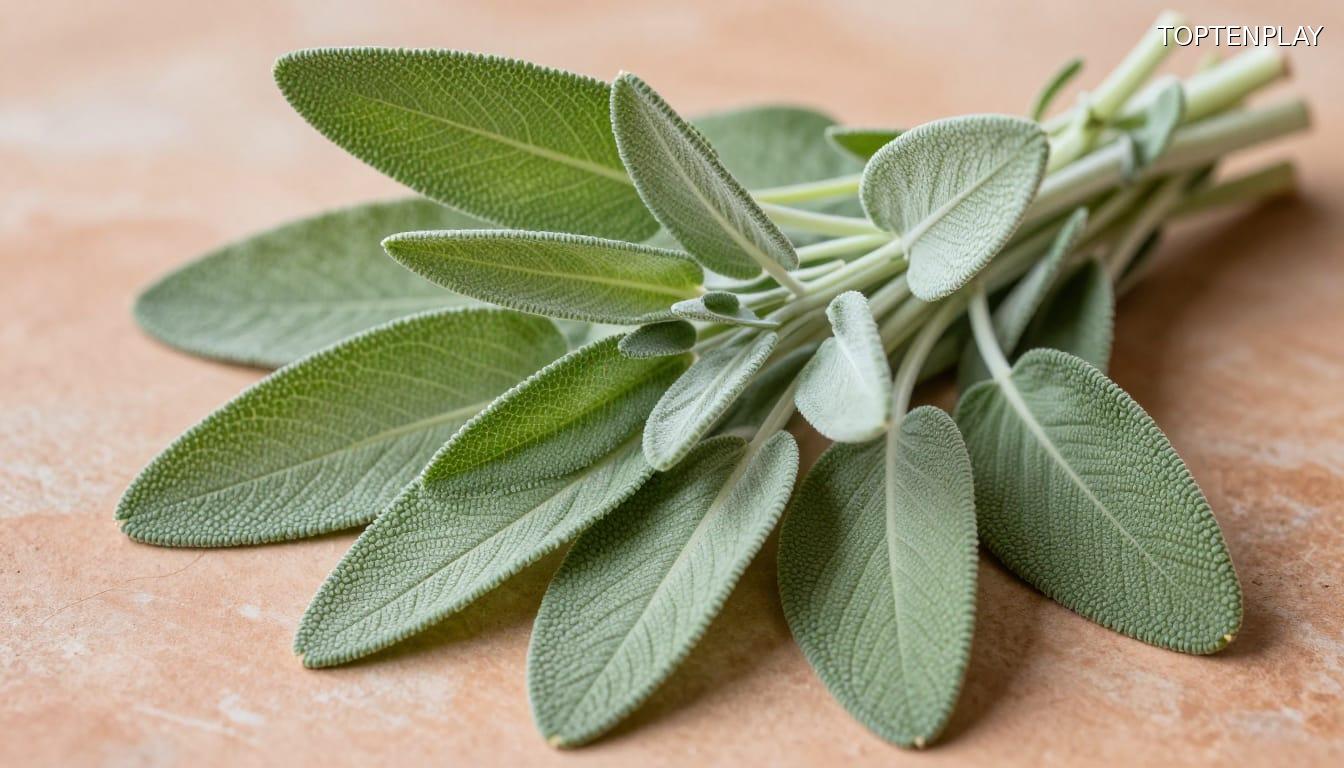
A medieval European proverb stated: “Why should a man die when sage grows in his garden?” This millennial veneration now finds a precise scientific explanation. Salvia officinalis, native to the Mediterranean basin, concentrates in its silvery leaves a chemical arsenal that fascinates modern researchers as much as it served Roman, Ayurvedic, and traditional Chinese medicine.
Phytochemical analysis reveals a remarkable composition: essential oils containing thujone, cineole, and borneol, rosmarinic acid with documented anti-inflammatory properties, antioxidant flavonoids, astringent tannins, as well as vitamin K, calcium, and iron. This molecular synergy explains the antimicrobial, antioxidant, and digestive properties observed empirically for centuries.
The sage family includes more than 900 species worldwide, but Salvia officinalis remains the medicinal and culinary reference. Each velvety leaf contains bioactive compounds capable of influencing several physiological systems simultaneously, from the digestive sphere to cognitive function. This exceptional concentration of active principles transforms a simple aromatic herb into a true natural therapeutic ally, provided it is used with discernment and knowledge of its mechanisms of action.
Ten Documented Benefits: From Digestion To Cognition
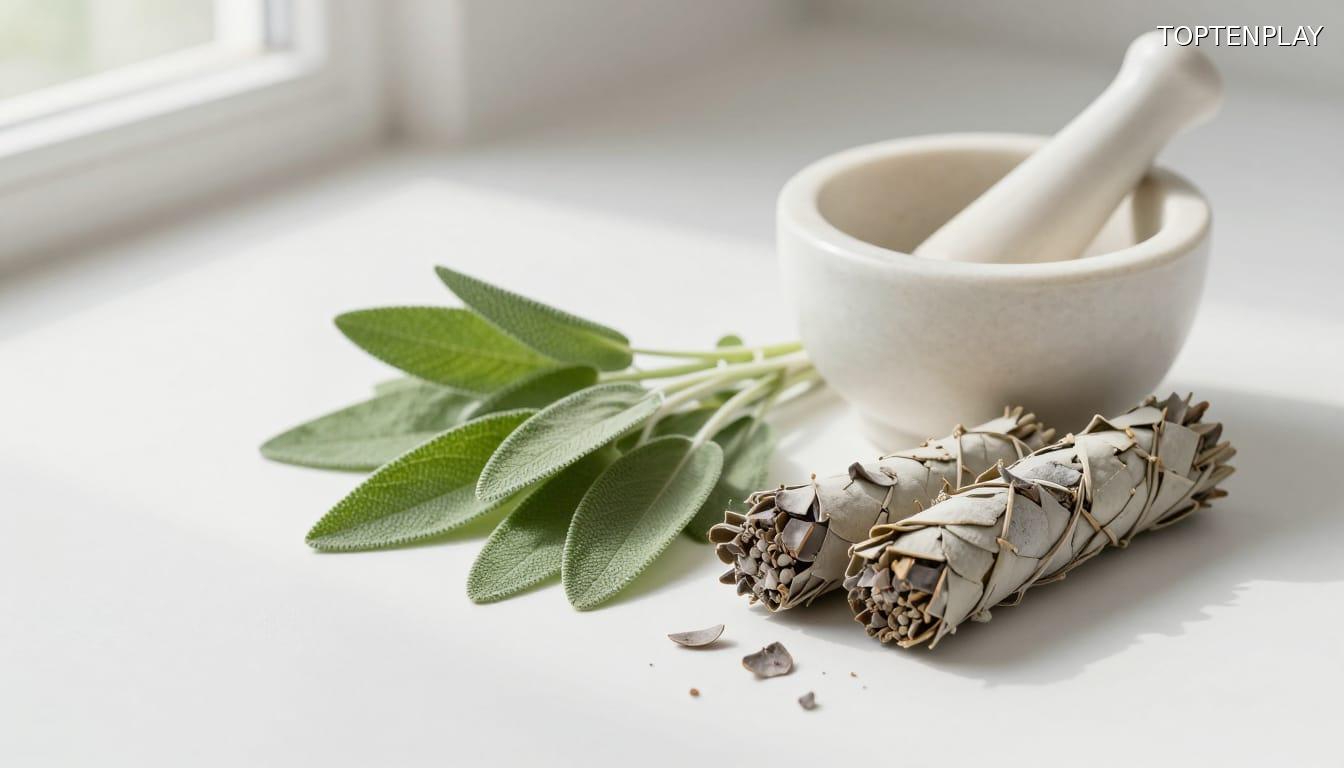
This molecular richness translates into observable physiological effects across several therapeutic axes. On the digestive level, sage stimulates the secretion of gastric juices and bile, alleviating bloating and occasional intestinal discomfort. Menopausal women find documented relief from hot flashes and night sweats, thanks to phytoactive compounds that modulate hormonal balance.
Research is now exploring its cognitive impact: several studies reveal that sage extract could improve memory and concentration in aging populations, a scientific extension of its traditional use against mental decline. Its antibacterial and antiviral properties justify its ancestral use as a gargle for sore throats and minor oral infections.
Other applications deserve attention: the reduction of excessive sweating, support for oral health via natural mouthwashes, and a mild diuretic effect promoting natural elimination. The antioxidants present strengthen immune defenses by neutralizing free radicals. Even the regulation of the menstrual cycle benefits from sage’s plant compounds according to traditional phytotherapeutic protocols.
These ten convergent benefits do not constitute miracle cures, but natural supports documented by millennial use and modern investigation. It remains to transform this theoretical knowledge into daily practical actions, accessible to all those who wish to integrate this Mediterranean plant into their wellness routine.

Methods Of Use: From Soothing Tea To Relaxing Bath
These therapeutic applications require precise preparation protocols to effectively release the active principles. Infusion is the most accessible method: one tablespoon of dried or fresh leaves infused for 5 to 10 minutes in a cup of hot water, consumed one to three times a day as needed. This simple herbal tea concentrates the volatile compounds without sophisticated equipment.
The therapeutic mouthwash uses the same leaves in a concentrated infusion, cooled and then used as a gargle after tooth brushing. For complete body relaxation, a sage bath requires two cups of leaves infused in two liters of boiling water for fifteen minutes, filtered and then added to the bathwater for a fifteen to twenty-minute immersion.
Topical applications include a poultice of crushed fresh leaves, applied directly to minor skin irritations. Advanced users can prepare an alcoholic tincture by macerating leaves in 40° alcohol for fifteen days, then used in diluted drops under qualified supervision.
These five distinct methods transform the raw plant into remedies adapted to specific needs: internal for digestion and hormonal balance, external for skin and muscles, oral for gums and throat. Each preparation targets different absorption pathways, maximizing effectiveness according to the intended goal. But this therapeutic power also imposes vigilance and discernment in daily use.
Essential Precautions And Home Cultivation
This therapeutic power imposes clear limits. Sage is contraindicated during pregnancy and breastfeeding without professional medical advice, due to its phytoactive compounds influencing the hormonal system. People with epilepsy should avoid all internal use: the thujone contained in the essential oils can potentially trigger seizures. Existing hormonal treatments may also interact with the plant’s estrogenic properties.
Moderation remains imperative even for healthy users. Prolonged use at high doses accumulates thujone in the body, risking liver toxicity and neurotoxic effects. A medical consultation is necessary before any regular herbal protocol, especially if you are taking prescribed medications.
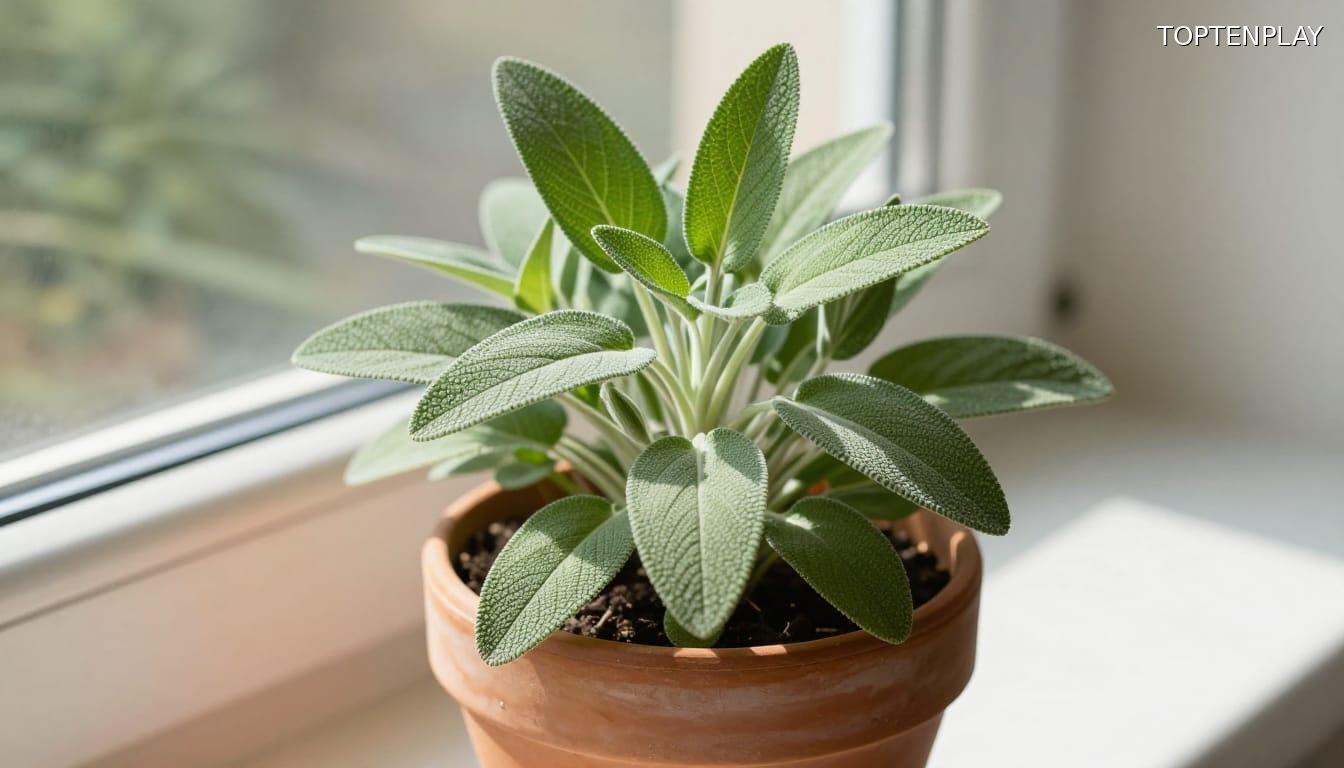
Growing your own sage bypasses these overdose risks while guaranteeing quality and freshness. This Mediterranean plant thrives in full sun with minimal watering, adapting well to both balcony pots and gardens. Leaves are harvested green and then air-dried for prolonged storage, creating an economical home reserve all year round.
Beyond medicinal use, sage enriches meats, soups, sauces, and roasted vegetables, infuses oils and vinegars, and naturally scents drawers and closets. This culinary and domestic versatility transforms a therapeutic plant into a daily companion, accessible without a prescription but requiring respect and knowledge to fully reveal its millennial virtues.