📌 Cold water test: how to check in 10 seconds if your eggs are still consumable
Posted 28 January 2026 by: Admin
The Foolproof Trick To Test Egg Freshness
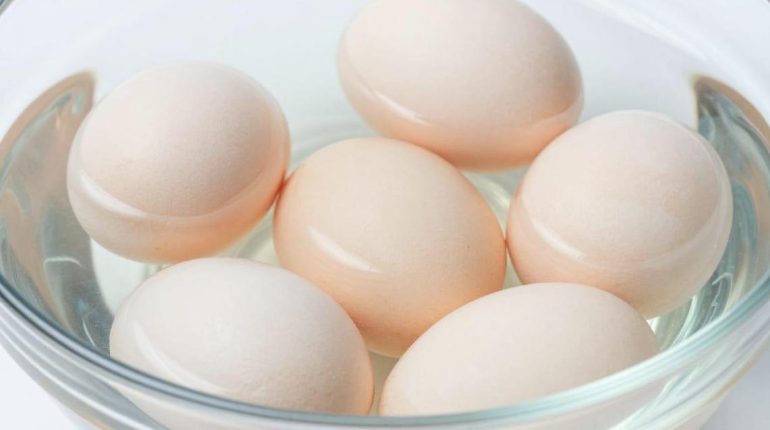
A simple gesture is enough to avoid any risk. Fill a bowl with cold water and gently dip an egg into it. Its reaction immediately reveals its condition: fresh eggs sink to the bottom and lie horizontally, while older ones partially rise or float completely on the surface.
This technique is based on a precise physical phenomenon. The shell, initially compact and smooth, gradually becomes porous over time. Air then seeps inside, creating a gas pocket that increases buoyancy. The older the egg gets, the larger this air chamber becomes, thus modifying its density in water.
The rule is final: an egg that floats entirely must be thrown away. This position signals an excessive amount of air, synonymous with advanced degradation and a potential health risk. Conversely, a perfectly fresh egg stays stuck to the bottom of the container, guaranteeing safe consumption.
This method has a major advantage: it requires no specific equipment and is done in a few seconds. Accessible to everyone, it allows for assessing freshness without breaking the egg or wasting product. A reflex to adopt systematically before any culinary use, especially when the traceability of the eggs remains uncertain or the purchase date goes back several days.
Complementary Verification Methods
Beyond the water test, other sensory techniques reinforce this diagnosis. Gently shake the egg near your ear: a slight liquid sound indicates optimal freshness, while a dull thud or amplified sound betrays pronounced aging. This internal movement results from the egg white gradually liquefying, losing its initial gelatinous consistency.
Visual examination of the shell also reveals valuable clues. A smooth, uniform surface free of cracks is the first guarantee of quality. Micro-cracks, even imperceptible to the naked eye, create breaches through which bacteria seep, compromising food safety. Systematically avoid eggs with cracks or abnormally rough areas.
The expiration date printed on the box remains a reliable benchmark, especially when purchasing. This legal mention guarantees consumption under the optimal conditions defined by the producer. Check it systematically before placing eggs in your basket, prioritizing the furthest dates to maximize the duration of use at home.
These combined controls form a complete selection protocol. No single technique is enough: the cross-referencing of the float test, listening, and visual inspection eliminates doubts and guarantees reliable traceability. Increased vigilance is particularly necessary for eggs bought in bulk at markets, where information on origin and laying sometimes remains approximate.
Optimal Storage And Shelf Life Of Eggs
Once their freshness is validated, the storage method determines their longevity. Immediate refrigeration after purchase is the safest practice, capable of preserving eggs for 4 to 5 weeks after laying. This technique significantly slows down bacterial proliferation and keeps nutritional properties intact.
Room temperature, although tolerated for unwashed eggs that retain their natural protective cuticle, limits storage life to a maximum of one week. Eggs sold in supermarkets generally undergo industrial washing that removes this biological barrier, making them vulnerable to external contamination. This increased fragility makes refrigeration no longer just recommended, but essential.
The location in the refrigerator directly influences thermal stability. Keep eggs in their original box on a central shelf, never in the door. Repeated temperature variations during openings weaken the shell and promote condensation, creating an environment conducive to bacteria. The original packaging also protects against the absorption of food odors that alter the taste.
The expiration date indicates optimal freshness, not an absolute limit for consumption. A properly refrigerated egg generally remains consumable for several days after this deadline, provided it successfully passes the verification tests. This tolerance, however, assumes rigorous storage and the absence of any visual, olfactory, or auditory signs of deterioration.
Health Risks And Warning Signs Upon Opening
Rigorous storage is not enough: visual examination after cracking reveals the actual state of the egg. A fresh egg has a gelatinous and compact white, concentrated around a domed, centered, and uniform bright yellow yolk. The smell remains neutral, or even slightly sweet. Conversely, a liquid white that spreads immediately, a pale and flattened yolk that moves easily signal advanced aging.
The sulfurous smell is the absolute warning signal: it betrays bacterial decomposition already underway. Dark spots, suspicious filaments, or abnormal colorations in the white or yolk indicate potential contamination. These visual anomalies prohibit any consumption, regardless of the results of previous tests.
Salmonellosis represents the major danger related to expired or poorly stored eggs. This bacterial infection causes nausea, vomiting, diarrhea, and fever within 12 to 72 hours after ingestion. Escherichia coli bacteria can also contaminate eggs, triggering similar but sometimes more severe gastrointestinal symptoms.
Vulnerable populations — young children, the elderly, pregnant women, and immunocompromised individuals — must be doubly vigilant. For these risk profiles, a suspicious egg deserves no doubt: prudence dictates its immediate disposal. Food safety relies on this rigor in inspection, an indispensable complement to preservation methods.