📌 Chinese-style black pepper beef: the triple marinade-sauce-stir-fry technique that makes all the difference
Posted 22 January 2026 by: Admin
Meat Preparation: The Secret To A Perfect Texture
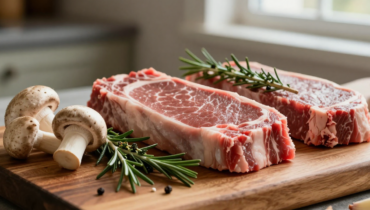
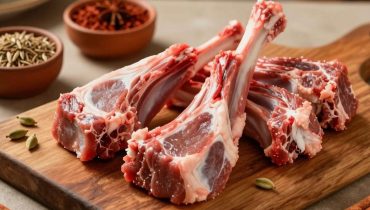
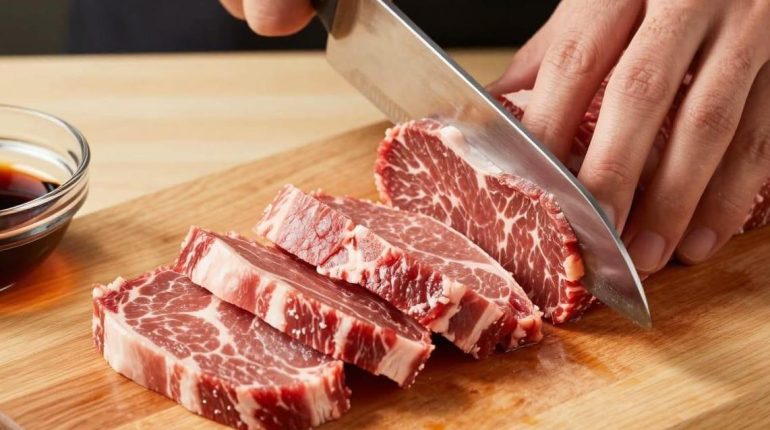
Chinese pepper steak begins with a decisive step: preparing the beef. For 500 grams of meat, favor sirloin or flank steak, two cuts that combine flavor and tenderness when properly treated. The cutting is done in thin slices, imperatively against the grain of the muscle fibers. This technique, far from being anecdotal, breaks the long fibers of the meat and transforms potentially tough pieces into melting strips.
The marinade relies on four precise ingredients: two tablespoons of soy sauce for umami, one tablespoon of oyster sauce which brings depth and sweet-salty notes, one teaspoon of cornstarch which creates a thin protective film, and one teaspoon of sesame oil for roasted aromas. This combination performs a double action: it tenderizes the proteins while forming a coating that will caramelize during cooking.
Resting time matters as much as the composition. The meat must soak up the flavors for at least fifteen minutes, allowing the cornstarch to adhere uniformly and the sauces to penetrate the fibers. This meticulous preparation lays the foundation for a dish where every bite delivers a silky texture and intense taste.
The Arsenal Of Vegetables And Aromatics: The Base Of A Successful Wok
The success of pepper steak relies as much on the vegetables as on the meat. The colorful trio begins with a whole sliced onion, accompanied by a red and a green bell pepper cut into regular strips. These vegetables do not just play a visual role: the onion brings a caramelized sweetness, while the peppers offer an essential crunch and a subtle bitterness that balances the richness of the sauce.
The aromatic duo constitutes the very soul of this authentic Chinese dish. Two finely chopped garlic cloves and a teaspoon of freshly grated ginger form the essential olfactory base of Asian cuisine. Garlic develops pungent and earthy notes, while ginger delivers a slightly lemony and spicy freshness. These two ingredients, always used fresh in Chinese culinary tradition, release their essential oils as soon as they contact the hot oil.
The two tablespoons of vegetable oil are not chosen at random. Their high smoke point allows reaching the temperatures necessary for stir-frying without burning, creating that quick sear that traps flavors while preserving the crunch of the vegetables. This meticulous preparation of ingredients transforms a simple recipe into a structured taste experience.
The Signature Sauce: The Soul Of Chinese Pepper Steak
This aromatic alliance finds its fulfillment in the sauce that truly defines the character of the dish. The base rests on 60 ml of soy sauce, the salty backbone and umami that unifies all elements. Two tablespoons of hoisin sauce, although optional, enrich the preparation with a sweet-salty depth and a malty complexity typical of Cantonese sauces.
The homemade thickener is the secret to a professional texture. A tablespoon of cornstarch diluted in two tablespoons of water forms what cooks call a slurry. This technique guarantees a lacquered and shiny sauce, coating each piece of meat without ever forming lumps, unlike starch added directly. The mixture is integrated at the end of cooking, instantly transforming a liquid juice into a silky glaze.
The level of spiciness is adjusted according to the palate. Half a teaspoon of ground black pepper is the minimum to justify the name pepper steak, but intensity lovers can add red chili flakes. This modularity allows adapting the recipe from the family restaurant to the gourmet home, each calibrating the heat according to their preferences. The sauce thus constructed now awaits its encounter with the high heat of the wok.
Wok Assembly: Technique And Timing For A Striking Result
The encounter between this sauce and the high heat transforms prepared ingredients into an accomplished dish. The searing begins by heating the vegetable oil to a high temperature in the wok until light smoke appears, a signal that the metal has reached the necessary heat. The slices of marinated meat are then placed there without overloading the surface, allowing for rapid caramelization rather than stewing. Two to three minutes are enough to sear the outside while maintaining interior tenderness, before temporarily removing the meat.
The wok then welcomes the vegetables according to a precise hierarchy. The sliced onions cook first to develop their sweetness, followed by the garlic-ginger duo which scents the fragrant oil. The bell peppers join the preparation last, their minimal cooking time preserving that characteristic crunch of authentic stir-fry. This sequential cooking avoids generalized overcooking that would turn the vegetables into mush.
The meat returns to the wok accompanied by the sauce, whose slurry thickens instantly upon contact with the heat. A few energetic circular movements uniformly coat each element with a shiny glaze. The whole process never exceeds six to eight minutes of total cooking, preserving vitamins, textures, and that freshness that distinguishes authentic Chinese cuisine. The result steams on the plate, ready to reveal its balance of intense flavors and contrasting textures.