📌 Chia seeds: why 15 grams per day is enough to enjoy their benefits without digestive risk
Posted 15 February 2026 by: Admin
Nutritional Profile: An Exceptional Concentration In A Tiny Seed
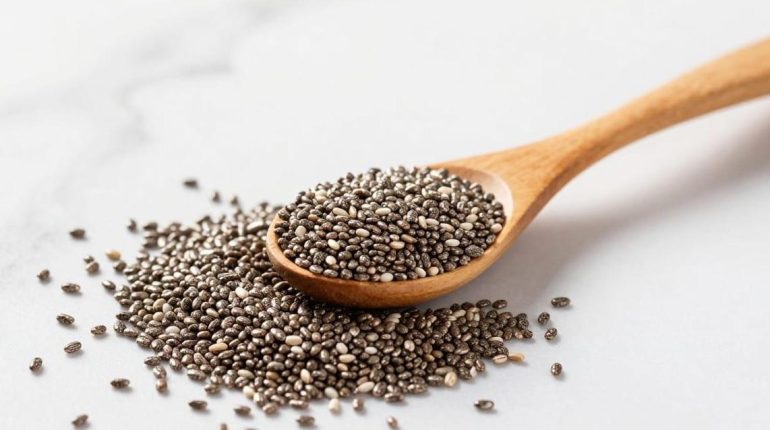
Behind their unremarkable appearance lies a remarkable nutritional density. Chia seeds concentrate dietary fiber, plant proteins, and essential fatty acids in proportions that defy their microscopic size. A single tablespoon of 15 grams is enough to cover a significant portion of daily needs for key nutrients.
The mineral profile reveals substantial levels of calcium, magnesium, and phosphorus, three pillars of bone health and metabolic balance. But it is the presence of omega-3 that particularly catches the attention of nutritionists, as these essential fatty acids are widely recognized for their protective effects on the cardiovascular system.
The low glycemic index is another major asset. Unlike fast carbohydrates that cause blood sugar spikes followed by sharp drops, chia seeds maintain a stable and progressive energy release throughout the day. This characteristic makes them a valuable ally in avoiding cravings and fatigue.
Their unique ability to absorb up to twelve times their weight in liquid transforms their texture into a viscous gel. This physical property is not just a culinary detail: it also explains their physiological effects on digestion and satiety, two mechanisms whose concrete health implications we will now explore.
Health Benefits: Concrete Effects In A Balanced Routine
This transformation into gel upon contact with liquids directly explains the prolonged satiety effect provided by chia seeds. Soluble fibers swell in the stomach, slow down gastric emptying, and naturally reduce the urge to snack between meals. A simple but effective mechanism for those looking to regulate their appetite without resorting to artificial appetite suppressants.
Beyond satiety, the high fiber content promotes regular intestinal transit and nourishes the microbiota. Beneficial bacteria in the gut flora use these fibers as a substrate, thus helping to maintain a balanced digestive ecosystem. At the same time, antioxidant compounds present in the seeds neutralize free radicals responsible for cellular oxidative stress.
Research also links regular chia consumption to improved cardiovascular markers. The plant-based omega-3s they contain help reduce LDL cholesterol, the so-called “bad” cholesterol, while some studies suggest a link with a decreased risk of neurodegenerative diseases like Alzheimer’s. These observations require confirmation by large-scale clinical trials, but current data remain encouraging.
No single food can claim to transform failing health on its own. Chia seeds are no exception: their effectiveness depends entirely on their integration into a varied diet, accompanied by regular physical activity. It remains to determine the optimal amount to benefit from these effects without risking overdose.
Dosage And Consumption: Golden Rules For Optimal Use
The temptation to increase portions often arises when faced with a food deemed beneficial. However, 15 grams daily is enough for the majority of consumers — the equivalent of a level tablespoon. This modest amount already provides most of the fiber, omega-3, and mineral intake without overloading the digestive system.
Regular users can gradually reach 25 grams, or exceptionally 30 grams, but crossing this threshold exposes one to discomfort. Children require reduced portions, adapted to their body weight and digestive tolerance. The mistake is to consider these seeds as a harmless supplement: their nutritional concentration implies reasoned consumption.
Hydration represents the other pillar of safe use. Chia seeds absorb up to ten times their weight in liquid after ingestion. Without sufficient fluid intake, they risk causing bloating, intestinal gas, or paradoxical constipation. Drinking regularly throughout the day allows the seeds to form their gel under optimal conditions and facilitates their transit through the digestive tract.
This absorption capacity also requires consuming them already hydrated when starting out. Incorporating dry seeds into a meal low in liquids can create immediate digestive discomfort. Prudence therefore dictates letting them swell beforehand or systematically associating them with sufficiently moist preparations. Now let’s explore how to concretely integrate these seeds into the daily diet.
Culinary Instructions: Versatility And Practical Applications In Daily Life
The concrete integration of chia seeds into menus exploits precisely this absorption property. Chia pudding remains the flagship preparation: seeds soaked for several hours in plant-based or classic milk swell to form a creamy texture, ready to receive fresh fruit, honey, or cinnamon. This method guarantees optimal hydration before consumption.
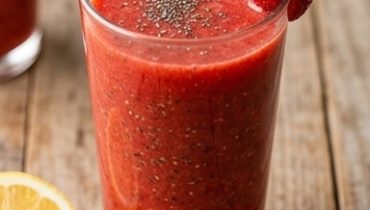
Sweet preparations offer the most obvious ground. Yogurts, smoothies, oatmeal, or compotes readily accept a spoonful of these neutral-tasting seeds. Their aromatic discretion is a major asset: they enrich without altering original flavors, unlike flax seeds with their more pronounced taste.
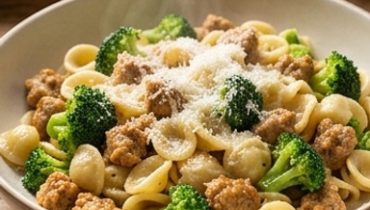
On the savory side, applications surprise with their diversity. Bakers integrate seeds into bread dough or muffins to improve texture and nutritional value. Plant-based burgers benefit from their binding power, while sauces and soups naturally thicken upon contact with these seeds. A simple sprinkle on salads or cereal bowls adds a discreet crunch and an instant nutritional supplement.
Nevertheless, progression remains essential for novices. Suddenly introducing 20 grams of concentrated fiber often causes bloating and gas in unaccustomed bodies. People with sensitive intestines or under regular medication will benefit from consulting a professional before adopting this habit. Simple, affordable, and nutritious, the chia seed above all requires balance and attention to body signals to fully reveal its potential.