📌 Cashews: 553 calories and 43.8 g of fat per 100 g, but real benefits for cholesterol
Posted 14 January 2026 by: Admin
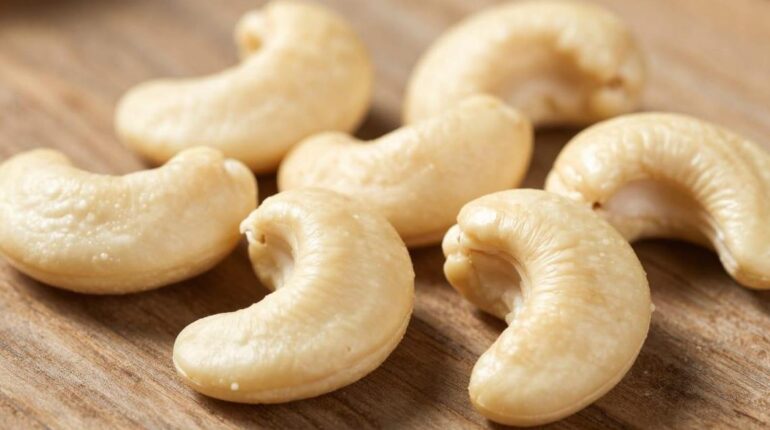
The Cashew Nut: A Little-Known Nutritional Treasure
Among dried fruits, the cashew nut occupies an exceptional place. Its nutritional composition reveals remarkable concentrations: 292 mg of magnesium, 593 mg of phosphorus, and 660 mg of potassium per 100 grams. These essential minerals surpass those of many other dried fruits, giving the cashew nut a privileged status in the modern diet.
Beyond its minerals, it boasts an impressive protein profile with 18.2 grams of plant-based protein per 100 grams. This high content makes it a serious alternative to animal sources, particularly appreciated in vegetarian and vegan diets. Copper, present at 2.2 mg, plays a crucial role in the formation of red blood cells and the maintenance of an efficient immune system.
Versatility of consumption is a major asset: raw to preserve all nutrients, roasted to intensify its characteristic creamy flavor, or transformed into a smooth puree. This adaptability allows for natural integration into the daily diet, whether as a quick snack or a refined culinary ingredient.
Health professionals emphasize that these nutritional qualities are not limited to simple figures. Each nutrient contributes to the optimal functioning of the body, forming a coherent whole that explains the scientific community’s growing interest in this multi-virtuous dried fruit.
Decoding the Nutritional Composition
Data from the US Department of Agriculture establishes a complete nutritional profile for 100 grams of unroasted and unsalted cashews. This cocktail of 13 precisely measured nutrients reveals 553 calories, 43.8 grams of fat, and 30.2 grams of carbohydrates. These macronutrients ensure a substantial energy intake while maintaining a balance favorable to metabolism.
The concentration of trace elements particularly attracts the attention of nutritionists. Zinc shows 5.78 mg, while iron reaches 6.68 mg, remarkable values for a plant-based food. Selenium, present at 19.9 mg, completes this picture with its recognized antioxidant properties. These trace minerals actively participate in cellular protection and tissue renewal.
The fiber content of 3.3 grams promotes intestinal transit and contributes to a prolonged feeling of satiety. This characteristic explains why cashews are a preferred option for balanced snacks. Calcium (37 mg), manganese (1.6 mg), and phosphorus work together to maintain bone density and support essential enzymatic functions.
This detailed composition demonstrates that each portion provides exceptional nutritional density. The figures do not lie: the cashew nut concentrates in its creamy flesh an arsenal of nutrients whose effects on cardiovascular health have caught the attention of doctors.
Confirmed Benefits for Cardiovascular Health
Health professionals now validate what the nutritional data suggested: regular consumption of cashews actively reduces cholesterol levels. This medical revelation is based on the synergistic action of magnesium, copper, and unsaturated fatty acids contained in these nuts. The biological mechanism remains simple: these nutrients promote the elimination of bad cholesterol (LDL) while preserving good cholesterol (HDL).
Heart health directly benefits from this lipid regulation. The 660 mg of potassium identified previously help stabilize blood pressure, while magnesium ensures the relaxation of vascular walls. This mineral combination creates an optimal environment for the cardiovascular system, reducing the risk of cardiac events.
Zinc and selenium, present in significant quantities, reinforce this protection through their antioxidant properties. They neutralize free radicals responsible for cellular aging and artery inflammation. Doctors emphasize that these protective effects manifest during moderate but regular consumption.
This scientific validation transforms the cashew nut into a natural therapeutic ally. The essential nutrients it concentrates orchestrate a set of favorable biological reactions, going beyond simple caloric intake to become a real cardiovascular prevention tool accessible to all.
Optimal Integration into the Daily Diet
The versatility of cashews facilitates their incorporation into all diets. Raw, roasted, or transformed into smooth butter, they retain their essential nutritional properties while adapting to everyone’s taste preferences. This flexibility eliminates obstacles to regular consumption, an indispensable condition for benefiting from the previously demonstrated cardiovascular effects.
Digestion directly benefits from the 3.3 grams of fiber contained in each 100-gram portion. These fibers regulate intestinal transit and promote the gradual absorption of nutrients, avoiding harmful glycemic peaks. Magnesium and zinc act simultaneously on digestive function by optimizing the enzymatic processes necessary for food breakdown.
The skin quickly reveals the benefits of sustained consumption. Copper stimulates the production of collagen and elastin, structural proteins responsible for skin firmness. Selenium protects dermal cells from oxidative stress, while fatty acids maintain the skin’s natural hydration. These combined mechanisms visibly slow down the signs of aging.
Nutritionists recommend a daily portion of 30 to 40 grams to maximize these benefits without exceeding optimal caloric intake. This measured quantity is enough to effectively nourish the body while preserving the overall nutritional balance, transforming a simple snack into a deliberate and measurable health gesture.