📌 Cajun Cabbage Jambalaya: how cabbage transforms this Louisiana classic into an economical and nutritious dish
Posted 12 January 2026 by: Admin
The Traditional Cajun Jambalaya Base Revisited
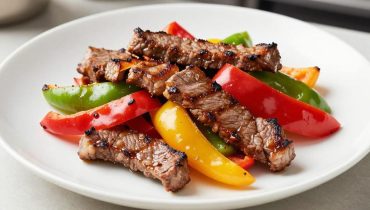
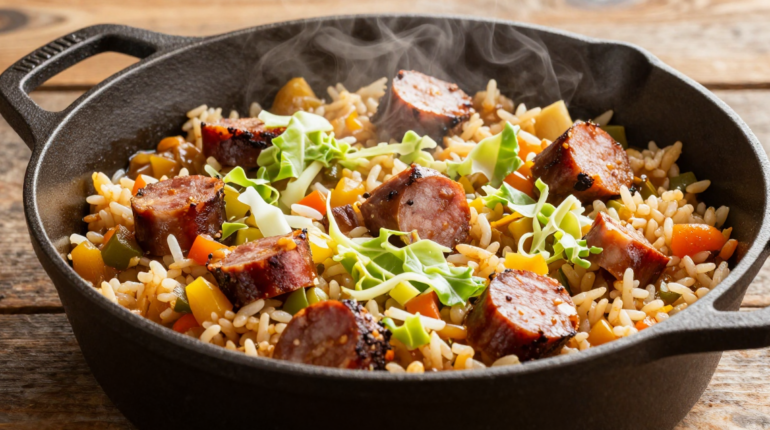
Cajun Cabbage Jambalaya reinvents a pillar of Louisiana cuisine by integrating an ingredient as humble as it is unexpected: cabbage. This bold fusion preserves the authentic soul of jambalaya – its smoky spices, its andouille sausage, its flavor-soaked rice – while bringing a vegetable dimension that enriches the texture and lightens the whole. Far from betraying tradition, this variation intelligently modernizes a classic by offering more nutritional volume without gustatory compromise.
What immediately appeals in this recipe is its disconcerting practicality. Everything is cooked in a single pot, according to the one-pot wonder method prized for convivial meals. No more multiplication of utensils and the dishwashing marathon: here, smoked sausage, long-grain rice, and vegetables simmer together, creating an aromatic synergy where each ingredient soaks up the others. Result: a generous dish that easily feeds six to eight guests, with leftovers that even gain depth the next day.
This economic accessibility sacrifices nothing to authenticity. Cajun codes remain intact – the sacred aromatic trio, the characteristic spices, the slow cooking – but the addition of cabbage transforms the nutritional equation. Where traditional jambalaya can sometimes seem heavy, this version finds a remarkable balance between comfort and lightness, promising a taste experience as satisfying as it is unexpected.
The Arsenal of Ingredients: Between Tradition and Accessibility
Behind this culinary success lies a remarkably balanced list of ingredients, where each component plays a precise role. The Cajun aromatic trio – onion, green bell pepper, and celery – constitutes the essential foundation, the one that signs the Louisiana identity of the dish. These three vegetables, systematically sautéed together, release their essential oils and create that fragrant base on which everything else is built.
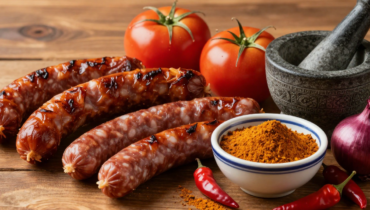
On the protein side, flexibility joins the menu. Smoked andouille sausage (450 grams) remains the undisputed star, bringing that characteristic full-bodied and smoky taste. But for those looking for more substance, the optional addition of 450 grams of diced chicken offers a lighter alternative without betraying the spirit of the dish. As a substitution, kielbasa works perfectly, proof that this recipe adapts to supply constraints.
Long-grain rice – only one cup – cooks directly in two cups of chicken broth, gradually absorbing the accumulated flavors. This absorption method guarantees perfectly textured grains, neither too dry nor soggy. As for the cabbage, the true protagonist of this variation, it brings volume and crunch while absorbing the cooking juices. Completed by canned tomatoes (400 grams) and three cloves of minced garlic, the whole forms a composition where fresh vegetables and condiments balance each other, promising a plate as nourishing as it is savory.
The Symphony of Spices That Makes All the Difference
Beyond this material composition, it is the seasoning that transforms these raw ingredients into true Cajun jambalaya. Paprika plays a double role here: a teaspoon of the classic version for color and sweetness, reinforced by a second spoon of smoked paprika which brings that indispensable woody depth. This aromatic strategy creates layers of flavors where each note finds its place.
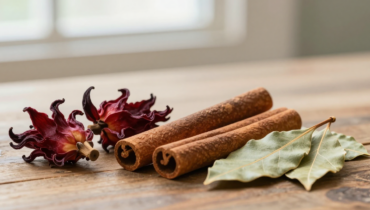
The dried thyme-oregano duo, at a rate of one teaspoon each, certainly evokes Mediterranean influences, but fits perfectly into the Cajun register. These herbs infuse slowly during cooking, releasing their aromatic compounds into the broth and rice. The bay leaf, discreet but essential, acts as a subtle enhancer that unifies the whole without ever dominating.
It is the cayenne that determines the character of the dish. The suggested half-teaspoon constitutes a moderate starting point, easily adjustable according to the palate. This modulation allows everyone to control the spicy intensity without sacrificing aromatic complexity. Salt and black pepper, added according to personal appreciation, complete this palette by revealing the natural flavors of each ingredient. This mastery of spices distinguishes a simple stew from an authentic jambalaya that respects Louisiana codes while remaining accessible.
Preparation and Implementation: The Promise of a Feast
The execution begins with simplicity: a tablespoon of olive oil or butter heated in a large pot. This initial choice is not insignificant – oil handles high temperatures better for searing proteins, while butter subtly enriches the aromatic base. The sliced smoked sausage is browned first, releasing its fats and aromas into the fat, thus creating the flavor base of the dish.
The onion-pepper-celery trio follows immediately, joining the golden sausage. These vegetables should soften without browning excessively, about five minutes over medium heat. The minced garlic then intervenes briefly, just long enough to reveal its fragrance without burning. The chopped cabbage is added in successive volumes, gradually reducing in contact with the heat and the liquids already present.
The diced tomatoes, broth, and raw rice then join the preparation with the arsenal of spices and the bay leaf. The liquid should be level with the solid ingredients. Once brought to a boil, the heat is reduced for a gentle, covered cooking of about twenty-five minutes, until the rice completely absorbs the spicy broth. No untimely stirring – patience guarantees a perfectly textured and not crushed rice.
The final garnish of green onions or chopped parsley brings freshness and visual contrast. This ultimate gesture transforms a rustic dish into a presentation worthy of being served, revealing the accessible sophistication of this domesticated Cajun cuisine.