A butterless cake? People imagine something dry, almost punitive—the kind of dessert you swallow only because you have to. It’s exactly the opposite. Remove the butter from a chocolate cake, and you don’t take anything away: you finally reveal the chocolate.
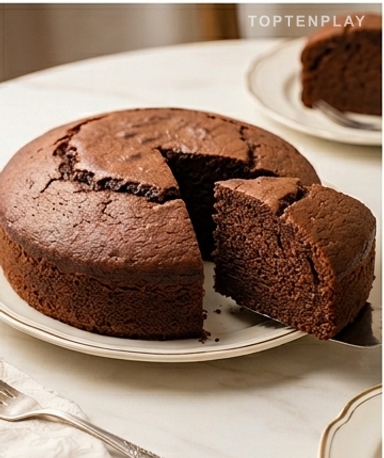
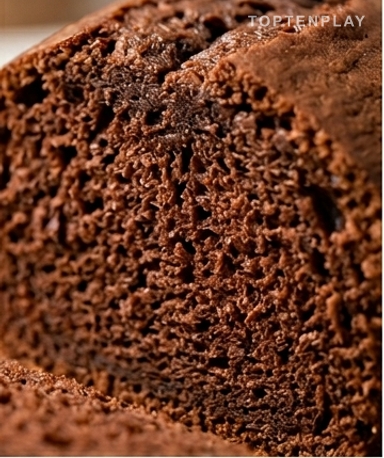
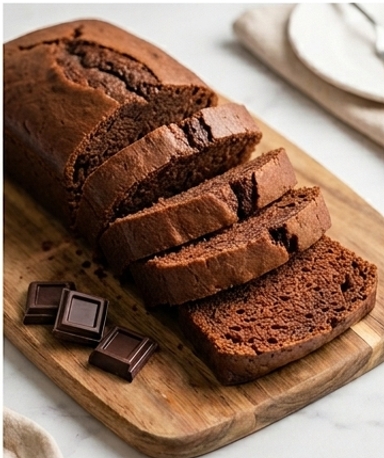
Cut a slice and look at it for a second. The crumb is a deep brown, almost black, with those small irregular air pockets that still hold moisture. It smells like warm cocoa mixed with something slightly roasted—not the sugary chocolate of industrial cookies, the real thing. Under your fingers, the crust gives way without resistance. Moist without being soggy, intense without being heavy.
Why you’ll love this recipe
Ingredient Notes
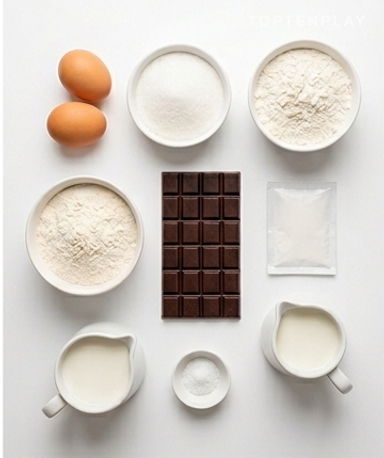
Seven pantry staples are all you need for a cake that surpasses many classic recipes.
- Dark chocolate (100 g) : This is the main ingredient, not a detail. Choose a chocolate between 60 and 70% cocoa—below that, it’s too sweet and the taste gets lost; above that, it becomes austere. Standard baking bars work perfectly. No need to hunt for a premium ‘grand cru’.
- Eggs (3) : They do the work of the butter: they bind, they aerate, they provide structure. Take them out of the fridge 20 minutes before. A cold egg in melted hot chocolate will seize everything in two seconds and is a nightmare to fix.
- Milk (100 ml) : Its role is to soften the batter and help the chocolate integrate uniformly. Plant-based milk works just as well—oat milk in particular, which adds a slight extra roundness without changing the taste.
- Sugar (100 g) : This is moderate for a chocolate cake. The result isn’t very sweet, which allows the cocoa to shine. If you like sweeter desserts, go up to 120 g—beyond that, it crushes everything else.
Why the butter was never really missed
The reputation of butterless cakes suffers from a misunderstanding. We associate them with sad diets or waiting-room magazine recipes. But if you think about it, butter in a chocolate cake doesn’t provide much that eggs and milk can’t do. Beaten eggs incorporate air. Milk thins the batter. And melted chocolate already brings its own fats. The resulting batter is smooth, supple, and a deep brown that clings slightly to the spatula—exactly what we’re looking for.
The part everyone rushes through
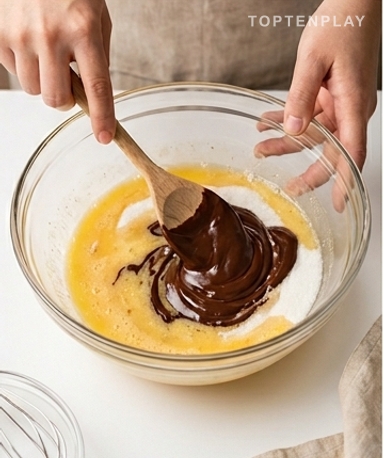
Whisking the eggs with the sugar. It seems trivial. It isn’t. Take two good minutes to whisk—not thirty seconds distractedly. The mixture should change from bright yellow to a pale cream color, almost beige, and slightly double in volume. This incorporated air gives the butterless cake its characteristic airy texture. Skip this step and you’ll still get something good, but denser and flatter. It’s worth those two minutes.
Melting the chocolate without ruining it
In a double boiler over very low heat, the chocolate gradually transforms from a brittle bar into a smooth, shiny cream that falls in a thick ribbon. In the microwave, it’s doable, but in 30-second bursts, stirring in between. Overheated chocolate becomes grainy and rough under the spatula instead of silky—you’ll recognize it by the texture. Let it cool for five minutes before folding it into the eggs, otherwise it will cook the yolks on contact.
In the oven, and not a second too long
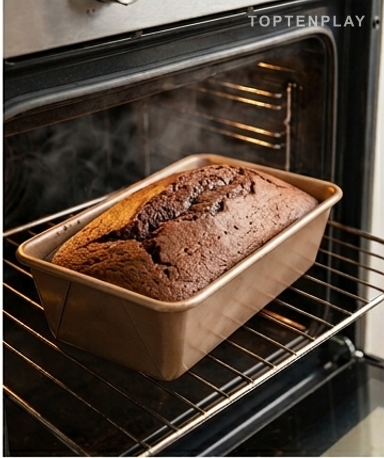
180°C, 30 to 35 minutes. The tip of a knife should come out with a few moist crumbs clinging to it—neither clean nor liquid. Clean means overcooked: the cake will be dry by the next day. The batter rises slightly at the edges before the center, and a small crack appears on top. This is normal, even a good sign. The smell coming from the oven—warm chocolate mixed with something slightly caramelized at the edges—is the signal that it’s ready.
Tips & Tricks
- Let the cake cool completely in the tin before unmolding. If you are impatient, the crumb will tear in the center—20 minutes is enough, but those 20 minutes are mandatory.
- Add a small teaspoon of instant coffee to the batter with the flour. You won’t taste the coffee, but it intensifies the chocolate amazingly. It’s an old pastry chef’s trick.
- For pockets of melted goodness inside, toss a handful of chocolate chips into the batter just before baking—they sink slightly during cooking and create denser, more intense spots.
My cake came out too dense. What happened?
The most common cause is poorly whisked eggs. You really need to take the time to beat them with the sugar until the mixture pales and grows slightly—at least 2 minutes. Another possibility: chocolate that was too hot cooked the eggs on contact, breaking the texture before baking even started.
How do I store the cake and for how long?
At room temperature in an airtight container or wrapped in cling film, it keeps for 2 to 3 days without a problem. In the refrigerator, up to 5 days—but take it out 15 minutes before eating to restore its softness. It also freezes very well in individual slices for up to 1 month.
Can I replace dark chocolate with milk chocolate?
Yes, but the result will be sweeter and less intense. If using milk chocolate, reduce the sugar to 70-80 g to balance it out. Below 40% cocoa, the chocolate flavor really starts to vanish—which would be a shame for a recipe where it’s the soul.
Can I make this cake gluten-free?
Yes. Simply replace the 100 g of flour with 80 g of rice flour + 20 g of cornstarch. The texture will be slightly more crumbly, but the taste remains identical. Also check that your baking powder is certified gluten-free.
Can I make an egg-free version?
Yes. Replace the 3 eggs with 150 g of unsweetened applesauce. The cake will be a bit moister and less airy, but it holds up well during baking. This is the best substitution specifically for this recipe.
Can I add chocolate chips or nuts?
Absolutely. Fold them into the batter last, just before pouring into the tin. To prevent chips from sinking to the bottom, toss them in a spoonful of flour before adding them—they stay better distributed during baking.
Butterless Chocolate Cake
French
Dessert
A moist and intensely chocolatey cake, without butter. Ready in 50 minutes with seven pantry staples.
Ingredients
- 100 g dark baking chocolate (60-70% cocoa)
- 3 eggs (at room temperature)
- 100 g caster sugar
- 100 g all-purpose flour
- 1 sachet (11 g) baking powder
- 100 ml milk (or plant-based milk)
- 1 pinch fine salt
Instructions
- 1Preheat the oven to 180°C (fan oven). Grease a cake tin or line it with parchment paper.
- 2Melt the chocolate in a double boiler or in the microwave in 30-second intervals, stirring between each. Let it cool for 5 minutes.
- 3Whisk the eggs with the sugar for 2 minutes until the mixture pales and becomes slightly frothy.
- 4Fold the warm melted chocolate into the egg-sugar mixture and stir gently with a spatula.
- 5Add the sifted flour, baking powder, and salt. Mix gently until you have a smooth batter with no lumps.
- 6Gradually pour in the milk while mixing. The batter should be smooth and slightly runny.
- 7Pour into the tin and bake for 30 to 35 minutes. The tip of a knife should come out with a few moist crumbs—not clean.
- 8Let cool for 20 minutes in the tin before unmolding.
Notes
• Storage: 2-3 days at room temperature in an airtight container, up to 5 days in the fridge. Can be frozen in slices for up to 1 month.
• For a more intense flavor: add 1 teaspoon of instant coffee to the batter with the flour. The coffee isn’t tasted but enhances the chocolate.
• Even more decadent version: fold in 50 g of chocolate chips or crushed hazelnuts into the batter before baking.
Nutrition Facts (per serving, estimated)
| 205 kcalCalories | 5 gProtein | 29 gCarbs | 8 gFat |