📌 Breuss Juice Diet: Why Medical Experts Reject the 42-Day Cancer Cure Claims Despite Nutritional Benefits
Posted 13 December 2025 by: Admin
The Controversial 42-Day Fast That Captivated Alternative Medicine
In the mid-20th century, an Austrian naturopath named Rudolf Breuss challenged conventional medicine with a radical proposition: that the body could heal itself through extreme dietary restriction. His 42-day juice-only protocol promised to starve cancer cells while nourishing healthy tissue—a claim that would resonate across alternative medicine circles for decades to come.
Breuss’s credibility rested on a striking assertion: over 45,000 patients had benefited from his method. The logic seemed straightforward—perhaps deceptively so. He theorized that cancer cells depend on solid proteins and refined sugars to proliferate. Remove these elements entirely, consume only vegetable juice and herbal teas, and malignant growths would weaken while the immune system strengthened. No solid food, no meat, no dairy. Complete abstinence from conventional nutrition for six weeks.
The appeal was undeniable. For patients exhausted by standard treatments or skeptical of pharmaceutical intervention, here was a natural alternative rooted in decades of claimed clinical experience. The regimen spread globally, inspiring devotion among holistic practitioners and desperation among those seeking hope beyond conventional oncology.
Yet the medical establishment responded with measured but firm skepticism. Cancer Research UK and the Mayo Clinic issued explicit warnings: while vegetable juices contain valuable nutrients, there exists no scientific evidence that fasting or juice-only diets cure cancer. More pointedly, they cautioned that such regimens should never replace standard cancer treatments—a distinction that separated nutritional curiosity from dangerous medical misguidance.
The question remained: what exactly was in this famous formula that inspired such passionate advocacy?
Inside The Original Austrian Formula: The Precise Recipe
The intrigue surrounding Breuss’s method ultimately hinged on one deceptively simple element: the juice itself. What made this particular blend distinctive enough to captivate practitioners worldwide was not mystique, but precision. Breuss had meticulously calculated a five-vegetable composition, each ingredient assigned an exact percentage designed to maximize nutritional density while maintaining his theoretical mechanism of action.
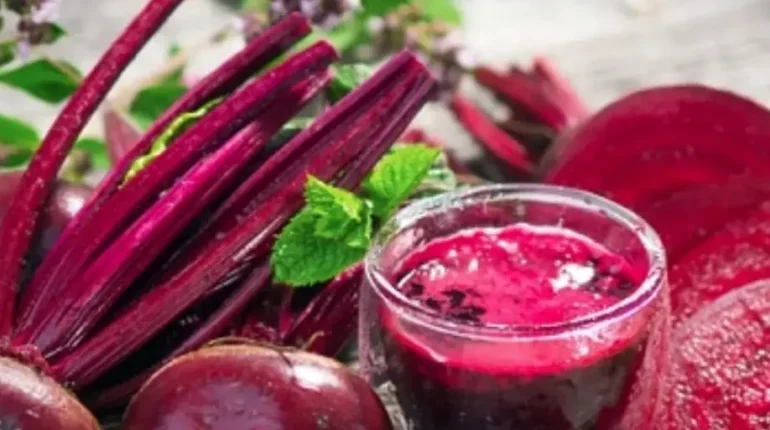
The formula consists of beetroot as the foundation at 55 percent, followed by carrot and celery root at 20 percent each, with potato contributing 3 percent and white radish just 2 percent. In practical terms, this translates to 550 grams of beetroot, 200 grams each of carrot and celery root, 30 grams of potato, and 20 grams of white radish—a total mixture of 1,000 grams. The vegetables are washed, peeled, and processed through a juicer or blender into a smooth mixture.
Critical to Breuss’s protocol was the consumption method itself. Practitioners were instructed to drink merely one glass slowly, two to three times daily—deliberately small portions designed to sustain rather than satiate. This measured approach, combined with supplementary herbal teas and pure water, formed the complete nutritional intake for the entire 42-day period. Breuss emphasized organic vegetables and freshly prepared batches, arguing that processing or storage would diminish potency.
The specificity of these measurements reveals something important: Breuss had conducted what he considered rigorous empirical observation over decades. Whether those observations held scientific validity was an entirely different question—one that modern analysis would scrutinize with considerably more skepticism than his contemporaries afforded him.
What Modern Science Actually Confirms About These Ingredients
As the medical establishment began examining Breuss’s formula with rigorous scrutiny, a compelling question emerged: did the individual vegetables possess legitimate nutritional merit, independent of cancer-cure claims? The answer proved simultaneously encouraging and cautionary.
Beetroot’s betalains and betaine compounds demonstrate genuine antioxidant and anti-inflammatory properties, according to research published in the Journal of Food Science (2020). Studies substantiate that beetroot juice improves blood flow, supports liver detoxification, and reduces oxidative stress—mechanisms aligned with Breuss’s intuition, though conspicuously absent from oncology’s arsenal against tumors. Carrots contribute beta-carotene, which converts to vitamin A, bolstering immune function and cellular repair. Yet the National Cancer Institute (NCI) delivers a stark counterpoint: excessive beta-carotene supplementation neither prevents cancer nor remains harmless in elevated doses, particularly for smokers.
Celery and radish introduce polyphenols and sulfur compounds that meaningfully reduce inflammation and enhance digestion. These vegetables also provide hydration and potassium, essential for electrolyte balance during extended fasting. Potatoes, though modest contributors, supply vitamin C and energy—particularly valuable when solid food consumption ceases entirely.
The critical distinction crystallizes here: each ingredient delivers measurable nutritional benefit. None, however, translates into cancer treatment. The vegetables nourish the body and support foundational health markers. What they cannot accomplish—what no juice can accomplish—is what Breuss promised. This separation between legitimate supplemental value and inflated therapeutic claims would define how modern practitioners could safely approach his controversial legacy.
The Medical Verdict And Safe Modern Alternative
The medical consensus arrives unambiguous: Cancer Research UK (2023) explicitly states there is no scientific evidence that the Breuss diet can treat or cure cancer. Prolonged fasting carries documented risks—weight loss, fatigue, malnutrition, and immune suppression—that compound rather than mitigate serious illness. The Mayo Clinic reinforces this position, warning that juice-only regimens deprive the body of essential proteins and fats required for cell repair and recovery.
Yet dismissing Breuss’s legacy entirely overlooks a practical truth. The vegetables themselves retain genuine nutritional value. A modernized, evidence-based approach acknowledges this distinction: the juice functions as supplemental nutrition, not as medical treatment.
This reframed protocol incorporates the original vegetables into a balanced diet while maintaining adequate protein and calorie intake. The mixture becomes a nutrient-packed, detox-friendly beverage—consumed alongside whole foods rather than replacing them. Medical consultation remains non-negotiable, particularly for individuals with chronic conditions.
The fundamental shift reflects how science matures: Breuss’s radical claims have been thoroughly debunked, yet his intuition about vegetables’ restorative properties endures. One cannot cure cancer with juice. One can, however, nourish the body intelligently. That distinction separates dangerous mythology from responsible wellness practice.