Breast cancer remains one of the most common cancers affecting women worldwide, yet its earliest signs are often subtle or even painless. Recognizing warning indicators before symptoms become severe can make a critical difference in treatment outcomes. Experts stress that awareness, regular self-examination, and timely medical screening are the most powerful tools available.
En bref
- —4 key warning signs can appear before pain develops
- —Mammograms detect changes before symptoms are visible
- —Self-exams should complement, not replace, professional screenings
Lumps and Swelling: The Most Recognized Warning Sign
One of the most well-known early indicators of breast cancer is the appearance of a new lump or area of thickening, either in the breast itself or in the underarm area. Lymph nodes located in the armpit can enlarge for a variety of reasons, including minor infections, and often return to normal on their own.

However, a lump that persists, grows, feels firm, or does not move easily should be evaluated by a medical professional without delay. These lymph nodes are directly connected to nearby breast tissue and can reflect deeper changes that may not yet be visible.
It is important to note that not all lumps are cancerous. Breast tissue naturally responds to hormones, aging, and benign conditions such as cysts. Nevertheless, any new or unusual lump that does not resolve warrants prompt attention, as early-stage cancer can present without pain or obvious discomfort.
Changes in Breast Shape, Size, and Skin Texture
Beyond lumps, significant changes in the overall shape or size of the breast can serve as important warning signs. These changes may develop gradually and are sometimes dismissed as normal fluctuations, making consistent self-awareness particularly valuable.

Skin changes are equally significant. Redness, thickening, or dimpling of the breast skin should not be overlooked. A particularly notable sign is a texture resembling orange peel skin, medically referred to as peau d’orange, which can indicate changes in the lymphatic system beneath the skin’s surface.
Persistent pain in the breast, even without a detectable lump, also falls into this category of symptoms requiring evaluation. While many of these signs are linked to benign conditions, their persistence over time is what makes medical assessment necessary.
Why early detection matters
Breast cancer is among the most frequently diagnosed cancers in women globally. When detected at an early stage, treatment options are broader and outcomes are significantly more favorable. Despite this, many women remain unaware of the subtle signs that can appear long before a cancer becomes advanced.
Nipple Changes and Unusual Discharge
Changes involving the nipple represent another important category of early warning signs. These can include unexpected alterations in the nipple’s appearance, position, or texture, all of which should be brought to a doctor’s attention.

Unusual discharge from the nipple is a particularly notable indicator, especially when the discharge is bloody or occurs without any pressure being applied. While nipple discharge can result from a range of benign causes, any unexplained or persistent discharge warrants a medical evaluation.
As with other symptoms, nipple changes alone cannot confirm a diagnosis of cancer. However, their presence alongside other signs, or their persistence over time, makes professional assessment essential for accurate diagnosis.
The Role of Screening, Self-Exams, and Healthy Habits
Because symptoms alone cannot confirm a breast cancer diagnosis, proper medical assessment is a critical step. Doctors typically begin with a physical examination, followed by imaging tests such as ultrasound or mammography to examine internal breast tissue in detail.
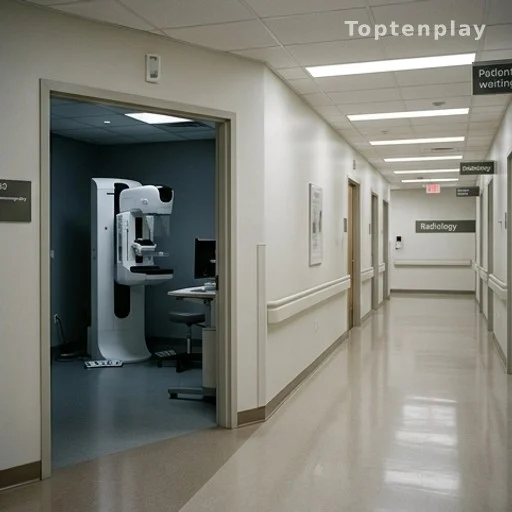
Mammograms are especially valuable because they can detect early changes before any symptoms become apparent. If a suspicious area is identified, a biopsy may be performed to analyze tissue samples and determine whether the condition is benign or requires further treatment.
Regular self-examinations play an equally important role. Performed consistently, ideally after menstruation, they help individuals understand what is normal for their own bodies, making it easier to notice any unusual changes over time. Experts are clear, however, that self-exams should complement professional screenings, not replace them.
Beyond detection, a balanced diet, regular exercise, and limiting alcohol consumption support overall breast health and general wellness. Routine screenings combined with healthy lifestyle choices and prompt attention to any new or persistent change form the most effective foundation for early diagnosis and better treatment outcomes.
Breast health awareness is not about generating fear, but about building knowledge that can save lives. The four key warning signs — lumps or swelling in the breast or underarm, changes in shape or size, skin abnormalities such as dimpling or redness, and nipple changes or unusual discharge — are all indicators that merit prompt medical attention when they persist. Combined with regular self-examinations, routine professional screenings such as mammograms, and a healthy lifestyle, early awareness remains the most powerful tool women have for timely diagnosis and effective treatment.