📌 Braised beef tongue: the traditional 8-step recipe with celery, carrots, and homemade broth
Posted 27 January 2026 by: Admin
Preparation And Ingredients Of Braised Beef Tongue
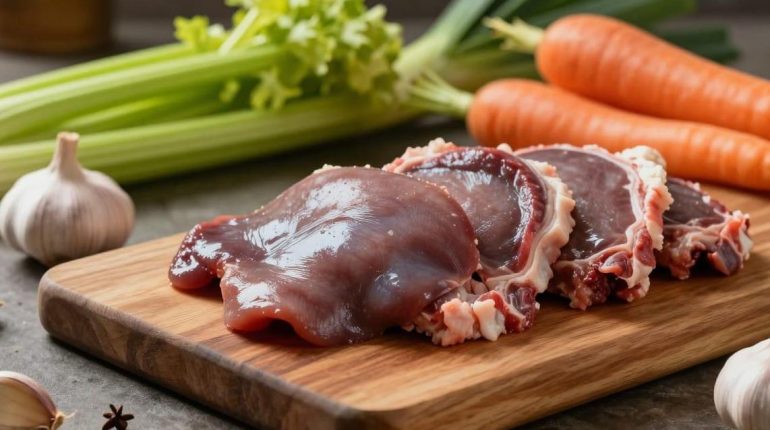
This traditional recipe is based on a beef tongue of about 1.5 kg, a noble cut that requires long cooking to reveal all its tenderness. The success of the dish depends as much on the quality of the meat as on the precise balance of the accompanying aromatics.
The aromatic foundations are built around 2 celery stalks, 2 garlic cloves, and an onion studded with 2 cloves. The bouquet garni, composed of thyme, bay leaf, and parsley, provides the characteristic herbaceous signature of classic braising. These elements are not mere garnishes: they infuse the broth and penetrate the meat fibers during cooking.
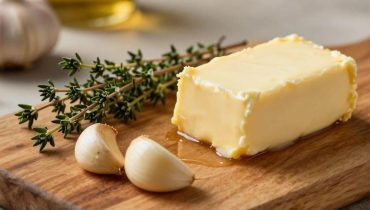
As for vegetables, 2 carrots sliced into rounds and 1 leek cut into sections will simmer in the juices, absorbing flavors while structuring the dish. For cooking, 30g of butter and 2 tablespoons of olive oil are planned for searing, 1 tablespoon of tomato paste for depth, and 50cl of beef broth which will constitute the braising liquid. Salt and black pepper will allow for final seasoning adjustment.
This list of ingredients, seemingly simple, actually hides a clever dosage that will transform the tongue into a melting and fragrant dish. Each component plays a precise role in the culinary alchemy of braising.
The Braising Technique: Foundations And Method
Braising relies on a double cooking process that first seals the meat before letting it simmer for a long time in its juices. For the tongue, we start with a sear in the butter-olive oil combination, a technique that combines the flavor of butter with the heat resistance of oil. This initial step caramelizes the surface and develops the fundamental aromas.
Once the tongue is browned, the tomato paste enters the scene. This concentrated tablespoon brings umami depth and colors the broth that will serve as the braising base. The 50cl of beef broth then generously wets the preparation, creating the liquid environment necessary for slow and penetrating cooking.
The bouquet garni and the onion studded with cloves do more than just perfume: they transform the simple broth into an aromatic juice that will permeate every fiber of the meat during the hours of cooking. Thyme brings its Mediterranean note, bay leaf its power, parsley its freshness, while cloves distill their characteristic spicy heat.
Seasoning with salt and black pepper is done sparingly, as the broth and concentrate already provide a saline base. This restraint allows the aromatics to express themselves fully without being masked by excessive seasoning.
The Role Of Aromatics In The Recipe
Celery constitutes the aromatic base of the preparation. Its two stalks diffuse a vegetable freshness that balances the richness of the meat and brings that slightly aniseed note characteristic of traditional braising. Unlike more powerful aromatics, celery works subtly, revealing its presence through discreet touches rather than direct assertion.
Garlic intervenes with its two cloves to establish an indispensable depth of taste. During the long cooking, its sulfur compounds transform and lose their aggressiveness to develop a candied sweetness that permeates the broth. This thermal metamorphosis makes garlic a natural flavor enhancer that magnifies other flavors without dominating them.
The onion studded with cloves represents the classic duo par excellence. The onion releases its sugars into the cooking liquid while the two cloves distill their spicy heat, that warm and slightly peppery note that signs great braises. This ancestral association creates a complex aromatic background.
The bouquet garni closes the loop with its herbaceous trio. Thyme brings its Mediterranean greenness, bay leaf its camphorated power, parsley its chlorophyll freshness. Together, they compose that olfactory signature that transforms a simple offal into a gastronomic dish.
Accompaniments And Finishing Of Braised Tongue
Carrot rounds soak up the broth during braising and take on all the accumulated flavors. Their melting texture contrasts with that of the tongue, while their natural sweetness absorbs the spicy notes of the cloves and the depth of the tomato paste. They thus become much more than a garnish: an essential accompaniment that extends the taste experience of the dish.
The leek sections play a different part. Its fibrous structure resists long cooking better and retains a slight firmness that provides relief in the mouth. Its concentric layers capture the braising juice like an aromatic sponge. This absorption capacity makes the leek the perfect vehicle for transporting the flavors of the broth.
Final seasoning with salt and black pepper allows for adjusting the taste balance after the reduction of the cooking liquid. Freshly ground black pepper brings a piquant note that wakes up the palate and highlights the richness of the meat. This final intervention transforms the concentrated broth into a true sauce, that smooth reduction that coats every element of the dish.
This natural sauce, born from the meeting of beef broth, tongue juices, and candied aromatics, represents the culmination of the braising technique. It unifies all components while respecting their own identity.