Black Spots on Walls: An Alarm Signal Not to Be Ignored
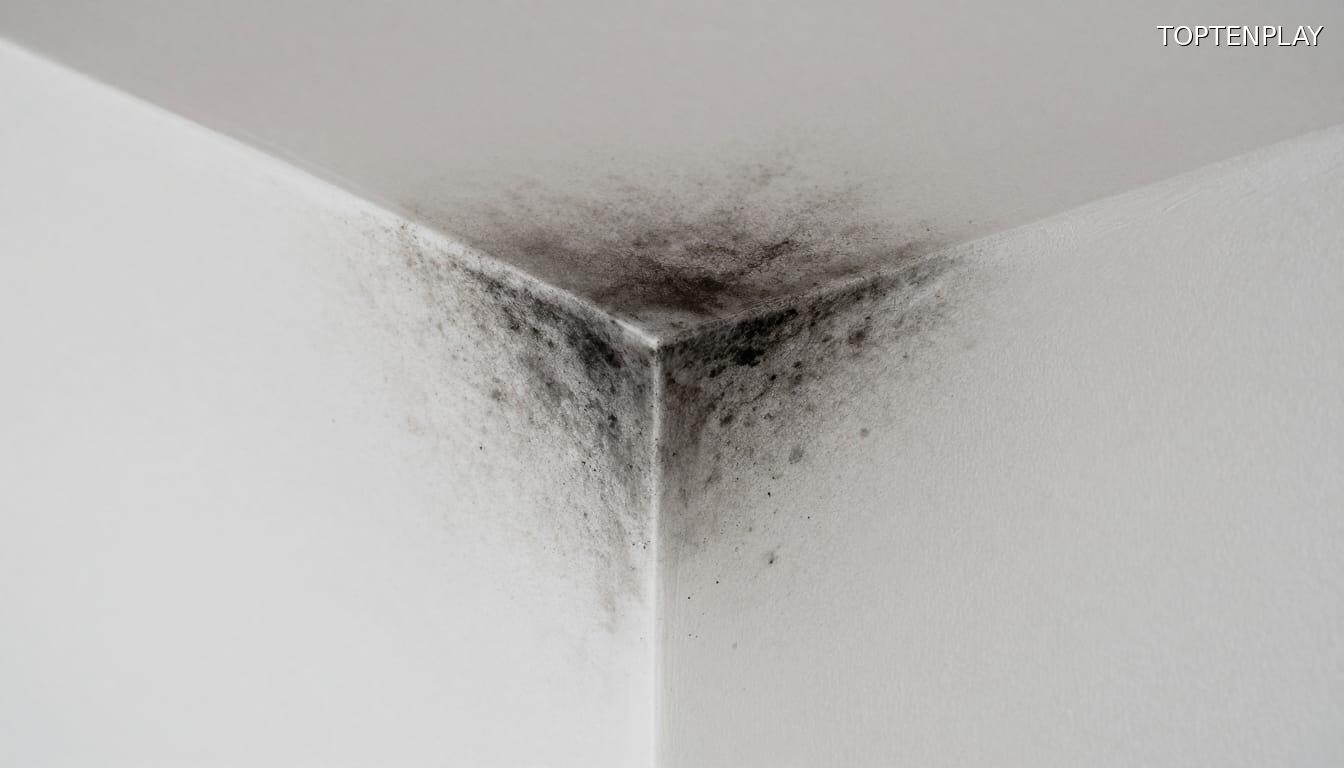
It all starts with a detail that the eye brushes over without lingering: a slight dark mark in the corner of a room. Nothing worrying, at first glance. Perhaps a bit of dust, a trace left by a piece of furniture. Then, week after week, the spot widens, darkens, and a characteristic smell — damp, acrid — begins to settle in.
It is at this stage that many make the mistake of underestimating the phenomenon.
These blackish marks that progressively colonize wall corners are not simple traces of dirt. In the majority of cases, they are early signs of excessive humidity — a signal that the structure of the home itself is sending before the damage becomes visible and costly.
The progression is precisely what makes this problem insidious: silent, slow, it leaves plenty of time to act… provided you know how to recognize the signs. A spreading spot, a color turning deep black, a persistent musty smell: these three indicators combined should no longer be ignored.
Excessive humidity creates the ideal conditions for the development of mold, microorganisms whose impact can go beyond a simple aesthetic issue. Understanding why this phenomenon occurs is the first step to ending it effectively.
Understanding the Causes: Why Does Humidity Take Over?
Behind this mold that settles in lies a simple but remarkably effective physical mechanism: condensation.
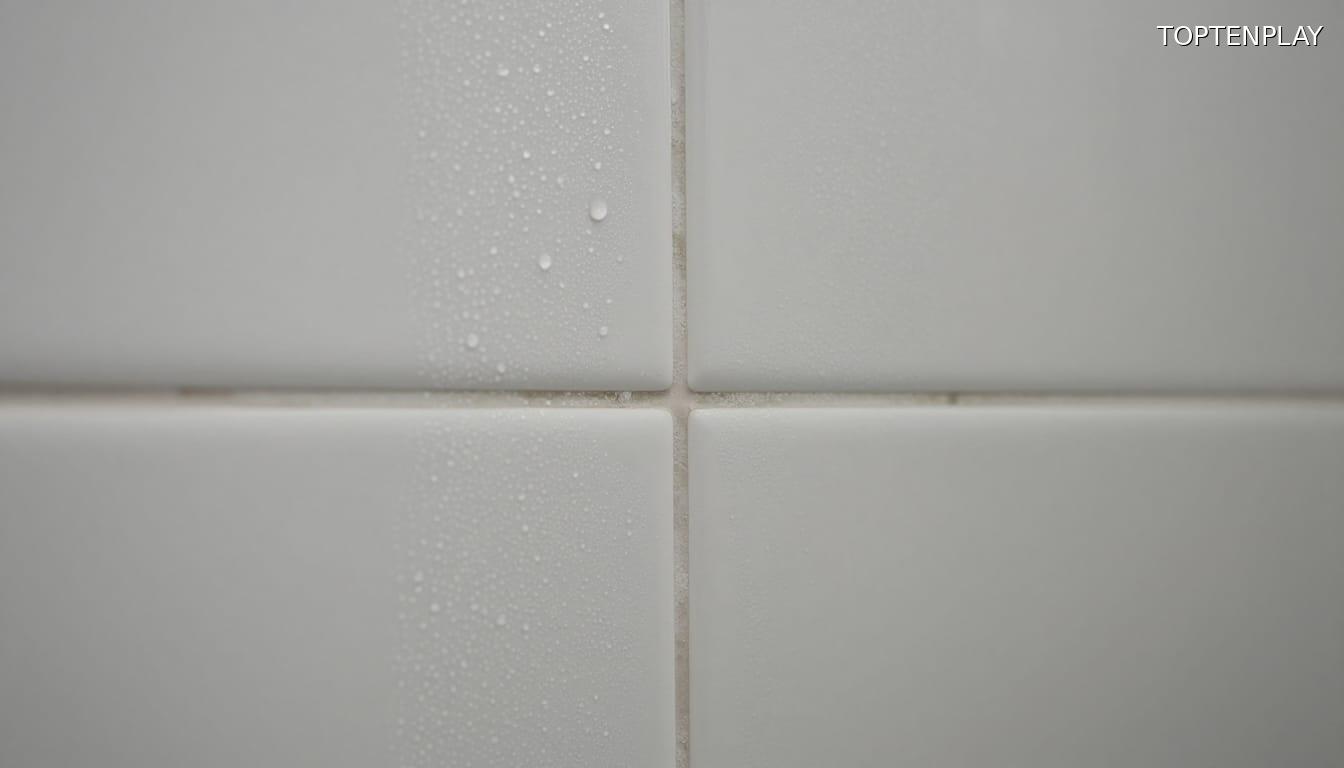
When warm, humid air in a room comes into contact with a colder wall surface, water vapor turns into fine droplets. These micro-deposits, initially invisible to the naked eye, progressively saturate the material. The result? A constantly damp substrate, the ideal breeding ground for mold proliferation.
Certain rooms are particularly vulnerable to this phenomenon. The bathroom alone concentrates a considerable amount of vapor with every shower. The kitchen generates condensation with every cooking session. The laundry room releases humidity during every wash cycle. As for insufficiently ventilated bedrooms, they silently accumulate the vapor produced by nighttime breathing — often several liters of water per night in a home occupied by two people.
It is precisely in these environments that relative air humidity plays a decisive role. As soon as it exceeds a certain threshold, condensation accelerates and mold finds optimal conditions to develop sustainably.
Understanding this mechanism also means understanding that certain daily factors — often unsuspected — can considerably worsen the situation, sometimes without the problem being visible before it is already well established.
Aggravating Factors: What Accelerates the Problem Without Us Knowing
While condensation creates the initial conditions, other daily factors transform a budding problem into lasting structural damage.
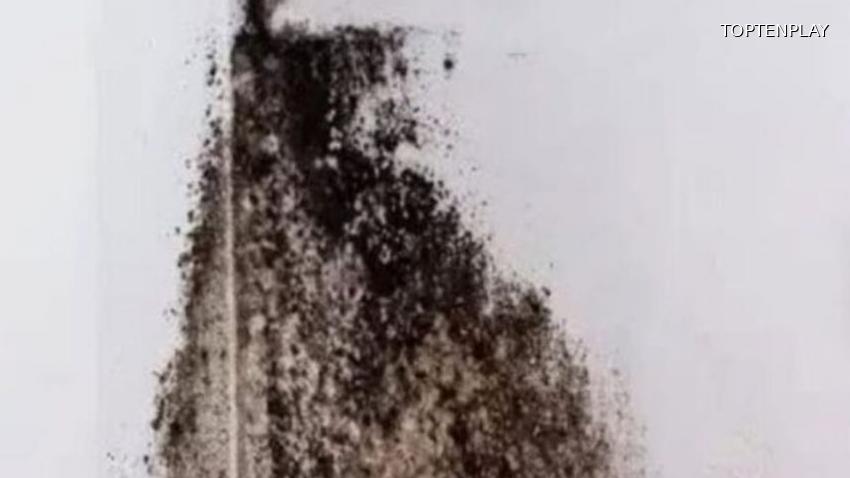
Poor ventilation is at the top of the list. A poorly ventilated room retains the humidity produced by everyday activities, leaving saturated air to stagnate against the walls. But the most unsuspected culprit is often furniture: a simple sofa or a wardrobe placed too close to a wall is enough to totally block air circulation. In this confined space, humidity accumulates chronically, invisible in daily life, until mold finally reveals its presence.
Infiltration is another frequently neglected source of aggravation. A clogged gutter, a damaged roof, or a crack in the foundation can introduce water directly into the walls, regardless of the indoor humidity level. These infiltrations, often slow and silent, remain undetectable for months.
Finally, insufficient wall insulation accentuates the temperature differences between the wall surface and the ambient air — this thermal differential precisely accelerating the condensation described in the previous part.
The uniqueness of these aggravating factors lies in their invisibility: they operate in silence, under furniture and behind partitions, long before the slightest visible sign alerts the occupants. This observation then raises an essential question: when and how to act to halt the progression before it is too late?
Act Fast: Concrete Actions to Stop the Progression
Faced with factors as discreet as they are formidable, the most effective response remains immediate action — and it is within everyone’s reach.
First reflex: ventilate daily, even in winter. Ten minutes are enough to renew the air in a room and evacuate the humidity accumulated in a few hours of occupancy. A minimal gesture, but one whose impact on mold prevention is considerable.
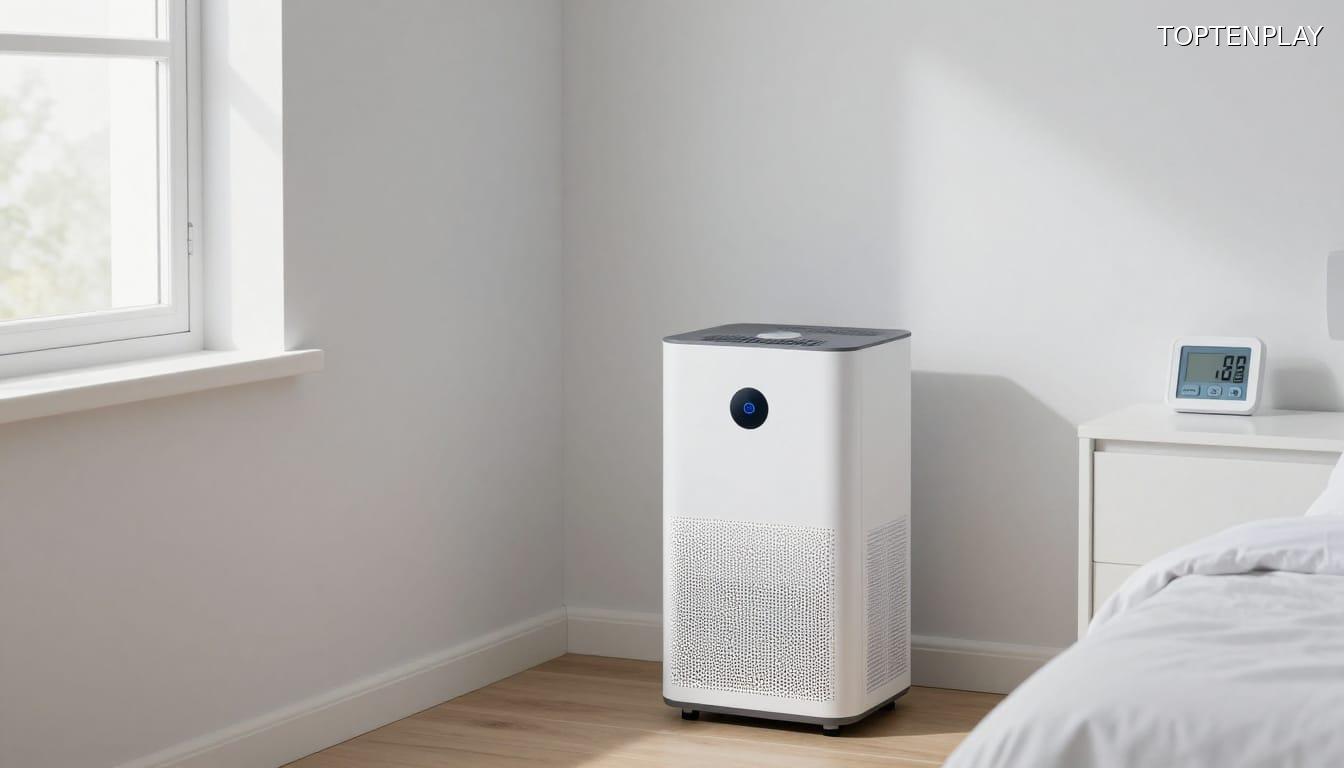
Monitoring the indoor humidity level is the next step. The ideal is between 40 and 60% — a balance easy to monitor with a simple hygrometer available for a few euros. Beyond this threshold, a dehumidifier or a moisture absorber placed in sensitive areas is often enough to restore a healthy environment.
The question of furniture, identified as an aggravating factor, finds its simplest solution here: moving wardrobes and sofas a few centimeters away from the walls immediately restores air circulation in the most at-risk corners.
These preventive measures share an essential quality: their cost is almost zero compared to the damage they avoid. Because mold detected early can be treated in a few minutes; left to itself, it can compromise the integrity of partitions, affect air quality, and lead to much heavier renovation work. Acting on the first signals is precisely what separates a simple black spot from a lasting structural problem.