📌 Beef kefta in tomato sauce: the technique of golden oval patties for a melting result
Posted 25 January 2026 by: Admin
Homemade Kefta Preparation
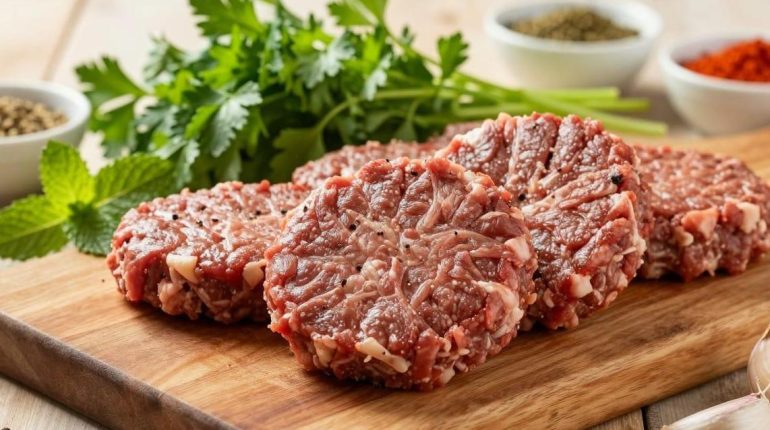
In a simple bowl, the first step of a recipe that subtly reinvents tradition takes place. Finely chopped onion, crushed garlic, chili powder, a pinch of nutmeg, and fresh herbs — parsley and mint — intermingle with the ground beef under the action of the hands. This manual handling, far from being trivial, allows the aromatics to release their essential oils and penetrate the meat uniformly.
The distinctive element comes in a bottle: Kikkoman soy sauce. Incorporated from this phase, it infuses the meat with an umami depth that transcends culinary boundaries. This unexpected Asian touch enriches the flavor profile without denaturing the Mediterranean identity of the keftas, creating a harmony between the Orient and the Far East.
Shaping into six oval patties concludes this preparation. The elongated shape, characteristic of traditional keftas, facilitates even cooking while offering optimal grip during plating. Each patty thus becomes the receptacle of a skillfully orchestrated balance, ready to reveal its texture during the next phase.
Cooking And Browning The Meatballs
Olive oil sizzles in the hot pan, signaling the start of a crucial transformation. The seasoned meat patties are carefully placed, each finding its spot for uniform searing. The high heat instantly seals the surface, trapping the juices inside while developing a golden crust that concentrates the aromas.
Cooking requires constant attention: each side must reach that characteristic caramelized hue, ensuring a contrasting texture between the crispy exterior and the tender heart. The meatballs are methodically turned until a homogeneous coloration is achieved over their entire surface. This step, though apparently simple, determines the final success of the dish.
Once golden, the keftas temporarily leave the pan. Their removal is not an end but a strategy: the cooking juices left in the container, loaded with caramelized drippings and flavored fats, become the liquid foundation for the upcoming sauce. These golden residues, true flavor concentrates, will transform the crushed tomatoes into a preparation of unsuspected richness.
Developing The Spicy Tomato Sauce
The crushed tomatoes join the still-hot pan, instantly blending with the amber cooking juices. This marriage releases an intense fragrance, that of a Mediterranean base preparing to receive an unexpected oriental signature. Cinnamon and cumin join this liquid alchemy, bringing an aromatic depth that transcends simple tomato sauce.
Chili powder wakes everything up while Kikkoman soy sauce completes this flavor profile with a subtle umami note. This Asian touch, far from being anecdotal, merges with traditional spices to create a complexity rarely achieved in classic preparations. The lid closes this theater of flavors for a fifteen-minute simmer, during which the ingredients harmonize into a velvety sauce.
The zest and juice of half a lime then disrupt the balance: their vibrant acidity cuts through the richness of the preparation, revealing each aromatic layer with striking clarity. The meatballs return to their original bath for a final ten to fifteen minutes of cooking. This final immersion allows the meat to absorb the spicy sauce while releasing its own juices, creating a symbiosis where each element enriches the other in perfect reciprocity.
Plating And Sides
Rice or couscous forms a neutral base that welcomes the keftas coated in their generous sauce. This cereal layer absorbs the spicy juices, transforming each grain into a receptacle of concentrated flavors. The contrast intensifies with the addition of a spoonful of yogurt, whose milky freshness immediately tempers the heat of the spices and brings a creamy sweetness that balances the lime’s acidity.
Pine nuts, lightly toasted, sprinkle the surface, providing a delicate crunch that breaks the tenderness of the meat and the smoothness of the sauce. Their subtly woody taste dialogues with the mint and fresh chopped parsley, creating an explosion of textures where softness meets crunchiness. This layering is not just aesthetic: it builds a gustatory architecture where each bite holds a different discovery.
The lime wedges arranged on the edge are not mere ornaments. Their juice, squeezed at the last moment by the guest, reactivates the entire composition and allows the intensity to be adjusted according to individual preferences. This final gesture transforms the dish into an interactive experience, where everyone becomes the master of their aromatic balance and thus reveals the full complexity of a recipe that transcends its origins to embrace an assumed modernity.