The Tex-Mex Heritage: A Dish That Conquers Tables
Steak fajitas embody this bold culinary fusion where Texas meets Mexico, a marriage of flavors that has seduced spice and grilled meat lovers for decades. This iconic dish rests on a simple but powerful promise: tender meat, multicolored peppers, and spicy notes unite to create a sensory experience that, according to the promise of this recipe, will literally make your taste buds dance.
The appeal of fajitas lies in their paradoxical accessibility. Despite their complex flavor profile and spectacular presentation, they remain surprisingly simple to execute. This recipe promises a result so convincing that requests for seconds become systematic, transforming a simple meal into a true shared taste adventure.
This Tex-Mex preparation is specifically aimed at spicy food enthusiasts looking for the perfect balance between ease of execution and an explosion of flavors. Unlike dishes that require hours of preparation, fajitas rely on the intelligence of the marinade and the quality of the ingredients to generate maximum flavor impact with minimal effort. The secret lies precisely in this alchemy of carefully measured ingredients that transform a modest slice of beef into a memorable culinary experience.
The Perfect Chemistry: Decoding The Marinade
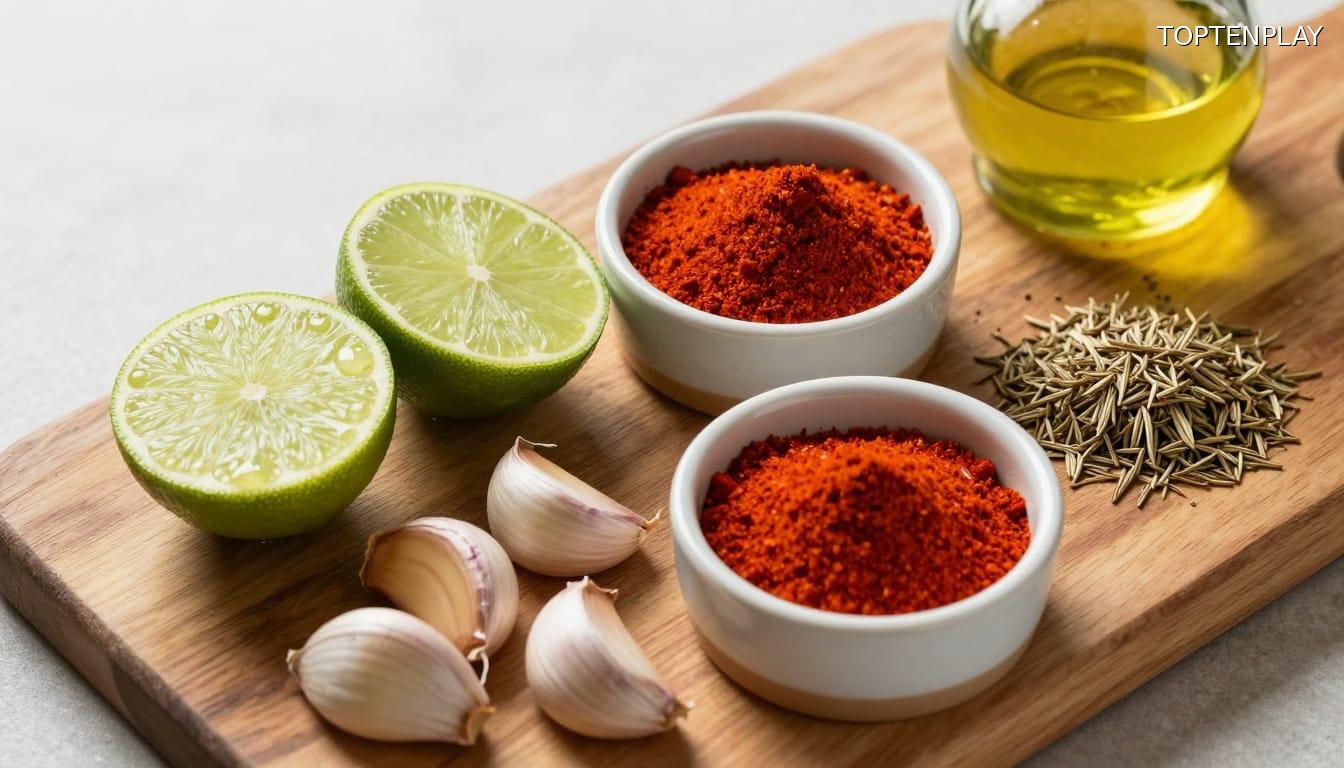
This flavor alchemy rests on an acidic base that constitutes the foundation of any great marinade: lime juice and soy sauce, in equal parts (1/4 cup each). This combination is not accidental. The acidity of the lime tenderizes the beef’s muscle fibers while the soy sauce brings umami depth and saltiness, creating a double effect of tenderizing and flavor enrichment.
The aromatic trio that follows elevates the preparation beyond simple seasoning. Three minced fresh garlic cloves release their pungent sulfur compounds, a tablespoon of chili powder deploys its progressive heat, while a teaspoon of cumin introduces that earthy note characteristic of Tex-Mex cuisine. These precise proportions are not a matter of chance: they establish a flavor hierarchy where each taste finds its place without dominating the whole.
Two complementary spices refine the aromatic profile. Paprika, at one teaspoon, brings a smoky sweetness and a deep red color that visually announces the coming intensity. Dried oregano, in the same proportion, injects that Mediterranean touch reminiscent of the dish’s mixed origins. Two tablespoons of olive oil bind these nine components, creating an emulsion that adheres perfectly to the meat and guarantees optimal penetration of aromas. This marinade transforms a simple slice of flank steak into a vector for a scientifically calibrated explosion of flavors.
From Beef To Vegetables: Two-Stage Cooking
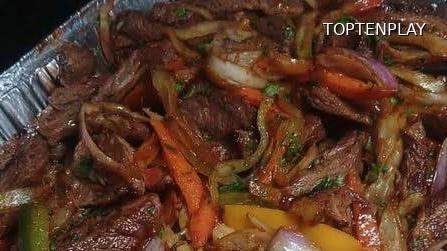
This aromatic mastery finds its culmination in a sequential cooking method that preserves the integrity of each ingredient. Flank steak, this lean and fibrous cut of meat, requires precise cutting: 450 grams thinly sliced against the grain. This cutting orientation is not optional. Slicing perpendicular to the muscle fibers shortens their length, transforming potentially tough meat into tender pieces that melt in the mouth after their time in the marinade.
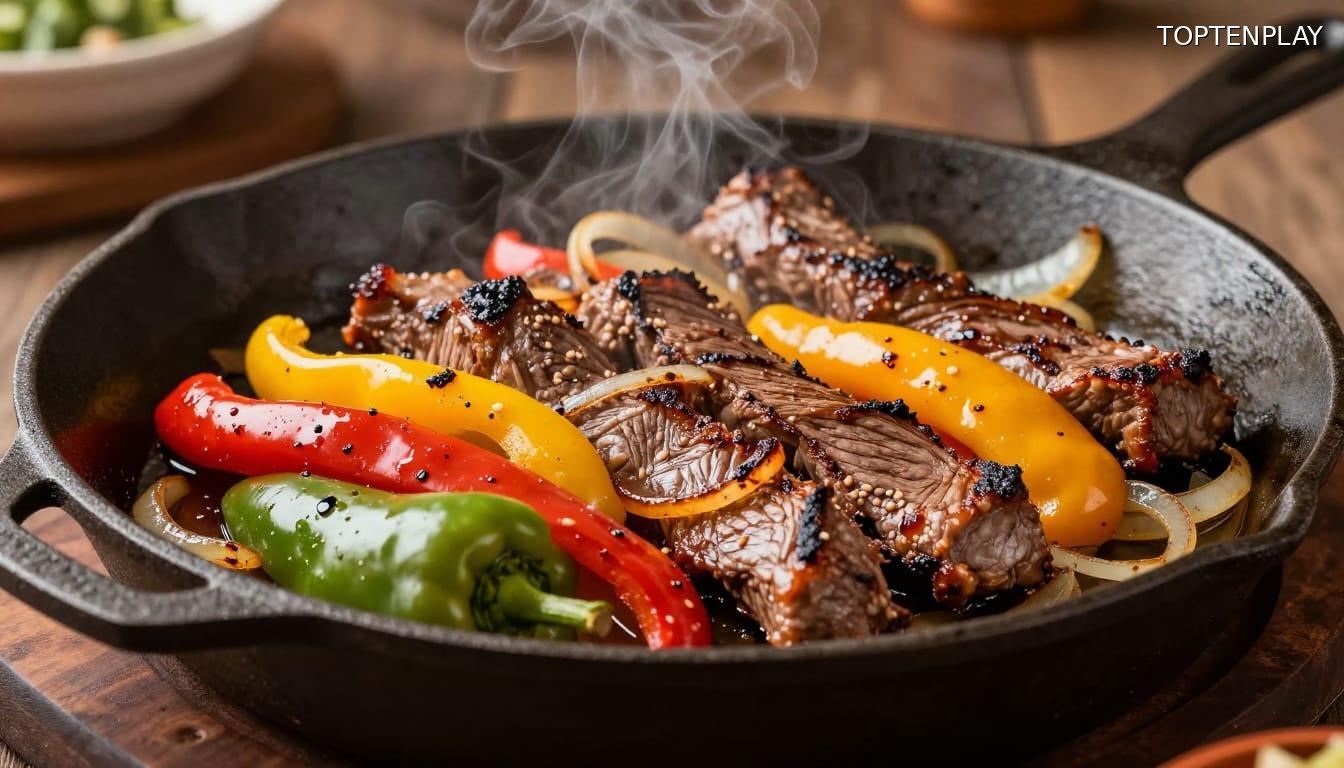
The cooking itself follows a rigorous thermal choreography. In a pan heated with two tablespoons of vegetable oil, the vegetables take the stage first: a generous-sized onion and two colored peppers, all thinly sliced. This priority for vegetables is not accidental. They require more time to develop their natural caramelization, that light roasting that concentrates their sugars and creates sweet notes contrasting with the acidity of the marinade.
Once the vegetables are tender and lightly browned, the marinated meat joins the pan for a quick sear over high heat. This two-step technique guarantees that the beef retains its internal juices while acquiring that savory external crust, while the peppers and onion maintain their crunchy texture. The result: a textural symphony where each component brings its distinct contribution, ready to meet the welcoming neutrality of flour tortillas.
The Final Assembly: Customization At Will
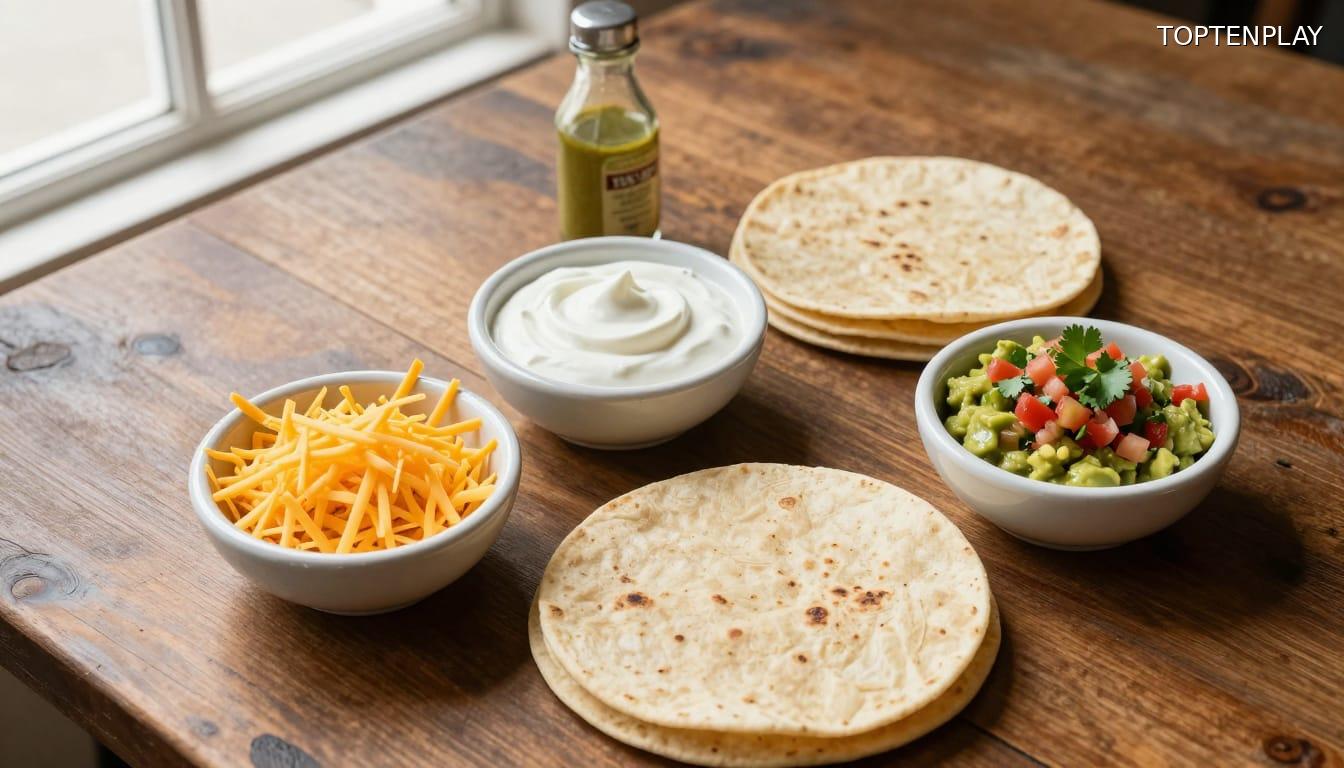
This meticulous preparation culminates in a moment of total culinary freedom. Flour tortillas, those soft and neutral wraps, become the canvas on which each guest composes their personalized work. Their soft texture absorbs the flavorful juices of the meat and vegetables without tearing, offering a structural envelope that holds everything together without imposing a dominant flavor.
The intelligence of this dish lies precisely in its modularity. Four optional accompaniments radically transform the taste experience: grated cheese brings a creamy and salty melt, sour cream introduces a milky freshness that tempers the spices, guacamole offers a vegetable creaminess rich in avocado notes, while salsa revives the whole with its tomato acidity and variable spiciness. None of these elements is mandatory; all are complementary.
This a la carte approach respects the most sensitive palates as well as lovers of extreme sensations. A child can be satisfied with meat and cheese, while an adult generously piles on all four toppings. This democratic flexibility explains why guests systematically ask for extra portions: everyone finds exactly what they are looking for in their personalized version.
The result transcends the simple recipe to become a moment of sharing where rigorous technique meets individual expression, proving that a great dish never imposes, it proposes.