📌 Bananas: why the stage of ripeness radically changes their nutritional benefits
Posted 26 January 2026 by: Admin
Bananas According to Their Ripeness: Two Distinct Nutritional Profiles
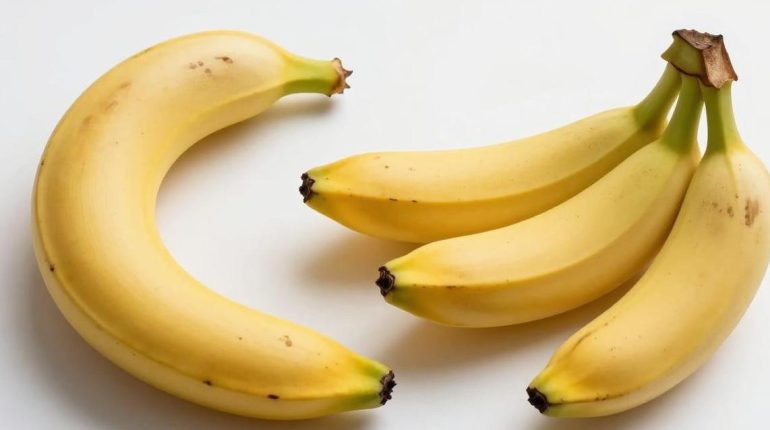
Behind the familiar appearance of this fruit lies a little-known reality: not all bananas are equal nutritionally. The stage of ripeness radically transforms the composition of the fruit and its effects on the body. A slightly ripe banana, recognizable by its uniform yellow skin with no or very few brown spots, has fundamentally different nutritional characteristics than a spotted banana, marked by multiple brownish speckles indicating full maturity.
This visual distinction reflects deep internal biochemical changes. Throughout the ripening process, the structure of carbohydrates changes, the glycemic index evolves, and digestive properties are transformed. Contrary to popular belief, neither type is objectively superior: each offers specific nutritional benefits adapted to different needs.
Understanding these differences allows you to optimize consumption based on personal goals, whether it’s glycemic control, sports performance, or digestion. The choice between a slightly ripe banana and a spotted banana is therefore not a matter of chance, but a nutritional strategy adapted to each situation.
The Global Popularity of the Most Consumed Fruit
This privileged nutritional status explains why the banana is among the most popular fruits worldwide. Its massive consumption transcends geographical and cultural boundaries, driven by a unique combination of practical and nutritional assets.
Practicality is its first decisive advantage. Naturally protected by its skin, the banana can be transported without constraints, requires no preparation or utensils, and is consumed in seconds. This ease of use makes it the ideal ally for contemporary lifestyles, where time is often lacking for elaborate snacks.
Beyond this convenience, its natural sweetness appeals to all palates without requiring added sugar. This intrinsically sweet flavor satisfies cravings while providing essential nutrients: potassium, vitamin B6, fiber, and magnesium. Unlike industrial snacks, the banana offers a complete nutritional profile that supports cardiovascular, nervous, and digestive functioning.
This triple dimension – accessibility, taste, and nutritional richness – forges the essential status of this fruit in the daily diet. But to fully exploit its benefits, one must know how to identify the stage of ripeness corresponding to specific needs.
Understanding the Visual Characteristics of Ripeness
This identification begins with observing the yellow skin with no or very few spots, characteristic of the slightly ripe banana. At this stage, the fruit displays a uniform color, its flesh remains firm, and its taste retains a slight acidity. This appearance signals an incomplete ripening process, where starch dominates the carbohydrate composition.
In contrast, the spotted banana reveals its full maturity through multiple brown spots that dot its skin. These marks do not indicate deterioration but testify to a profound biochemical transformation: the starch has gradually converted into simple sugars, softening the flesh and intensifying the flavor. The more spots multiply, the more this conversion progresses.
These visual differences are not just aesthetic. They reflect substantial internal changes that modify the molecular structure of the fruit. The resistant starch of the green banana gradually breaks down, the fibers soften, and antioxidants evolve according to dynamics specific to each phase.
Each stage thus corresponds to distinct nutritional properties: glycemic impact, digestibility, concentration of certain nutrients. Decoding these visual signs allows you to intuitively select the banana aligned with your goals – glycemic control, sports recovery, or digestive optimization.
Choosing Your Banana Based on Your Needs
This reading of external signs finds its full utility in daily practice, as both types of bananas offer distinct advantages depending on the desired goals. The slightly ripe banana, with its resistant starch and moderate glycemic index, is particularly suitable for people monitoring their blood sugar or seeking progressive energy. Its firmness and slowed digestibility also promote prolonged satiety.
Conversely, the spotted banana, bursting with simple sugars and increased antioxidants, is a wise choice for rapid assimilation. Athletes appreciate it after exercise, while its soft texture facilitates digestion for sensitive systems. Its phenolic compounds, intensified by ripening, strengthen its anti-inflammatory potential.
Understanding these differences allows for optimized consumption, going beyond taste preferences to include functional criteria. The same fruit, at two moments of its evolution, meets opposite physiological needs: energy stability versus immediate recovery, digestive control versus facilitated absorption.
This knowledge transforms an apparently trivial choice into an informed nutritional decision. Adapting your selection according to the sought-after health goals – performance, weight management, digestive comfort – maximizes the benefits of an already remarkably complete fruit. The ideal banana does not exist: it depends on the context and the moment.