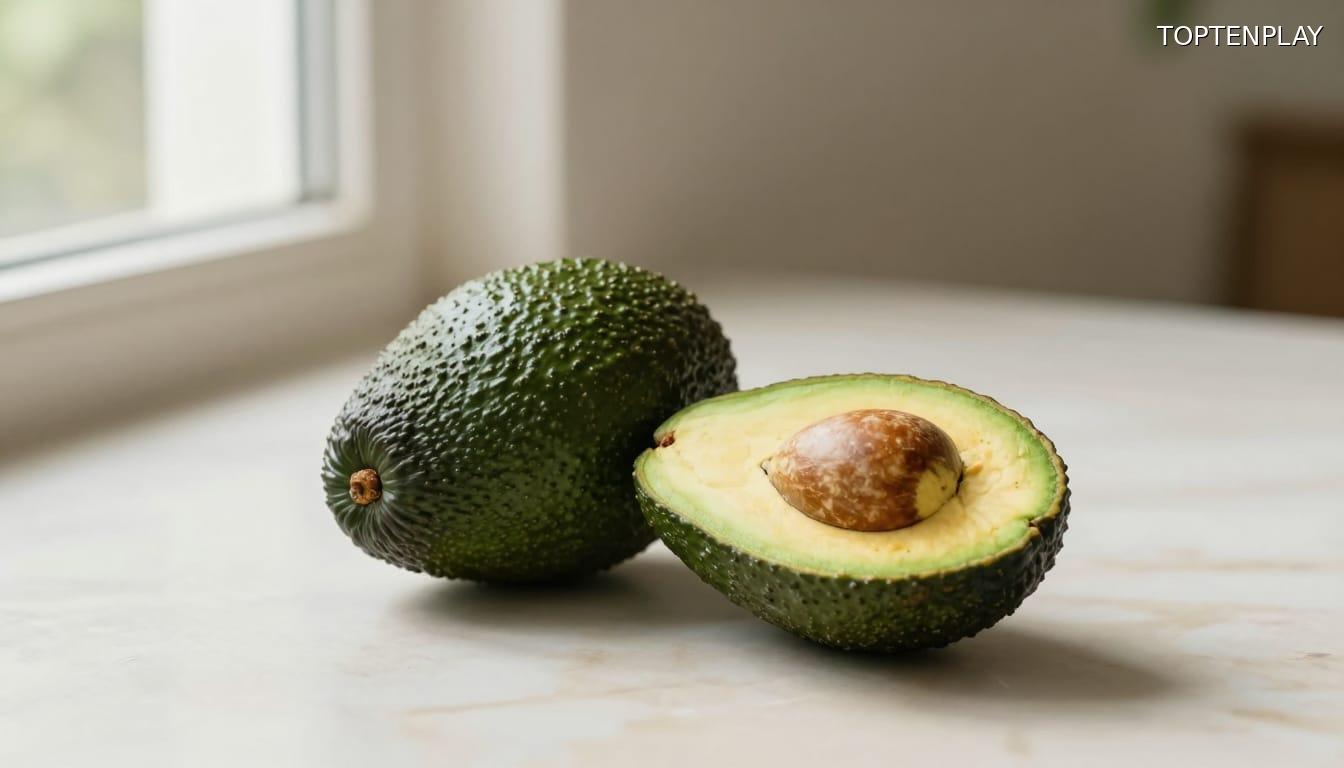
The Avocado and Weight: At the Origins of a Nutritional Misunderstanding
Few foods have divided experts as much as the avocado. For several decades, this fruit with creamy flesh has oscillated between two extremes in the world of nutrition: acclaimed superfood by some, dreaded calorie bomb by others. An ambivalence that reflects, above all, a deeply rooted confusion in people’s minds.
It all starts with a simple observation: the avocado is exceptionally rich in fats. Where most fruits contain less than 1%, the avocado shows about 15%. This figure, taken out of context, was enough to fuel lasting suspicion. For years, low-calorie diets pointed the finger at this food, relegating it to the rank of an exception to be avoided.
Yet, this reductive reading ignores an essential scientific reality: not all fats are created equal. The avocado’s identity crisis — to use the expression of nutritionists — arises precisely from this conflation of lipid quantity and real impact on body weight.
It is this paradox that doctors are seeking to demystify today. Because behind the apparently simple question “does avocado make you fat?” lies a much more nuanced answer, which science is only beginning to document rigorously.
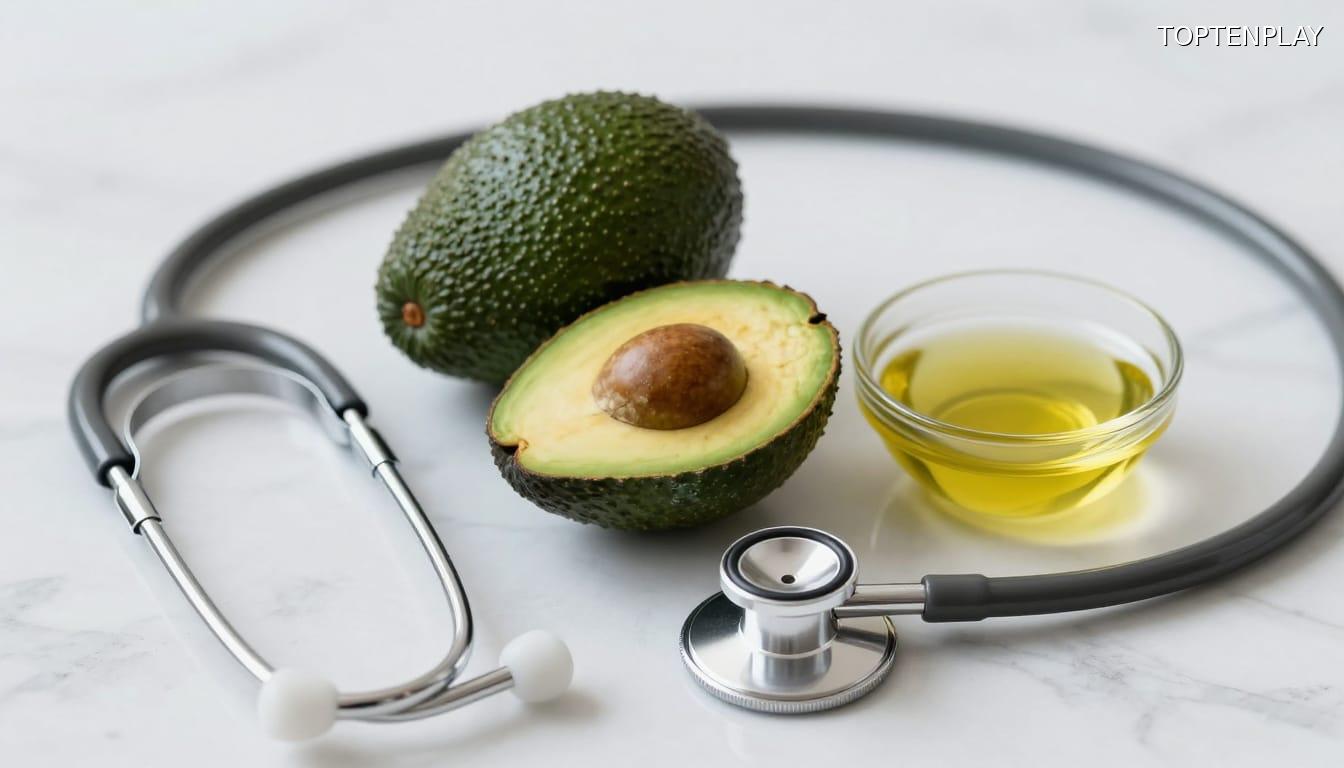
The Composition of the Avocado under the Medical Microscope
To understand why the avocado has been misjudged for so long, we must look at its biochemical reality — the one that nutritionists and doctors agree to highlight today.
Yes, the avocado is rich in fats. A medium-sized fruit contains about 22 grams. But this is where the nuance becomes decisive: nearly 80% of these lipids are unsaturated fatty acids, mostly oleic acid — the same one that gives olive oil its reputation. This lipid profile, far from being alarming, is precisely what cardiologists recommend.
Clinical studies are clear. A review published in Frontiers in Nutrition in 2025 lists numerous randomized trials demonstrating that regular avocado consumption reduces LDL-cholesterol by 9 to 17 mg/dL, while improving overall lipid profiles. A cohort of more than 110,000 adults followed for thirty years even established a link between two weekly servings of avocado and a 16% lower risk of cardiovascular disease.
Beyond fats, the avocado provides fiber, folates, potassium, and K vitamins, micronutrients that doctors associate with a balanced metabolism. Its fibrous and lipid matrix also gives it a powerful satiating effect, documented as early as lunch in several postprandial studies.
The question of weight deserves an even more direct answer.

Myth or Reality: Does Avocado Really Make You Fat?
The direct answer that doctors provide after dissecting its composition is unambiguous: no, avocado does not make you fat — and science proves it.
Persistent confusion is based on a simplistic shortcut: “high in fat” has long been synonymous with “makes you fat.” However, decades of nutrition research have definitively invalidated this equation. Weight gain results from an overall caloric excess, not from an isolated food — even a lipid-rich one.
Several studies even argue for the opposite effect. An analysis published in the Journal of the American Heart Association reveals that regular avocado consumers display a significantly lower body mass index (BMI) than those who do not consume it. The reason lies precisely in what the previous section highlighted: the satiating effect of fiber and unsaturated fatty acids naturally reduces appetite and limits snacking.
In a randomized study of 163 overweight adults, those who integrated avocado into their lunch reported a 23% prolonged satiety over five hours, thus reducing their total caloric intake for the day.
Avocado is therefore not the enemy of weight — it could, consumed with discernment, become an ally. The dose and the overall dietary context remain, as always, the true arbiters of nutritional balance.
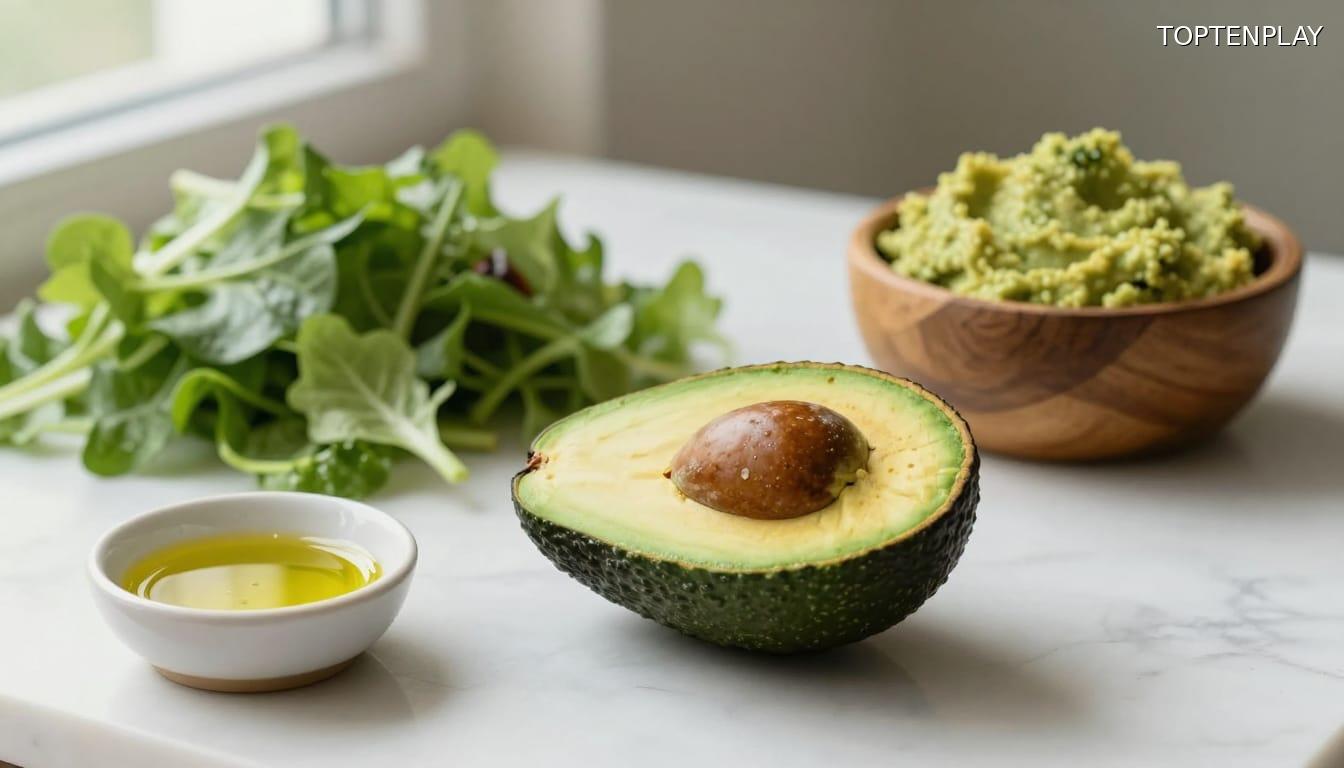
Avocado in Daily Life: How to Intelligently Integrate it into Your Diet
Since science rules in favor of the avocado, the real question becomes practical: how to get the best out of it without falling into excess?
The golden rule of nutritionists is simple: half to one avocado per day constitutes the ideal portion to benefit from its virtues without overloading caloric intake. This measurement corresponds to about 120-150 kcal, easily integrated into a balanced diet.
In the kitchen, uses are much more diverse than one might imagine. Homemade guacamole remains a classic, but specialists also recommend substituting butter or mayonnaise with mashed avocado in sandwiches and toast — thus reducing saturated fats without sacrificing creaminess. Sliced on a poached egg, incorporated into a protein smoothie, or crumbled over a legume salad, the avocado adapts to all meals.
Timing also matters. Consumed at lunch, it maximizes the satiating effect identified by randomized studies — limiting afternoon cravings. Added to dinner, its richness in fatty acids promotes the absorption of fat-soluble vitamins present in vegetables.
The most common mistake remains compensating for its benefits with high-calorie accompaniments: chips, industrial sauces, or white bread quickly cancel out the nutritional balance. The avocado fully reveals its potential when it is part of an overall healthy diet — and not as an isolated miracle cure.